English
 简体中文
简体中文
Fully Biodegradable Bags: Complete Guide to Applications, Materials & Selection for Apparel Packagin
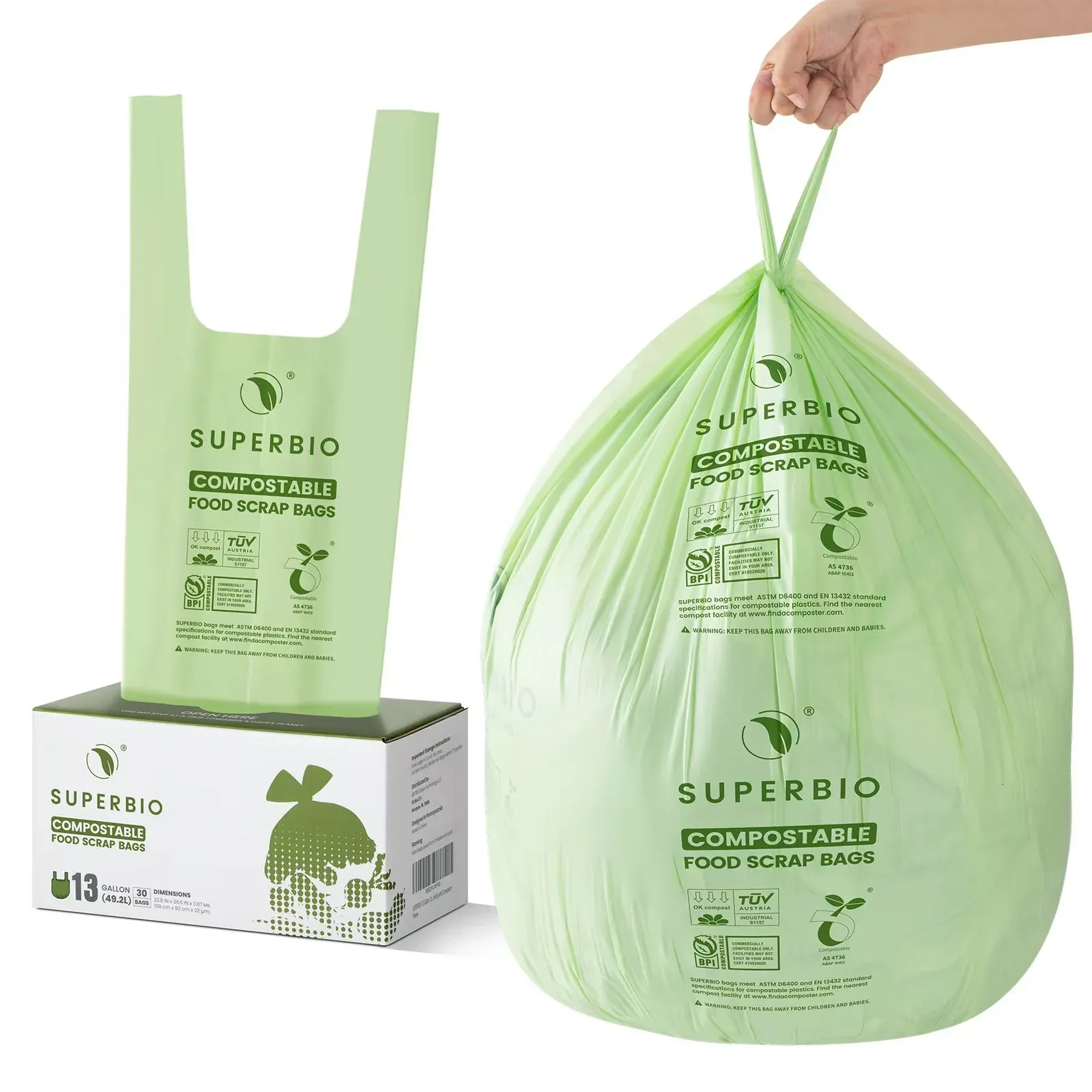
This guide reviews fully biodegradable bags for apparel and e-commerce, comparing PLA, PBAT, starch, and PHA. Key specs: tensile strength, elongation, compost time, shelf life (6–18 mo vs 24+). Covers applications, limitations (industrial composting), a 5‑step selection framework, and supplier checklist with certifications (ASTM D6400, EN 13432). Emphasizes matching material to use case and infrastructure.
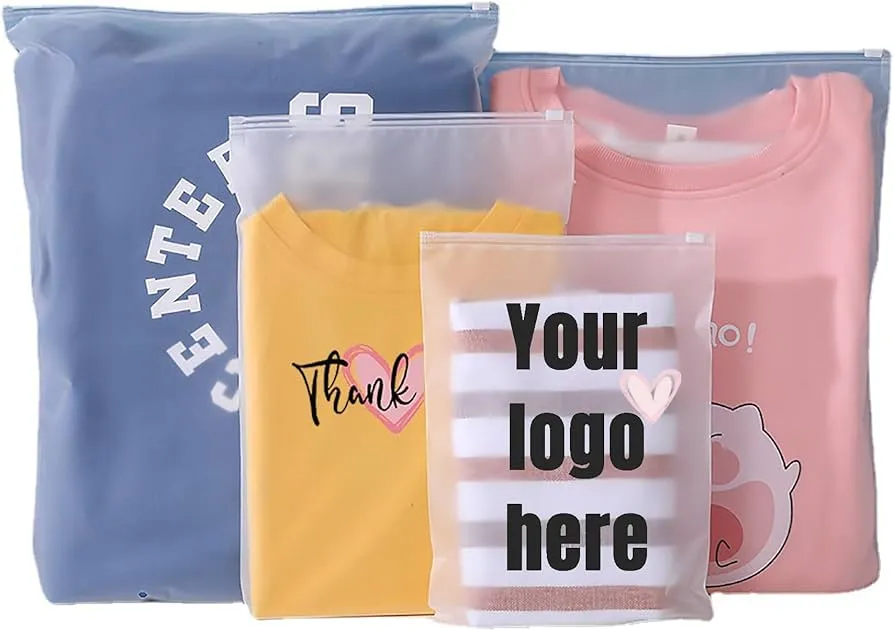
A science-based guide to plastic bag biodegradation for apparel businesses. Covers how biodegradation works step by step, material comparisons (PLA, PBAT, blends, D2W), technical specifications, certification standards (ASTM D6400, EN 13432, OK compost), common misconceptions, and a supplier evaluation checklist to help buyers avoid greenwashing.
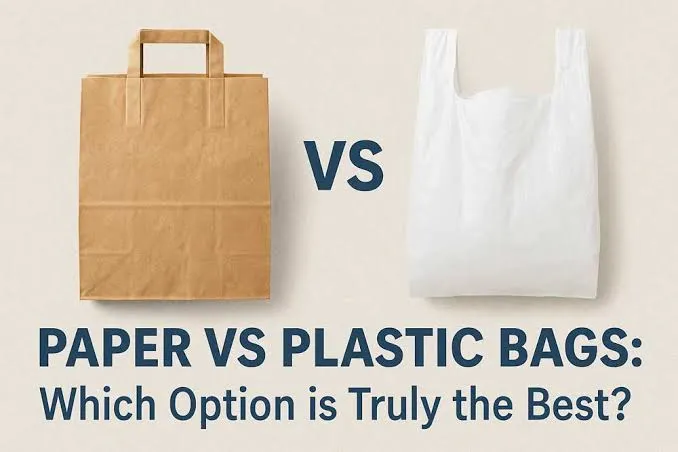
This B2B guide helps apparel brands decide between degradable fiber bags and PE plastic, driven by EU PPWR and retailer rules. It compares strength, moisture resistance, certifications (EN 13432, ASTM D6400), and TCO—fiber costs 2-5x more but avoids penalties. It offers a decision matrix for factory, DTC, luxury, and export, plus a supplier checklist. Ends with free consultation offer.
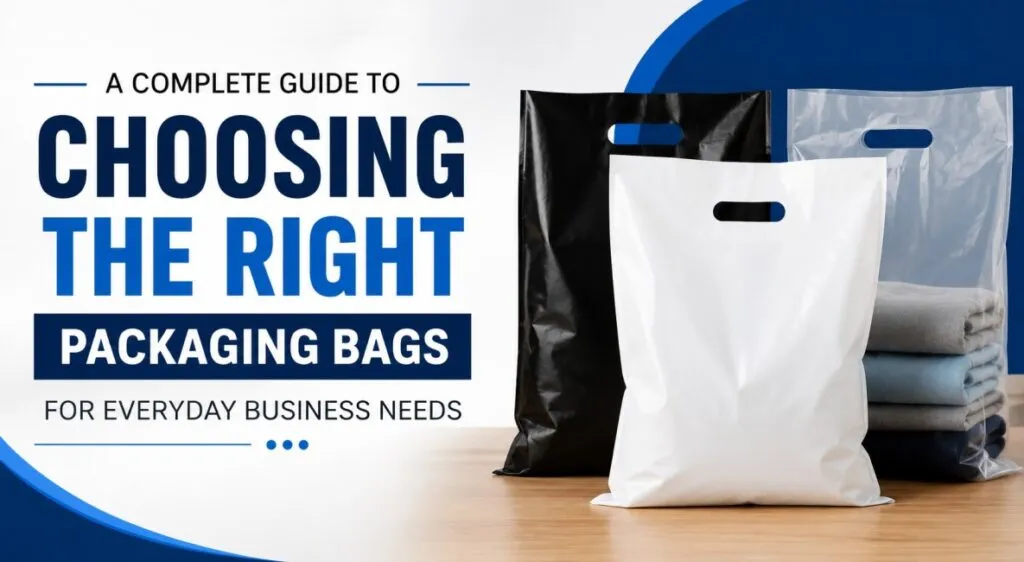
This comprehensive B2B guide assists apparel manufacturers, fashion brands, and retailers in selecting optimal clothing packaging bags. It covers PE, PP, recycled, and compostable materials, with thickness guidelines (0.025–0.08mm) and AQL quality control. It provides a framework for DTC, retail, and wholesale channels, plus supplier evaluation, cost analysis, and required certifications like ASTM D6400 and EN 13432. The guide ends with a free consultation offer.
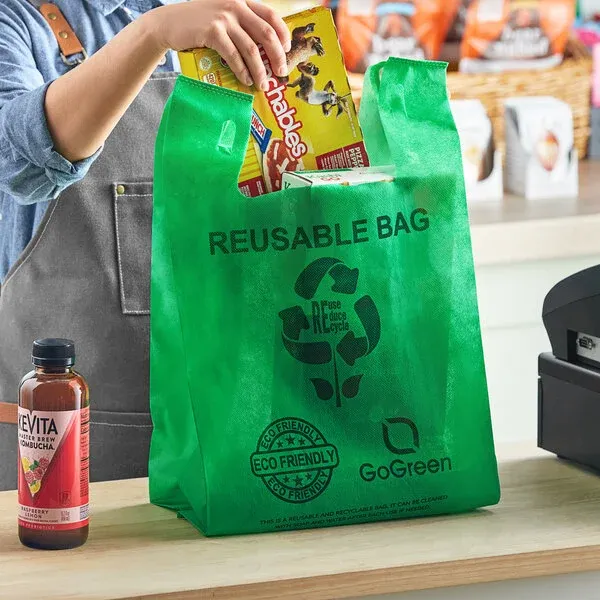
A comprehensive B2B guide to biodegradable non-woven bags for smart appliance packaging. Covers material options (PLA, viscose, PET blends), GSM selection by product type, anti-static considerations for electronics, customization and branding options, cost benchmarks, and a supplier evaluation checklist — all tailored for appliance and consumer electronics brands.
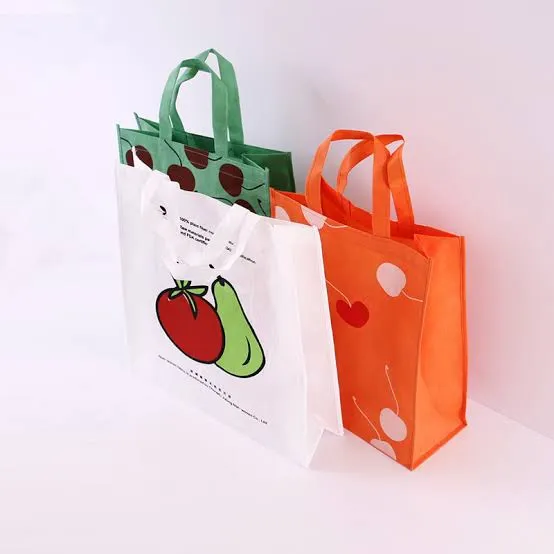
This B2B guide explains smart appliance brands' shift to biodegradable non-woven bags for packaging—enhancing protection, unboxing experience, and sustainability. It covers materials (PLA, viscose, PET), GSM selection (40–140 g/m²), anti-static options, and customization. Includes supplier checklist, cost benchmarks ($0.15–$1.20 vs $0.03–$0.08/unit), ROI analysis, and practical questions, ending with a free consultation offer.
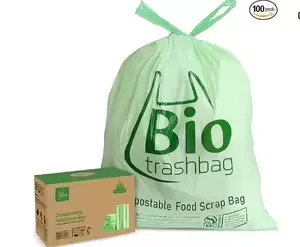
PBAT is a biodegradable polyester used in compostable bags to provide flexibility and toughness that PLA lacks. Blended with PLA, it balances stiffness and softness. PBAT requires industrial composting. Buyers should verify blend ratios, certifications, and sample performance. This guide aids B2B purchasing decisions.
As environmental concerns continue to rise, the use of biodegradable plastic bags is gaining momentum worldwide.