Ultimate Guide to Clothing Packaging Bags: Types, Materials & How to Choose the Right Supplier
This comprehensive guide covers every aspect of clothing packaging bags, including material types (PE, PP, recycled, compostable), technical specifications, manufacturing processes, custom printing options, and a step-by-step framework for selecting a reliable packaging supplier. Whether you are sourcing for bulk factory production or direct-to-consumer fulfillment, this guide provides actionable, data-driven insights.
Table of Contents
- 1. Why Packaging Matters: Protection, Efficiency & Branding
- 2. Comprehensive Types of Clothing Packaging Bags
- 3. Material Science: PE, PP, Recycled & Compostable Options
- 4. Manufacturing Process & Quality Control
- 5. How to Select the Perfect Packaging for Your Product & Channel
- 6. Frequently Asked Questions (FAQ)
Why Does Choosing the Right Clothing Packaging Bag Matter?
Packaging serves as the backbone of apparel logistics. From the factory floor to the customer's doorstep, garments undergo multiple handling stages: production, quality inspection, folding, warehousing, international shipping, and last-mile delivery. A well-engineered packaging solution balances five critical business outcomes:
- Product Protection: Prevents dust, moisture, abrasion, and physical damage during transit.
- Operational Efficiency: Standardized sizing and easy sealing speed up packing lines, reducing labor costs.
- Cost Control: Lightweight materials lower dimensional weight shipping fees.
- Customer Experience: Unboxing aesthetics drive brand perception, especially in DTC e-commerce.
- Sustainability Compliance: Meets retailer requirements (e.g., Walmart, Amazon) and consumer expectations for eco-friendly materials.
Protection Requirements Across the Supply Chain
| Risk Factor | Impact | Packaging Solution |
|---|---|---|
| Dust & Dirt | Contamination during storage | PE bags with sealed edges |
| Moisture/Humidity | Mold during ocean freight | Moisture-resistant film (≥0.03mm) |
| Physical Abrasion | Scratches on sensitive fabrics | Anti-scratch additive or thicker gauge |
| Inventory Management | Misplaced SKUs | Custom printing with barcode/designation |
Comprehensive Types of Clothing Packaging Bags
Different sales channels and garment categories demand specific packaging architectures. Below is a breakdown of the most common solutions used in the apparel industry today.
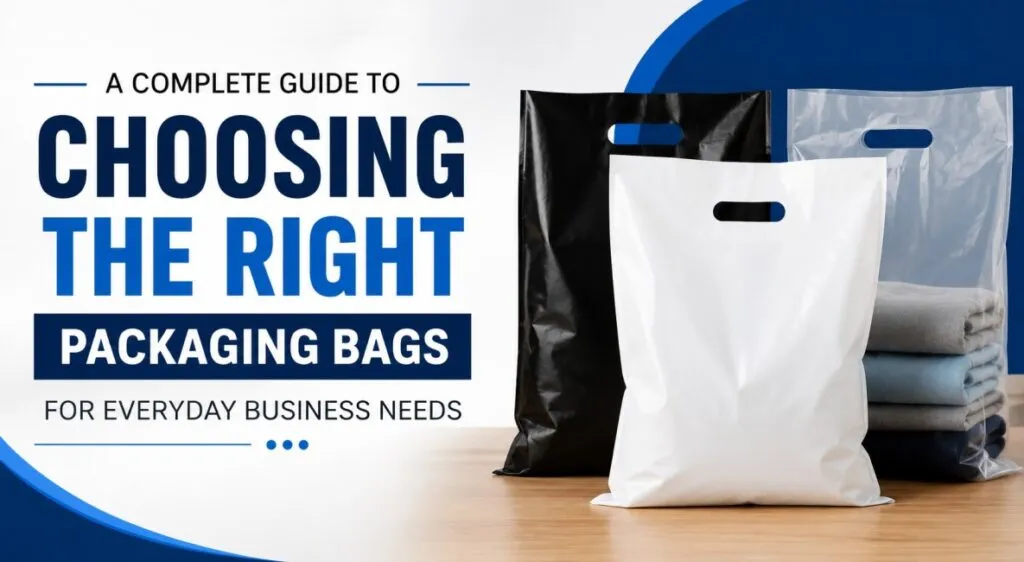
1. PE Poly Bags (Standard & Heavy-Duty)
Applications: T-shirts, jeans, hoodies, children's wear, and bulk factory packaging. These are the industry workhorse due to their low cost, lightweight nature, and moisture resistance. For heavier garments like denim, select a film thickness of 0.04mm to 0.06mm to prevent tearing during transit.
2. Self-Adhesive / Resealable Bags
Applications: E-commerce fulfillment and retail packaging. The integrated adhesive flap eliminates the need for heat sealers or tape, reducing packing time by approximately 30-40% compared to standard open bags. They provide a clean, professional finish ideal for individual customer orders.
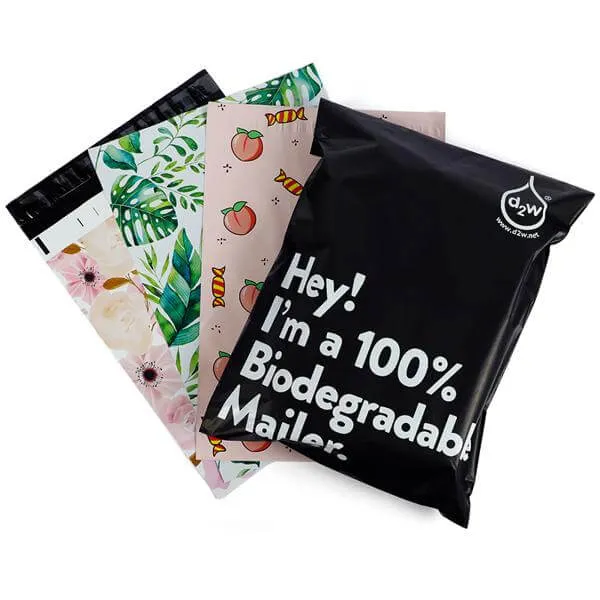
3. Poly Mailer Bags
Applications: Direct-to-consumer shipping. These are specifically engineered for parcel delivery. They are lightweight, water-resistant, and flexible, conforming to the garment shape to reduce dimensional weight surcharges compared to rigid cardboard boxes. Often feature a tamper-evident tear strip.
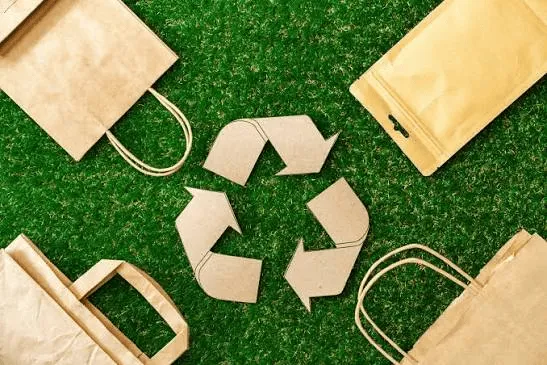
4. Biodegradable & Compostable Bags
Applications: Sustainable fashion brands and retailers requiring eco-compliance. These are made from bio-based materials or recycled PE. Critical Note: Ensure the material meets ASTM D6400 or EN 13432 standards for industrial compostability. Performance (durability and heat resistance) may vary; always test for your specific shipping conditions.
5. Zipper Bags & Reusable Garment Bags
Applications: Premium apparel, sample kits, and uniforms. The reusable zipper closure allows for long-term storage and repeated use, positioning the brand as high-value and quality-conscious.
6. Garment Covers with Hanger Openings
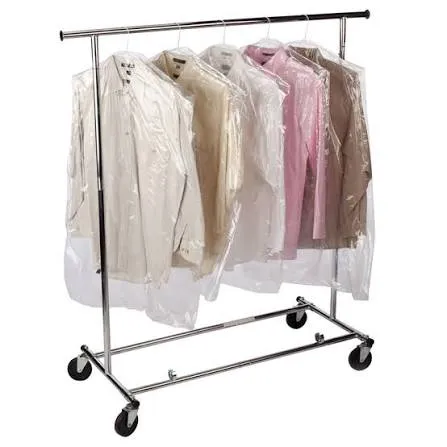
Applications: Suits, formal wear, wedding dresses, and luxury retail. They preserve the garment's shape, prevent wrinkling, and offer superior dust protection for high-ticket inventory.
Selection Matrix by Business Model
| Business Type | Primary Priority | Recommended Bag Type |
|---|---|---|
| Mass-Market Factory | Cost & Speed | Standard PE Poly Bags (Bulk) |
| Online DTC Brand | Shipping Efficiency & Unboxing | Self-Adhesive Bags / Poly Mailers |
| Luxury Fashion | Presentation & Protection | Garment Covers / Custom Printed Premium |
| Sustainable Label | Certifications & Materials | Recycled PE / Compostable Options |
Material Science: PE, PP, Recycled & Compostable Options
Material selection determines durability, clarity, environmental footprint, and cost. Below is a technical comparison of common packaging films.
| Material | Key Characteristics | Thickness Range (Typical) | Best Use Case |
|---|---|---|---|
| LDPE/PE (Polyethylene) | Flexible, moisture-resistant, cost-effective, excellent sealability | 0.025mm – 0.10mm | General garment packaging, high-volume production |
| PP (Polypropylene) | Higher clarity (glass-like), stiffer, better resistance to creasing | 0.03mm – 0.08mm | Retail display, shirts, premium presentation |
| Recycled PE (rPE) | Contains 30%-100% post-consumer waste. Slightly hazy, lower tensile strength | 0.03mm+ (needs higher gauge for strength) | Brands targeting circular economy compliance |
| Compostable (PLA/PBAT) | Bio-based, breaks down in industrial facilities. Heat-sensitive | 0.04mm+ | EU/North American eco-brands with clear disposal pathways |
Manufacturing Process & Quality Control
Understanding how packaging is made helps buyers evaluate supplier reliability and quality consistency. A reputable manufacturer follows a strict 5-step process:
- Film Extrusion: Raw resin pellets are melted and blown into continuous film rolls. The blow-up ratio and temperature control dictate mechanical strength and gauge uniformity (±0.003mm tolerance is standard).
- Printing (Flexo/Gravure/Digital): Flexographic printing is standard for high-volume orders (cost-effective); rotogravure offers superior color depth for complex logos; digital printing is ideal for short runs but has higher unit costs.
- Slitting & Sealing: Films are cut to width, folded, and heat-sealed using impulse or hot-bar sealers. Seal strength should be tested at ≥2.5 N/15mm to prevent failures during packing.
- Die-Cutting (Optional): Creating hanger holes, euro-slots, or tear strips.
- Quality Inspection: In-process checks for dimensions, opacity, printing registration, and seal integrity. Professional suppliers utilize AQL (Acceptable Quality Level) sampling standards (e.g., AQL 1.5) for final shipment inspection.
How to Select the Perfect Packaging for Your Product & Channel
Choosing the correct bag involves analyzing three core dimensions: Garment Physics, Logistics Environment, and Brand Strategy.
Decision-Making Framework
- Garment Type: Heavy jeans require thicker gauges (≥0.05mm); delicate silk requires anti-static or smooth interior liners.
- Sales Channel: E-commerce demands durability against courier handling; retail requires shelf-appeal and clarity.
- Shipping Distance: Long-haul ocean freight requires moisture-barrier additives; domestic ground shipping allows lighter materials.
- Sustainability Goals: Determine if you need PCR (Post-Consumer Recycled) content or industrially compostable materials—and verify disposal infrastructure in your target markets.
For example, a manufacturer shipping 50,000 basic tees to a US retailer might select a 0.03mm clear PE bag with a printed barcode. In contrast, a luxury brand selling $500 dresses online might use a custom-printed garment cover with a ribbon pull-tab to justify the premium price point.
Frequently Asked Questions (FAQ)
What is the most common packaging bag for clothing?
PE (Polyethylene) poly bags are the industry standard due to their optimal balance of cost, protection, and scalability.
What thickness (gauge) of poly bag do I need for jeans vs. t-shirts?
For lightweight T-shirts, 0.025mm – 0.03mm is sufficient. For heavy denim or jackets, use 0.05mm – 0.08mm to prevent puncture and tearing during warehouse handling.
Are biodegradable clothing bags good for international shipping?
Yes, but verify the material's durability for long transit times. Compostable materials can be brittle in cold weather. Always run a real-world shipping test. Ensure the bag has the correct certifications for your destination country (e.g., EN 13432 for Europe).
How do I verify a supplier's quality control?
Request a Quality Control Plan detailing in-process checks and final random sampling (e.g., MIL-STD-105E). Ask for videos of the production line or hire a third-party inspection agency (e.g., SGS, Bureau Veritas) for the shipment.
Conclusion: Packaging as a Strategic Asset
Selecting the right clothing packaging bag is far more than a procurement exercise—it is a strategic decision that impacts your brand equity, operational efficiency, and environmental compliance. By understanding the specific material science (PE, PP, recycled, compostable), matching the bag type to your sales channel (bulk, retail, or e-commerce), and rigorously evaluating suppliers on technical capabilities and quality systems, apparel businesses can unlock significant competitive advantages.
Start by requesting samples from multiple suppliers, conduct drop and seal-strength tests, and calculate the total cost per package (including labor savings). A data-driven approach ensures your packaging protects your products, delights your customers, and optimizes your bottom line.
Ready to Source High-Quality Clothing Packaging?
Contact a verified packaging specialist today to discuss your custom specifications, request material samples, and receive a competitive quote tailored to your production volume.
Degradable Fiber vs Plastic Bags: A B2B Apparel Guide
Sustainable Non-Woven Bags: A Buyer's Guide for Appliances
Related Article