Biodegradable Non-Woven Bags for Smart Appliance Packaging: A Complete B2B Guide
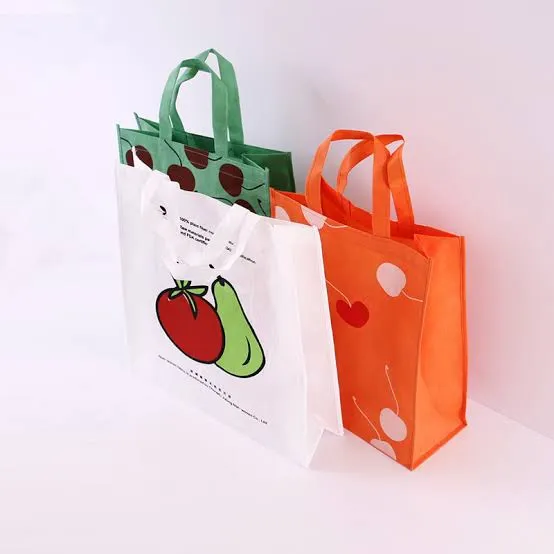
Biodegradable non-woven bags are emerging as a compelling alternative to traditional plastic film packaging. They offer soft surface protection, a premium textile feel, customizable branding, and a more sustainable end-of-life profile — all while protecting high-value electronics during storage, handling, and transport.
This guide explains everything B2B buyers need to know: what non-woven bags are, why smart appliance brands are adopting them, how to choose the right GSM and material, and how to evaluate suppliers for quality and reliability.
Table of Contents
- 1. What Are Biodegradable Non-Woven Bags?
- 2. Why Smart Appliance Brands Are Switching
- 3. Key Benefits: Protection, Presentation & Sustainability
- 4. Materials Used in Biodegradable Non-Woven Bags
- 5. GSM Selection Guide for Appliance Packaging
- 6. Special Considerations for Electronics Packaging
- 7. Customization & Branding Options
- 8. Supplier Evaluation Checklist
- 9. Cost Considerations & ROI
- 10. Frequently Asked Questions
What Are Biodegradable Non-Woven Bags?
Non-woven fabrics are engineered materials created by bonding fibers together without weaving or knitting. The process typically involves fiber preparation, web formation, and bonding — resulting in a fabric-like sheet that is lightweight, flexible, and breathable.
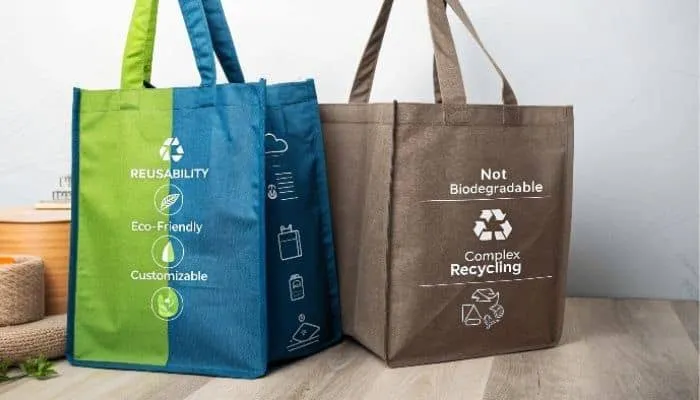
Biodegradable non-woven bags are made from plant-based or biodegradable polymer fibers designed to reduce environmental impact at the end of their useful life. Common materials include PLA (polylactic acid), viscose, and other compostable fiber blends.
Why Smart Appliance Brands Are Switching
1. Consumer Demand for Sustainable Packaging
Today's consumers expect brands to take environmental responsibility seriously. Packaging is a visible part of that commitment. Brands that switch to biodegradable non-woven bags signal that they care about more than just product performance.
2. The Unboxing Experience Matters
For premium appliances, packaging is often the first physical interaction a customer has with a brand. A soft, fabric-like bag creates a more refined, memorable unboxing experience compared to a standard plastic film bag.
3. Product Protection Without Compromise
Non-woven bags provide excellent surface protection — reducing scratches, dust accumulation, and handling marks on glossy surfaces, decorative panels, and sensitive electronic components.
4. Brand Differentiation in a Competitive Market
In crowded appliance categories, packaging can be a competitive differentiator. A well-designed non-woven bag with custom branding elevates the product's perceived value and reinforces brand identity.
Key Benefits: Protection, Presentation & Sustainability
| Benefit | How Non-Woven Delivers | Why It Matters for Appliances |
|---|---|---|
| Surface Protection | Soft fiber structure prevents scratches and friction marks | Protects glossy finishes and sensitive panels |
| Dust Protection | Fabric structure traps dust while allowing breathability | Keeps products clean during storage and handling |
| Premium Presentation | Textile-like feel conveys quality and care | Enhances brand perception and unboxing experience |
| Reusability | Durable enough for secondary storage use | Extends brand exposure beyond initial purchase |
| Custom Branding | Logos, colors, and designs can be printed directly | Strengthens brand recognition and differentiation |
| Sustainability | Made from biodegradable or compostable materials | Supports corporate ESG goals and customer expectations |
Materials Used in Biodegradable Non-Woven Bags
| Material | Source | Key Characteristics | Biodegradability | Best For |
|---|---|---|---|---|
| PLA (Polylactic Acid) | Corn, sugarcane (renewable) | Soft, good appearance, moderate strength | Industrial compost (EN 13432) | Premium sustainable packaging |
| Viscose / Rayon | Wood pulp (renewable) | Excellent softness, natural feel | Biodegradable in suitable conditions | Soft-touch, skin-contact packaging |
| PET (Polyester) | Fossil-based | High strength, excellent durability | Not biodegradable | Heavy-duty, reusable applications |
| Mixed Fiber | Varies (renewable + fossil) | Balanced performance and cost | Partial (depends on blend) | Cost-sensitive balanced packaging |
GSM Selection Guide for Appliance Packaging
GSM (grams per square meter) measures the weight and density of non-woven fabric. Higher GSM generally means thicker, stronger, and more durable material — but also higher cost. Choosing the right GSM is critical for balancing protection and budget.
Recommended GSM by Appliance Type
| Product Category | Recommended GSM | Why |
|---|---|---|
| Small electronics (chargers, cables, adapters) | 40 – 60 g/m² | Light protection, cost-sensitive |
| Personal care devices (hair dryers, trimmers) | 60 – 80 g/m² | Balance of protection and feel |
| Mid-size appliances (robot vacuums, coffee machines) | 80 – 100 g/m² | Adequate strength, scratch prevention |
| Large / heavy equipment (vacuum cleaners, purifiers) | 100 – 140 g/m² | Maximum durability and protection |
Note: Each 10 g/m² increase typically adds 8-12% to material cost while improving tear resistance by 15-25%.
Special Considerations for Electronics Packaging
Smart appliances contain sensitive electronic components. Packaging must address risks beyond surface scratches.
| Requirement | Why It Matters | Packaging Solution |
|---|---|---|
| Anti-static properties | Electrostatic discharge (ESD) can damage sensitive electronics | Use anti-static non-woven fabrics or add conductive fibers |
| Scratch resistance | High-gloss surfaces are prone to visible marks | Choose soft, smooth fibers with controlled friction |
| Heat resistance | Devices may be warm during packaging | Verify material heat resistance (typically >80°C for PLA blends) |
| Moisture management | Condensation can damage electronics | Consider breathable structures or add moisture barrier layers |
Customization & Branding Options
| Customization Option | Description | Best For |
|---|---|---|
| Screen Printing | Single or limited colors; cost-effective for large volumes | Logo and simple brand messaging |
| Heat Transfer Printing | Full-color, photographic quality | Complex designs and premium branding |
| Digital Printing | Short runs, variable data, full color | Limited editions and sample orders |
| Handle Options | Die-cut handles, sewn handles, or no handles | Retail presentation and ease of carrying |
| Color Matching | Custom brand colors | Brand consistency and recognition |
Ready to Upgrade Your Appliance Packaging?
Our technical team can help you select the optimal non-woven material, GSM, and customization options for your smart appliance brand. Free consultation and sample evaluation available.
Request a Packaging Consultation →💬 Response within 2-4 hours. B2B technical support.
10 Questions to Ask Your Non-Woven Bag Supplier
- What is the material composition of your non-woven fabric?
- What GSM range do you offer? What tolerance can you guarantee?
- Do you offer anti-static options for electronics packaging?
- What printing methods do you support? What is your color matching process?
- Can you provide tear strength, tensile strength, and abrasion test data?
- What biodegradability certifications do your materials hold?
- What is your typical lead time for custom orders?
- What is your minimum order quantity (MOQ)?
- Can you provide samples for product testing?
- Do you have experience with appliance industry packaging requirements?
Cost Considerations & ROI
Biodegradable non-woven bags typically cost 3 to 15 times more than standard PE film bags, depending on GSM, material type, customization, and order volume. However, the investment can deliver significant returns.
| Cost Factor | Impact on Investment | Potential ROI |
|---|---|---|
| Material & GSM | Higher GSM and PLA/viscose materials increase cost | Better protection reduces damage claims |
| Custom Printing | Adds 10-40% to unit cost | Strengthens brand recognition and perceived value |
| Brand Perception | Premium packaging supports premium pricing | Can justify 5-10% price premium in competitive markets |
| Customer Experience | Unboxing satisfaction drives reviews and repeat purchases | Higher NPS scores and customer lifetime value |
| Sustainability Claims | Verifiable claims support ESG reporting | Retailer partnerships and regulatory compliance |
- PE film bag (standard): $0.03 – $0.08 / unit
- Non-woven bag (60 GSM, no print): $0.15 – $0.35 / unit
- Non-woven bag (80 GSM, custom print): $0.40 – $0.80 / unit
- Non-woven bag (100 GSM, custom print, handles): $0.60 – $1.20 / unit
Prices vary significantly by volume, region, and specifications. Request a quote with your exact requirements.
Frequently Asked Questions
Are biodegradable non-woven bags suitable for smart appliance packaging?
Yes. They provide soft surface protection, dust prevention, and a premium presentation that enhances the unboxing experience — especially valuable for high-value electronics and smart home devices.
Are non-woven bags better than plastic bags for appliance packaging?
It depends on your priorities. Non-woven bags offer better surface protection, premium feel, and stronger sustainability positioning. Plastic film bags generally provide superior moisture barrier and lower cost.
Can biodegradable non-woven bags be customized?
Yes. Customization options include logos, brand colors, handle designs, sizes, and printing methods (screen, heat transfer, or digital).
What GSM is suitable for appliance packaging bags?
Typical recommendations: 40-60 g/m² for small accessories, 60-80 g/m² for personal care devices, 80-100 g/m² for mid-size appliances, and 100-140 g/m² for large or heavy equipment.
Are biodegradable non-woven bags environmentally friendly?
Their environmental performance depends on material composition, certification, and disposal infrastructure. PLA and viscose-based bags can be composted in industrial facilities, but may not degrade in landfills. Always verify with third-party certification.
Do non-woven bags offer anti-static protection?
Yes, but it's not automatic. Standard non-woven fabrics can generate static electricity. For electronics packaging, specifically request anti-static non-woven materials with verified surface resistivity data.
What is the typical shelf life of biodegradable non-woven bags?
It depends on the material. PLA-based non-wovens typically have a shelf life of 6-18 months under proper storage conditions (cool, dry, away from UV). PET-based non-wovens can last much longer but are not biodegradable.
Conclusion: Packaging as a Brand Asset
Biodegradable non-woven bags represent a meaningful evolution in appliance packaging — moving from mere protection to brand experience and environmental responsibility. For smart appliance brands competing on quality, design, and sustainability, packaging is no longer an afterthought.
The right non-woven bag protects high-value surfaces, elevates the unboxing experience, communicates brand values, and supports sustainability goals — all while differentiating your product in a crowded market.
The key to success lies in selecting the right GSM and material, verifying supplier capability, and designing packaging that truly reflects your brand. By using the frameworks, checklists, and question guides in this article, appliance brands can make confident, informed packaging decisions.
Ready to Explore Non-Woven Packaging for Your Appliance Brand?
Talk to our packaging specialists for a free material consultation — including GSM recommendations, anti-static options, customization guidance, and sample evaluation.
Sustainable Non-Woven Bags: A Buyer's Guide for Appliances
Why Is PBAT Added to Biodegradable Bags? Understanding Its Role in Sustainable Packaging
Related Article