Fully Biodegradable Bags: Complete Guide to Applications, Materials & Selection for Apparel Packagin
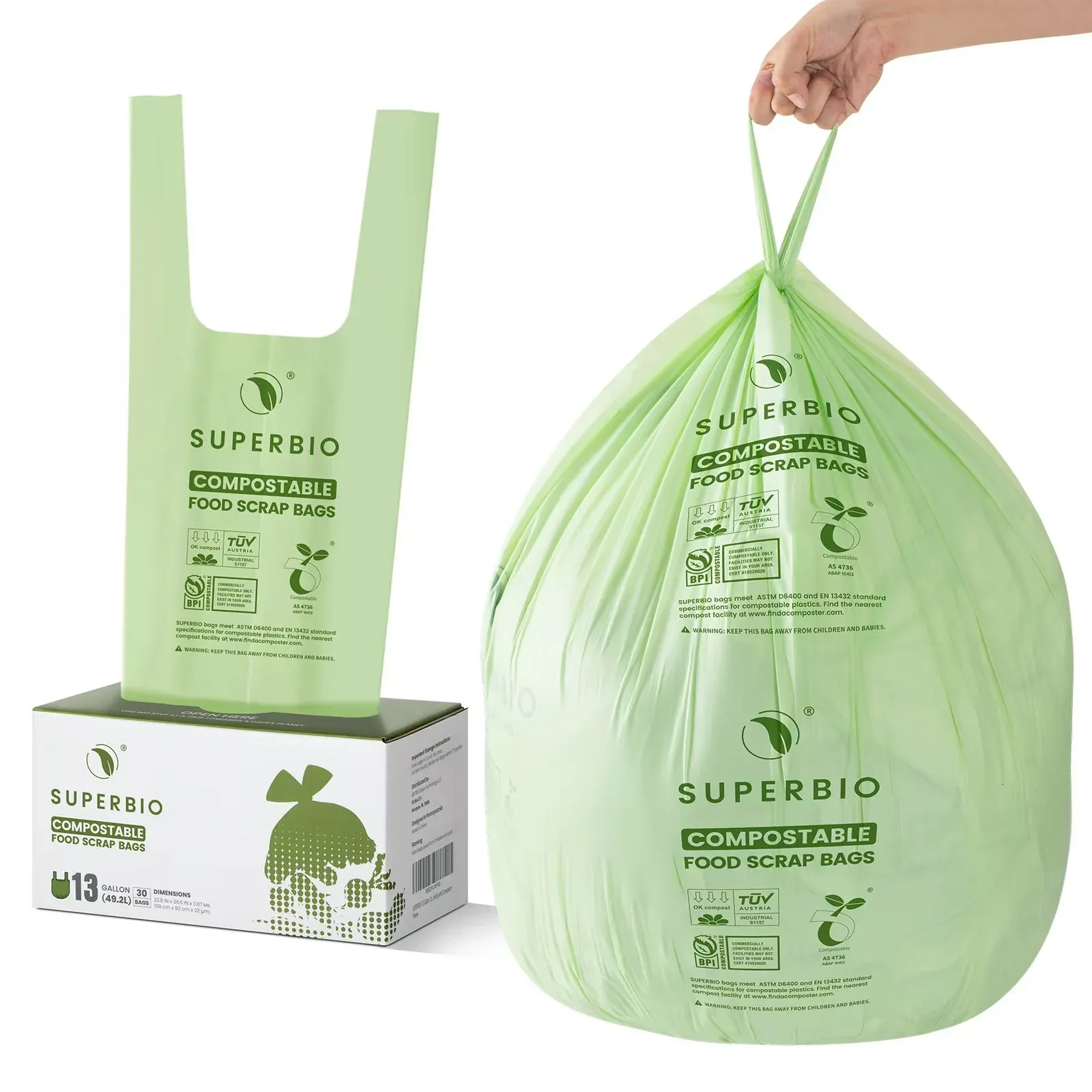
But knowing that "biodegradable bags exist" is not enough. Professional buyers need to understand which applications they serve, which materials perform best for which use cases, and how to select a reliable supplier — all while balancing cost, protection, and sustainability goals.
This guide provides a practical, application-focused overview of fully biodegradable bags, with material comparisons, technical specifications, industry use cases, and a step-by-step selection framework for B2B apparel buyers.
Table of Contents
- 1. What Are Fully Biodegradable Bags?
- 2. Key Materials Compared: PLA, PBAT, Starch-Based, PHA
- 3. Technical Specifications & Performance Data
- 4. Why Businesses Are Switching to Biodegradable Bags
- 5. Applications Across Industries: Apparel, E-Commerce, Retail, Agriculture
- 6. Limitations & Real-World Considerations
- 7. How to Choose the Right Biodegradable Bag for Your Business
- 8. Supplier Selection Checklist & Red Flags
- 9. Manufacturing Process Overview
- 10. Frequently Asked Questions
What Are Fully Biodegradable Bags?
Fully biodegradable bags are packaging products designed to break down through biological processes — microorganisms convert the material into natural substances such as carbon dioxide, water, and biomass — under suitable environmental conditions.
However, not all "biodegradable" bags behave the same way. Performance depends heavily on material composition, temperature, moisture, microbial activity, and the disposal environment. A bag that biodegrades effectively in an industrial composting facility may not degrade in a landfill or backyard compost.
Key Materials Compared: PLA, PBAT, Starch-Based, PHA
Different biodegradable materials offer distinct performance profiles. The right choice depends on your application, product weight, shipping conditions, and sustainability goals.
| Material | Source | Key Characteristics | Typical Applications | Apparel Packaging Suitability |
|---|---|---|---|---|
| PLA | Corn, sugarcane (bio-based) | Rigid, clear, good printability, moderate flexibility | Clear packaging, retail bags | Moderate — best for lightweight, short-shelf-life items |
| PBAT | Fossil-based or partially bio-based | Highly flexible, tough, excellent sealability | Flexible films, bags, blends | Good — suitable for flexible garment bags |
| PLA/PBAT Blend | Mixed (bio + fossil) | Balanced rigidity and flexibility, good overall performance | Apparel packaging, general-purpose bags | Excellent — recommended for most garment packaging |
| Starch-Based | Corn, potato, plant starches | Natural appearance, cost-effective, moderate strength | Short-life packaging, retail, promotional bags | Moderate — best for low-weight, short-duration applications |
| PHA | Microbial fermentation (bio-based) | Excellent biodegradability (including marine), limited availability | Premium sustainable packaging, niche applications | Good but expensive and supply-constrained — not yet scalable for most brands |
Technical Specifications & Performance Data
For B2B buyers, material names alone are insufficient. Here are the key technical parameters to evaluate when comparing biodegradable bag options.
| Parameter | PLA | PBAT | PLA/PBAT (70/30) | Starch-Based | LDPE (Reference) |
|---|---|---|---|---|---|
| Tensile Strength (MPa) | 40-60 | 20-35 | 30-45 | 10-25 | 10-25 |
| Elongation at Break (%) | 3-6 | >500 | 100-300 | 20-80 | >300 |
| Industrial Compost Time (days) | 45-90 | 60-120 | 60-90 | 30-60 | Not biodegradable |
| Shelf Life (typical) | 6-12 months | 12-18 months | 9-15 months | 6-12 months | >24 months |
| Recommended Storage | Cool, dry (<60% RH) | Cool, dry (<65% RH) | Cool, dry (<65% RH) | Cool, dry (<60% RH) | Standard conditions |
| Relative Cost (vs LDPE) | 2.5-4.0× | 2.0-3.5× | 3.0-5.0× | 2.0-3.5× | 1.0× (baseline) |
Biodegradable materials have significantly shorter shelf lives than PE. Storing bags in high temperature or humidity conditions can trigger premature degradation before the bag reaches your customer. Always confirm shelf life with your supplier and use FIFO inventory rotation.
Why Businesses Are Switching to Biodegradable Bags
The shift toward biodegradable packaging is driven by a combination of regulatory, commercial, and brand factors.
Regulatory Pressure
- EU PPWR: Requires all packaging to be "recyclable" by design by 2030
- China: "14th Five-Year Plan" plastic pollution action plan promotes alternative materials
- US state regulations: California and other states are passing extended producer responsibility (EPR) laws
Retailer Requirements
- Major retailers (Amazon, Walmart, Target) increasingly require suppliers to provide sustainable packaging options
- Brands without sustainable packaging strategies risk losing retail partnerships
Consumer Expectations
- Especially in DTC fashion, packaging is the first physical brand touchpoint
- Sustainable packaging can improve brand perception, loyalty, and NPS scores
Applications Across Industries: Apparel, E-Commerce, Retail & Agriculture
Apparel & Garment Packaging
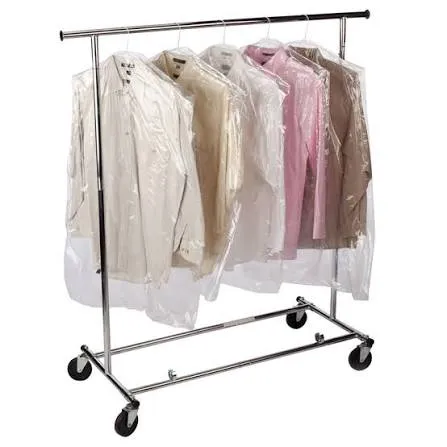
Biodegradable bags are used for individual garment packaging, custom printed brand bags, and sustainable e-commerce mailers. PLA/PBAT blends are most commonly recommended for their balance of flexibility, strength, and printability.
E-Commerce Shipping
Biodegradable mailers must provide tear resistance, moisture protection, and lightweight shipping. PBAT-rich formulations are often preferred for their flexibility and durability.
Retail & Shopping Bags
Retail brands often prioritize appearance, print quality, and brand messaging. PLA offers good clarity and print surface, while starch-based bags provide a natural "eco" aesthetic.
Agriculture & Horticulture
Compostable planting bags and agricultural films are key applications. Starch-based or PHA materials are often chosen for their controlled degradation profile.
Application & Material Selection Matrix
| Business Type | Primary Priority | Recommended Material | Key Consideration |
|---|---|---|---|
| Apparel Manufacturer (Bulk) | Cost + reliability | PLA/PBAT blend | Ensure supplier can meet high-volume consistency |
| Sustainable Fashion Brand | Certification + branding | Certified compostable PLA/PBAT | Verify EN 13432 or ASTM D6400 certification |
| E-Commerce DTC | Shipping protection + lightweight | PBAT-rich or starch-based mailers | Test tear resistance under real shipping conditions |
| Premium Retail | Appearance + customer experience | Custom-printed PLA | Print quality and surface finish are critical |
| Agriculture | Controlled degradation + cost | Starch-based or PHA | Match degradation timeline to crop cycle |
Limitations & Real-World Considerations
Biodegradable bags offer sustainability advantages, but they are not a universal replacement for all traditional plastic packaging. Professional buyers must understand the following limitations.
5 Critical Realities of Biodegradable Packaging
- "Biodegradable" requires the right conditions. Most bags need industrial composting (55-60°C, controlled humidity). In landfills or natural environments, they may degrade very slowly or not at all.
- Biodegradable ≠ zero environmental impact. Full lifecycle — raw materials, manufacturing, transport, and disposal — must be considered.
- Shelf life is a real cost. 6-18 months vs 24+ months for PE. This affects inventory management and supply chain planning.
- Infrastructure matters. The environmental benefit depends on available industrial composting facilities in your target market. Without them, bags may still go to landfill or incineration.
- Recycling compatibility. Biodegradable bags contaminating PE recycling streams can reduce the quality of recycled material. Clear labeling and consumer education are essential.
How to Choose the Right Biodegradable Bag for Your Business
Selecting the correct biodegradable bag requires a structured approach. Here is a 5-step decision framework for apparel buyers.
Step 1 — Define Your Packaging Requirements
- What garment types? Weight? Size?
- How long will packaging be stored? What are the shipping routes?
- What protection level is needed (moisture, tear, puncture)?
Step 2 — Determine Your Sustainability Goals
- Is the goal reducing fossil-based plastic? Supporting compostability claims? Meeting retailer requirements?
- Target market: Does your region have industrial composting infrastructure?
Step 3 — Match Material to Application
- Use the application/matrix above to identify candidate materials
- Shortlist 2-3 material options for further evaluation
Step 4 — Test Samples Under Real Conditions
- Laboratory tests: seal strength, tensile strength, thickness
- Real-world shipping tests (simulate actual routes and climates)
- Production line tests: check compatibility with automatic packaging equipment
Step 5 — Evaluate Suppliers
- Use the Supplier Selection Checklist below
- Request certifications, samples, and production capability documentation
Need Help Selecting the Right Biodegradable Bag for Your Apparel Brand?
Get a free material recommendation based on your product type, shipping routes, and sustainability goals — including sample testing and certification guidance.
Request Your Free Sample Kit & Consultation →💬 Response within 2-4 hours. Technical support for B2B buyers.
Supplier Selection Checklist & Red Flags
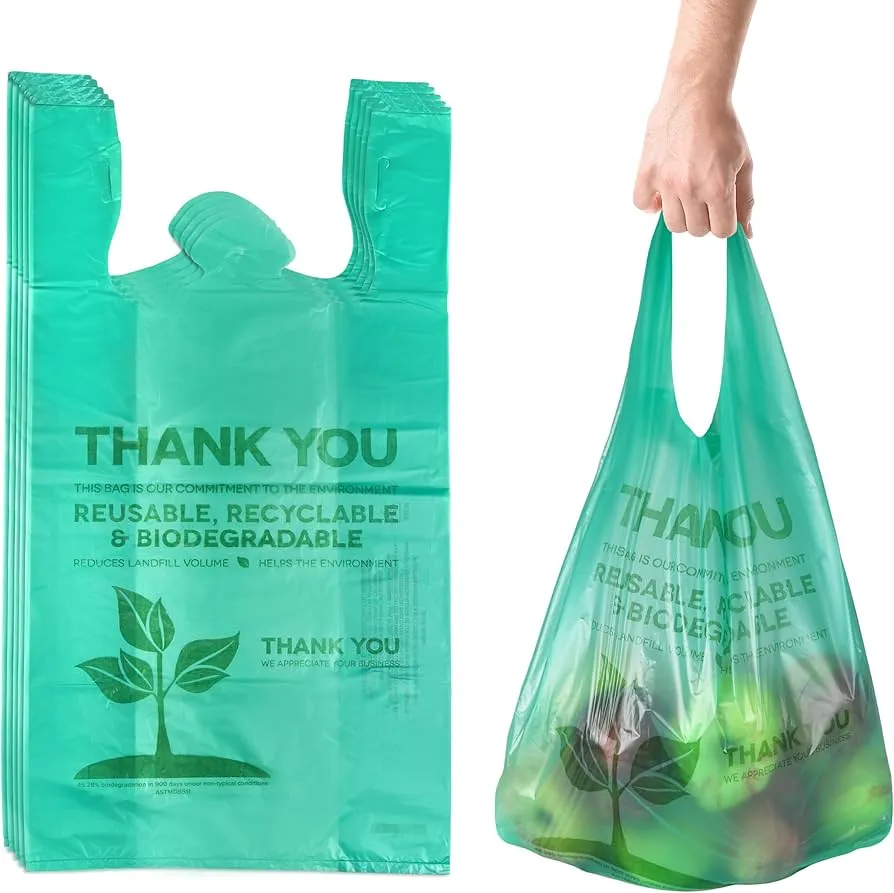
Use this checklist to evaluate potential biodegradable packaging suppliers and protect your business from substandard products or misleading claims.
- Material transparency — Supplier provides specific material composition (PLA %, PBAT %, additives) with TDS and MSDS.
- Third-party certification — Valid, in-date certifications (ASTM D6400, EN 13432, BPI, OK compost) from recognized bodies.
- Shelf life & storage guidance — Clear recommendations for storage conditions (temp, humidity) and maximum shelf life.
- Production capability — Equipment and capacity to meet your volume requirements consistently.
- Quality control — In-process and final inspection procedures; ability to provide test reports.
- Equipment compatibility — Experience with automatic packaging machinery and ability to advise on seal temperature adjustments.
- Sample policy — Pre-production samples available for testing before mass production.
- Export experience — For international buyers, supplier understands documentation, customs, and international standards.
Red Flags to Avoid
- ❌ Supplier cannot provide third-party certification — only self-declared "eco" claims
- ❌ Unclear material composition — "proprietary blend" without disclosure
- ❌ No shelf life or storage guidance — suggests inexperience with biodegradable materials
- ❌ Unwilling to provide samples — major quality risk
- ❌ Claims "biodegrades anywhere" — contradicts material science and suggests greenwashing
Manufacturing Process Overview
Understanding how biodegradable bags are produced helps buyers evaluate supplier capability and quality consistency.
Material Selection & Preparation
Raw materials (PLA, PBAT, starch-based resins, or blends) are selected based on the required performance specifications — strength, flexibility, thickness, and degradation profile.
Film Extrusion
Resin pellets are melted and blown into continuous film. Critical factors include temperature control (biodegradable materials have narrower processing windows than PE), thickness consistency, and film uniformity.
Printing (Flexo, Gravure, or Digital)
Custom branding, logos, and sustainability messaging are applied. Biodegradable materials may require water-based or bio-based inks to maintain compostability claims.
Bag Forming, Sealing & Inspection
Films are cut, folded, heat-sealed, and inspected. Heat seal temperature control is especially critical for biodegradable materials — the window is typically ±5°C compared to ±15°C for PE.
Frequently Asked Questions (FAQ)
What industries use fully biodegradable bags?
Key industries include apparel, e-commerce, retail, agriculture, hospitality, and consumer goods. The suitable material depends on the application — garment packaging, shipping mailers, shopping bags, or agricultural films each have different performance requirements.
Are fully biodegradable bags strong enough for clothing packaging?
Yes — when properly formulated. PLA/PBAT blends offer an excellent balance of strength and flexibility for garment packaging. However, performance depends on material selection, thickness, and manufacturing quality. Always test samples under your actual shipping conditions.
Are biodegradable bags more expensive than plastic bags?
Generally yes. Biodegradable bags typically cost 2-5 times more than traditional PE bags at equivalent thickness. However, the total cost should consider brand value, compliance, and customer perception — not just unit price.
Do fully biodegradable bags completely disappear after disposal?
Not always. Biodegradation depends on material composition, environmental conditions, and the disposal system. Most biodegradable bags require industrial composting conditions (55-60°C, controlled humidity) to break down effectively. They may not degrade in landfills or natural environments.
Can biodegradable bags be customized with logos?
Yes. Most biodegradable bags support logo printing, custom colors, and product information. However, printing may require water-based or bio-based inks to maintain compostability. Confirm printing compatibility with your supplier.
What certifications should biodegradable packaging have?
Key certifications include ASTM D6400 (USA, industrial compost), EN 13432 (Europe, industrial compost), OK compost HOME (Europe, home compost), and BPI (USA verification). Always verify certification covers the specific claim being made.
What is the shelf life of biodegradable bags?
Typical shelf life ranges from 6 to 18 months depending on material composition and storage conditions — significantly shorter than PE (24+ months). Store in cool, dry conditions (<60-65% RH) and use FIFO inventory rotation to avoid material degradation.
Conclusion: Making a Credible, Application-Driven Decision
Fully biodegradable bags offer apparel businesses a viable alternative to traditional plastic packaging — but only when selected for the right application, verified with third-party certifications, and sourced from a capable supplier.
The decision is not simply "biodegradable vs plastic." It requires understanding material performance, supply chain conditions, storage constraints, disposal infrastructure, and total cost of ownership.
For high-volume, cost-sensitive applications with long shipping routes, traditional PE may still be the most practical choice. For brands with clear sustainability strategies, access to appropriate disposal infrastructure, and the willingness to invest in verified materials, biodegradable bags can deliver both environmental and brand value.
By following the 5-step selection framework, using the supplier checklist, and testing samples under real-world conditions, apparel buyers can make packaging decisions that are both environmentally responsible and operationally sound.
Ready to Explore Biodegradable Packaging for Your Brand?
Talk to our packaging specialists for a tailored material recommendation based on your product type, shipping routes, and sustainability goals — including sample testing and certification guidance.
Multilayer Co-extrusion Technology: A Complete Guide for Apparel Packaging Buyers
How Plastic Bags Biodegrade: A Science Guide for Apparel Packaging Buyers
Related Article