English
 简体中文
简体中文


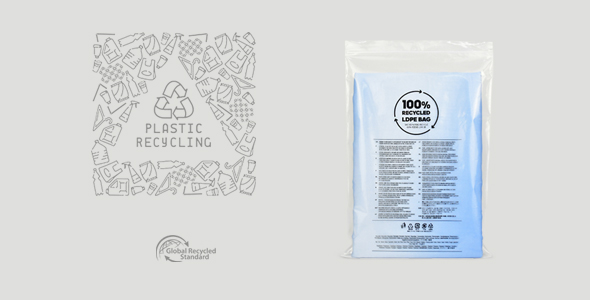
The objectives of the GRS are:
· Track and trace Recycled input materials.
· Provide customers (both brands and consumers) with a tool to make informed decisions.
· Reduce harmful impact of production to people and the environment.
· Provide assurance that materials in the final product are actually Recycled and processed more sustainably.
· Drive innovation in addressing quality issues in the use of Recycled materials.
The Global Recycled Standard is intended for use with any product that contains at least 20% Recycled Material. Each stage of production is required to be certified, beginning at the recycling stage and ending at the last seller in the final business-to-business transaction. Material Collection and Material Concentration sites are subject to self-declaration, document collection, and on-site visits.

Only products with at least 50% Recycled Content qualify for product-specific GRS labeling. See GRS Logo Use and Claims Guide for labeling guidelines.All Recycled materials entering the supply chain shall have a valid Transaction Certificate (TC) issued by an approved CB.
Traders with an annual turnover of less than $10,000 of GRS products, and retailers selling to end consumers only, are exempt from the certification obligation; provided that they do not (re-) pack or (re-) label GRS products. Exempted traders with less than $10,000 annual turnover of GRS products shall register with an approved Certification Body and shall inform the Certification Body immediately once their annual turnover exceeds $10,000, or once they plan to (re-) pack or (re-) label GRS products.

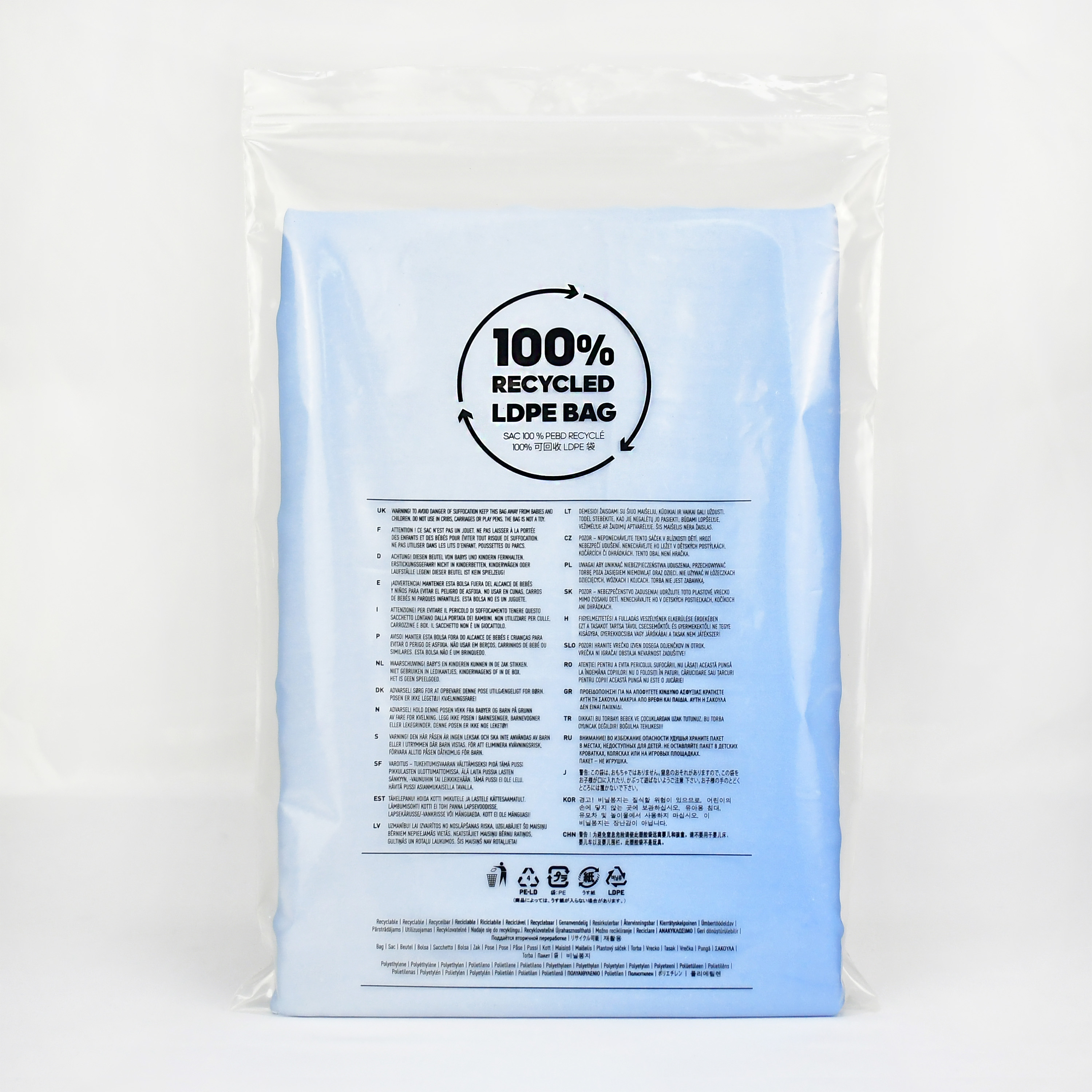
| Recycled plastic → Sorting washing disinfection → Crushing granulation → PE particles → Recyclable products |
|
• Recycling of pre-consumer or post consumer materials that have been used in civil, industrial and other purposes and are eventually eliminated or replaced • Centralized sorting, screening, removal of basic pollutants or bundling of recycled plastics for washing and disinfection • After pulverization and centralized treatment, the plastic is granulated after drying, dehumidification and other processes • PE granular material obtained by pelletizing after recycling, used as raw material for industrial production • Add PE particles made of 20% recycled materials to produce recyclable plastic bags |


Post-Consumer Material
Material generated by households or by commercial, industrial, and institutional facilities in their role as
end-users of the product that can no longer be used for its intended purpose. This includes returns of
materials from the distribution chain.
Pre-Consumer Material
Material diverted from the waste stream during the manufacturing process. Excluded is the reutilization of
materials such as rework, regrind or scrap generated in a process and capable of being reclaimed within
the same process that generated it.

Instead of fast food fashion concept, vetiver is based on the idea of the wearer, not limited to the scope of age or season. At every time of the day, every region and every place can freely change and connect smoothly. Vetiver skillfully combines leisure style and soft multi-functional materials to create a clothing piece valued by fearless and confident women.