English
 简体中文
简体中文


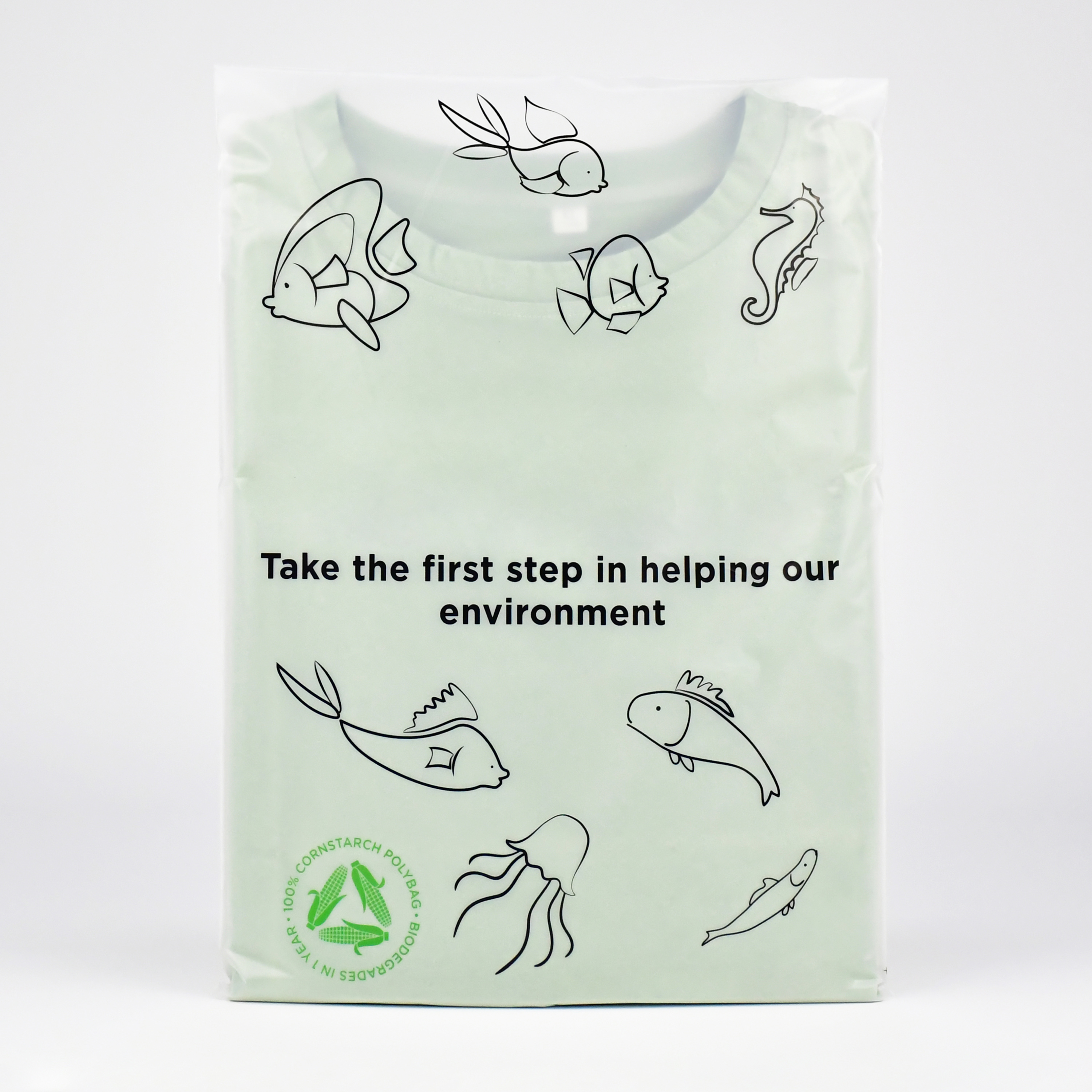
The process of making biodegradable plastic polylactic acid is as follows: first, the corn is ground into powder, the starch is separated, the original glucose is extracted from the starch, and finally the glucose is converted into lactic acid by a fermentation process similar to beer, and then the extracted Lactic acid makes the final polymer, polylactic acid.
Polylactic acid is a biodegradable polymer produced from renewable resources such as grains. In the polylactic acid production route, the lactic acid monomer is first prepared by hydrolyzing grain starch into glucose, and the glucose is converted into sodium lactate by the fermentation process. Lactic acid is further concentrated and then polymerized in the order of polycondensation (to form prepolymer), thermal depolymerization (to form dilactide), ring-opening polymerization, and depolymerization. The molecular weight of the obtained polylactic acid is as high as 75000 g/mol. Lactic acid polycondensation reaction is carried out by conventional methods, and only lactic acid oligomers can be obtained.The most studied method for preparing high molecular weight PLA is through the ring-opening polymerization of lactide, which is synthesized from lactic acid oligomers through high-temperature cracking.

There are detailed reports on the mechanism and reaction conditions of the ring-opening polymerization of lactide. Japan's Mitsui Chemicals Co., Ltd. proposed a new technology to prepare polylactic acid directly by lactic acid polycondensation reaction without lactide. This technology uses a highly active catalyst to obtain high molecular weight polylactic acid through solution polycondensation.

Polylactic acid (PLA):
Because lactic acid and lactide contain asymmetric carbon atoms, PLA with different stereoregularities, such as L-PLA, D-PLA and DL-PLA, can be obtained by polymerization. The degradation of PLA is divided into two stages:
1) First, it is pure chemical hydrolysis to lactic acid monomer;
2) The lactic acid monomer is degraded into carbon dioxide and water under the action of microorganisms. The food cup made of polylactic acid can be completely degraded in only 60 days, which truly achieves the dual effect of ecology and economy.
PBAT (polyterephthalic acid/adipic acid/butanediol):
Itself is a biodegradable material, it is a material with lower cost, high mechanical properties, good biosafety, and PBAT production with independent intellectual property rights Process and complete sets of production and application of patented technology. PBAT is also a polymer material, which can replace ordinary disposable plastic bags in use.
There are 5 different combinations of raw materials for fully biodegradable plastic products, PBAT+PLA (polylactic acid) or starch plastic is a cost-effective combination.


| Plant → Corn starch → PLA+PBAT → Product → Organic soil |
|
• Plant - Organic fertilizer can be used for crop growth • Corn starch - With corn flour/cassava/grain starch,etc • PLA+PBAT - Out-and-out biodegradable • Product - Corn starch biodegradable producus • Organic soil - Garbage can turn into organic fertilizer |