English
 简体中文
简体中文
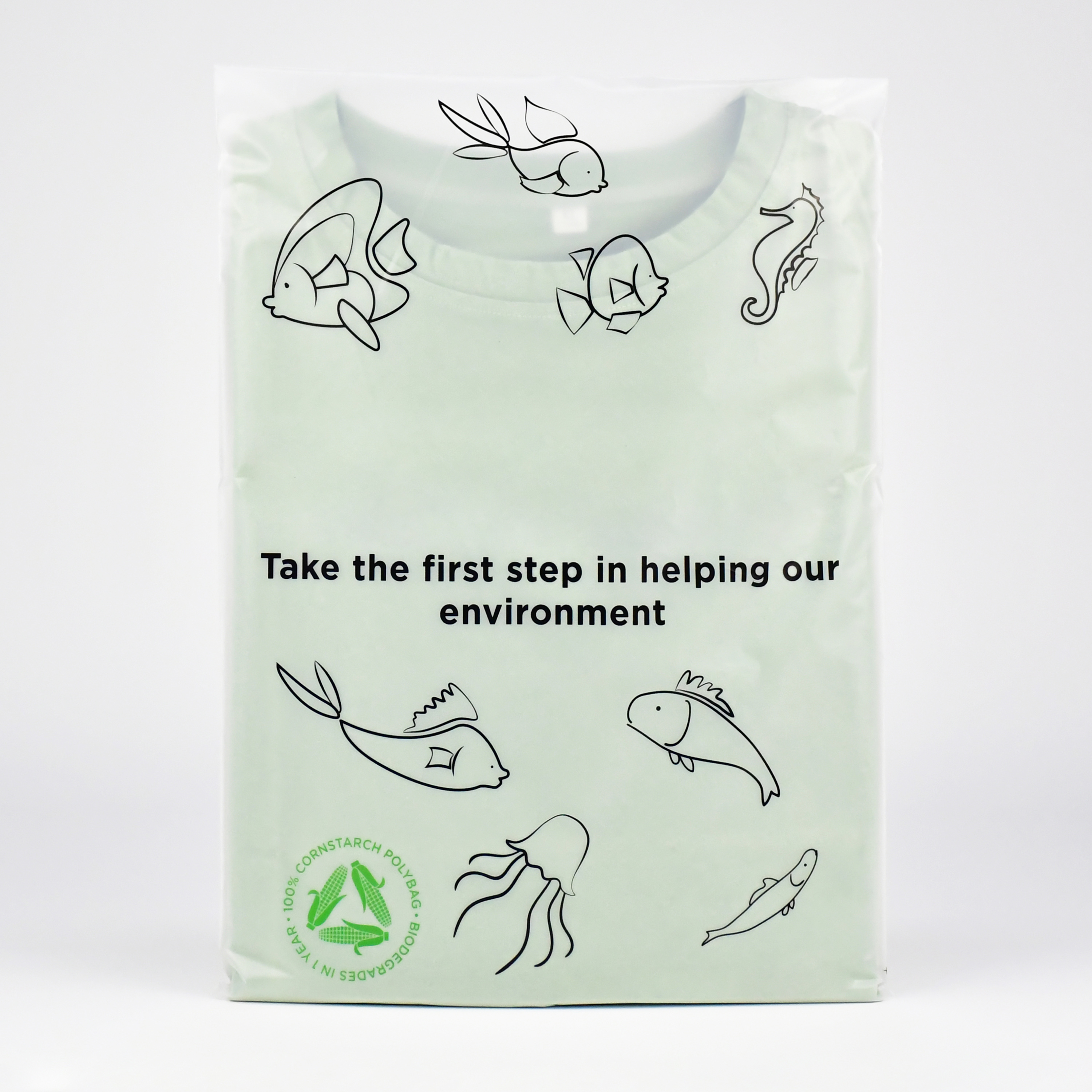
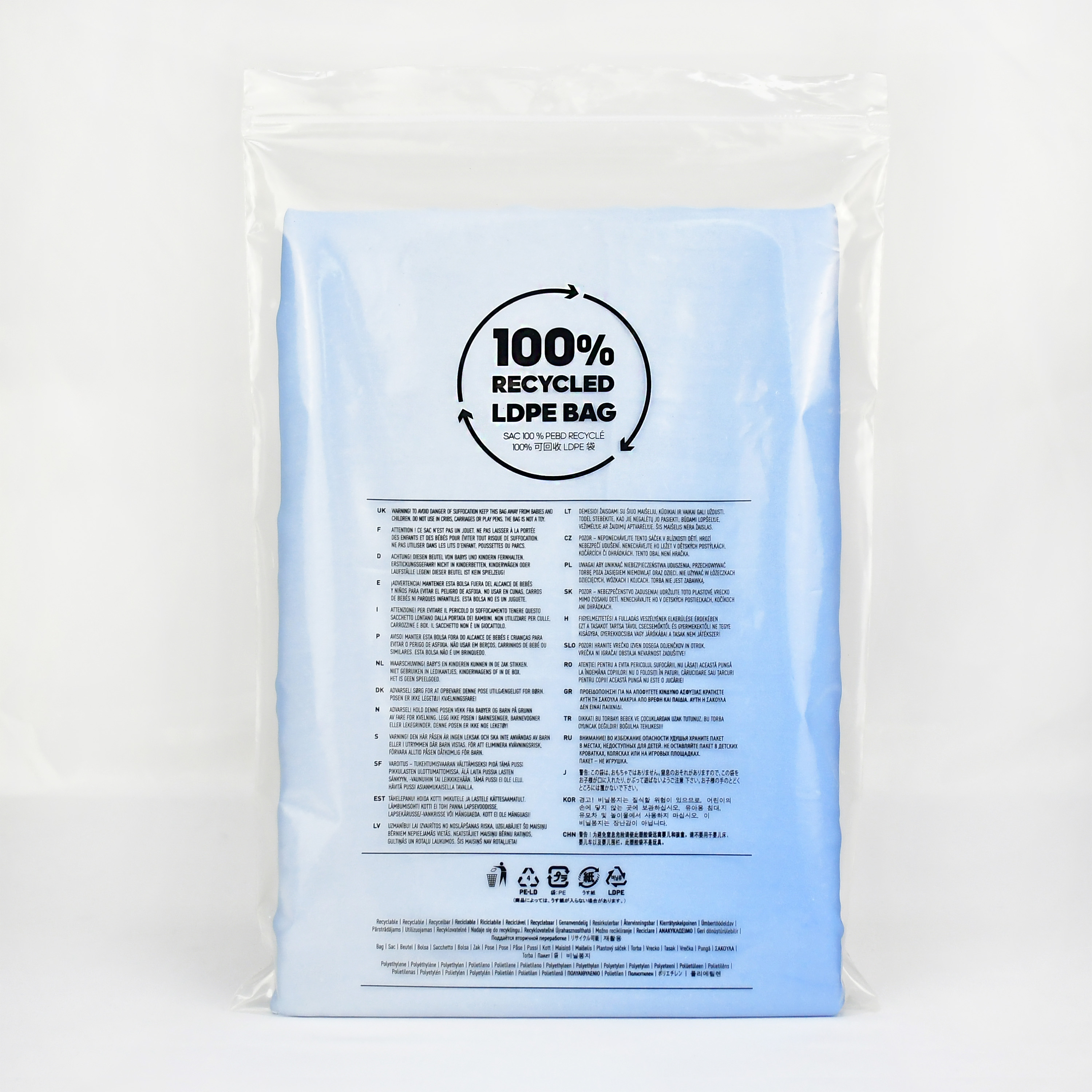
For B2B purchasing decision‑makers, shifting from traditional plastic bags to degradable fiber bags is a strategic move that addresses regulatory risk mitigation, brand premium enhancement, total cost of ownership optimisation, and supply chain resilience. Based on Goolien’s nearly 20 years of packaging manufacturing experience, this article provides a quantifiable, multi‑dimensional analysis from technical, commercial, and market standpoints. The core conclusion: while the unit cost of fiber bags is higher, their long‑term return on investment (ROI) has become significantly superior to traditional plastics, driven by tightening regulations, shifting consumer preferences, and brand value reconstruction.
Introduction: The Business Case Beyond "Going Green"
If you are a procurement manager, brand owner, or packaging decision-maker, you have likely faced a critical question: Should we switch from traditional plastic bags to degradable fiber bags?
This is not merely an environmental consideration—it is a strategic business decision with implications for regulatory compliance, brand equity, supply chain resilience, and your bottom line. While traditional plastic bags have been a staple due to their low upfront cost and durability, the landscape is shifting rapidly.
At Goolien, with over 20 years of manufacturing experience in the packaging industry, we have witnessed this evolution firsthand. Our independent production facility has enabled us to analyze the performance, cost, and application of both materials from a purely engineering and commercial perspective.
This guide provides a balanced, data-driven comparison to help you evaluate whether degradable fiber bags offer tangible advantages for your specific business context.
Part 1: Regulatory Risk Mitigation – Securing Your Supply Chain Continuity
The Unstable Future of Traditional Plastics
The single most compelling driver for businesses to switch is regulatory risk. Governments across the EU, North America, and Asia are implementing stringent bans and taxes on single-use plastics.
| Region | Key Policy | Impact on Plastic Bags |
|---|---|---|
| EU | Single-Use Plastics Directive | Ban on certain plastic products; mandatory labeling and EPR fees. |
| China | National Plastic Ban (2020-2025 roadmap) | Phase-out of non-degradable bags in major cities and sectors. |
| North America | State/Provincial-level bans (e.g., California, Canada) | Prohibition on retail plastic bags; minimum thickness requirements that increase material cost. |
How Fiber Bags Provide a Safe Harbor
Degradable fiber bags, typically made from materials like kraft paper with a biodegradable lining (e.g., PLA or water-based coatings), are designed to meet compostability standards such as EN 13432 (EU) and ASTM D6400 (US). By adopting these materials, you:
- Future-proof your packaging against impending legislation.
- Avoid potential taxes and fees levied on plastic packaging in many jurisdictions.
- Ensure business continuity in markets where plastic bans are strictly enforced.
Part 2: Brand Enhancement & Consumer Preference – The Marketing Advantage
The Shift in Consumer Sentiment
End-consumers are increasingly conscious of packaging waste. A 2022 McKinsey study found that over 60% of consumers are willing to pay a premium for sustainable packaging. This is no longer a niche trend but a mainstream expectation.
Fiber Bags as a Premium Brand Asset
Switching to degradable fiber bags offers tangible marketing advantages:
- Elevated Aesthetics and Tactile Experience: Fiber bags offer a natural, premium texture that paper or plant-based materials provide. This can enhance the perceived value of your product—whether it’s gourmet food, high-end apparel, or artisanal goods.
- Storytelling and ESG Communication: Fiber packaging provides a tangible proof point for your company’s Environmental, Social, and Governance (ESG) commitments. It offers a genuine sustainability narrative you can communicate on your product labels, website, and social media.
- Enhanced Printability: High-quality fiber substrates offer excellent printability for vibrant, detailed brand graphics, ensuring your packaging stands out on the shelf.
Impact on Your B2B Client
By choosing fiber bags, you are providing your clients with a tool to differentiate their own products, command a premium price, and build stronger customer loyalty. This makes you a strategic partner in their brand’s success, rather than just a packaging supplier.
Part 3: Total Cost of Ownership – A Holistic Financial View
Beyond the Unit Price Comparison
It is a common misconception that fiber bags are invariably more expensive. A true Total Cost of Ownership (TCO) analysis, which considers the entire lifecycle, often reveals a different picture.
| Cost Factor | Traditional Plastic Bag | Degradable Fiber Bag |
|---|---|---|
| Unit Cost | Lower. Economies of scale in petrochemical production keep costs low. | Higher. The cost of raw materials (e.g., wood pulp, PLA) and specialized manufacturing processes is typically higher. |
| Logistics & Storage | Bulky (if lightweight). However, they can be cost-effective if shipped in compressed form. | Advantage: Fiber bags are often foldable and can be stored flat, potentially reducing warehousing space and shipping volume, thereby lowering logistics costs. |
| Waste Management | High. Landfill fees, recycling costs, and potential clean-up taxes add to the expense. | Advantage: In regions with industrial composting facilities, the disposal cost can be significantly lower. In some cases, they can be composted on-site, reducing waste management bills. |
| Regulatory Risk Cost | High & Increasing. The risk of future taxes, bans, and compliance costs is significant. | Lower. They comply with existing and foreseeable regulations, offering cost certainty. |
| Brand Value & Marketing | Neutral or Negative. May carry a “plastic” stigma. | Advantage: Positive. Provides a tangible asset for marketing and justifies a premium price point. |
Functional Performance Comparison
Modern degradable fiber bags are engineered for high performance:
- Strength & Durability: While historically less robust, advancements in material science have led to fiber bags with comparable tear resistance, tensile strength, and puncture resistance for most retail and light-industrial applications.
- Breathability: Advantage: Fiber bags are naturally breathable, making them ideal for fresh produce like fruits, vegetables, and bread, as they allow moisture to escape, extending product shelf life.
- Printing & Finishing: Both materials are printable, but fiber offers a more premium, tactile finish that is highly valued in luxury and specialty markets.
Part 4: Supply Chain Reliability & Manufacturing Excellence – The Goolien Difference
The Core of E-E-A-T
In a B2B context, choosing a material is inseparable from choosing a partner. The real-world performance of your packaging depends entirely on the manufacturer’s expertise, quality control, and supply chain stability. This is where experience, as defined by Google’s E-E-A-T guidelines, becomes a tangible asset.
Goolien’s 20-Year Manufacturing Foundation
Founded in 1998, Goolien brings nearly two decades of production expertise to the table. As an independent factory owner, we offer distinct advantages to our B2B partners:
- Proven Process Control: Our long history means we have refined our manufacturing processes. We have a deep understanding of material behavior, which translates into consistent product quality and dimensional stability—critical for automated packaging lines.
- Technical Expertise for Customization: We are not just a “bag maker”; we are a solution provider. Our engineering team can guide you on custom formulations, sizes, thicknesses, and printing options to match your specific product requirements—whether it’s for heavy-duty hardware, lightweight baked goods, or sensitive electronic components.
- Supply Chain Security: Owning our production facility provides us with direct control over our supply chain. This allows for shorter lead times, greater production flexibility, and more reliable order fulfillment compared to trading companies or suppliers who outsource their manufacturing.
- Direct Communication & Agility: When you work with a factory like Goolien, your feedback goes directly to the production floor. This streamlines the process for revisions, troubleshooting, and scaling orders.
Conclusion: A Strategic Imperative, Not Just a Material Change
The shift from traditional plastic bags to degradable fiber alternatives represents more than a simple material substitution. As this analysis demonstrates, it is a multi-faceted strategic decision that impacts regulatory compliance, brand equity, consumer appeal, and total supply chain economics.
Our final assessment:
While the per-unit cost of fiber bags is often higher, the advantages—risk mitigation, enhanced brand perception, and potential for total cost savings—offer a compelling value proposition for forward-thinking businesses. The key is to evaluate the decision based on your specific market, product, and brand objectives.
For B2B buyers, the transition to degradable fiber bags is not merely a sustainability initiative; it is a competitive differentiator that positions your brand as a responsible, forward-looking partner in the eyes of both regulators and end-consumers.
Your Next Steps: Turn Insights into Action
Theory is valuable, but packaging decisions require real-world validation. At Goolien, we are committed to helping you make an informed, confident choice.
Our technical engineering team will analyze your product specifications, storage conditions, and logistics requirements to recommend the optimal fiber bag solution tailored to your needs. Contact Our Experts →
Evaluate our degradable fiber bags against your own performance benchmarks—including tensile strength, tear resistance, print quality, and breathability. We’ll send you a curated sample pack within 48 hours. Request Samples →
We will provide a detailed Total Cost of Ownership comparison based on your order volume, logistics routes, and waste management practices. This data-driven report will help you justify the switch to your internal stakeholders. Get Your TCO Report →
Once you’re confident, we can facilitate a small-batch pilot order to integrate our fiber bags into your existing packaging lines with minimal disruption. Start Pilot Order →
- ✅ 20+ Years of manufacturing experience
- ✅ Factory-Direct Pricing with no middleman markups
- ✅ Full Customization – from material formulation to print design
- ✅ Compliance Guarantee – meet EN 13432, ASTM D6400 standards
- ✅ Reliable Lead Times – backed by our own production facility
📧 Email: Kris@goolien.com
🌐 Website: //www.goolien.com/
📍 Address: 东莞市南城街道宏图路86号, Guangdong, China
Partner with Goolien – where 20 years of expertise meets sustainable innovation.
FAQ: Quick Answers for Procurement Professionals
A: For most retail and light industrial applications, they offer comparable strength and durability. High-quality fiber bags are engineered with robust wet and dry tensile strength. We recommend testing samples for your specific product to ensure suitability.
A: Our fiber bags are designed to meet international compostability standards (EN 13432, ASTM D6400). This means they will biodegrade in a commercial composting facility within a specified timeframe. The rate of degradation depends on the specific environmental conditions.
A: Typically, degradable fiber bags have a higher unit cost. However, our Total Cost of Ownership analysis (see Part 3) shows that considering logistics, waste fees, and brand value, fiber can be a more competitive option in the long run.
A: Yes. As a manufacturer with extensive experience, we offer complete customization including size, thickness, color, printing, and specific material formulations to meet your exact product needs.
A: They should be stored in a cool, dry place away from direct sunlight and moisture to maintain their structural integrity. Unlike plastic, they are breathable, which can be an advantage for certain products.
© 2026 Goolien. All rights reserved. This article is for informational purposes only.