Why Are Fully Biodegradable Trash Bags Expensive? A Transparent B2B Cost Breakdown
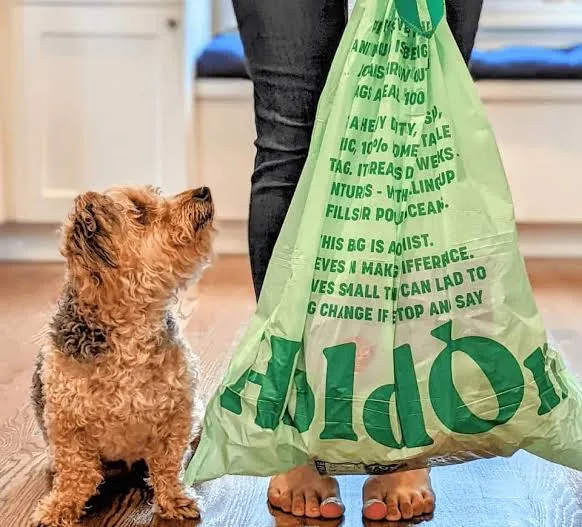
The higher price of fully biodegradable trash bags is not arbitrary—it is a direct reflection of premium raw materials, specialized manufacturing processes, rigorous certifications, and smaller production scales. However, for procurement professionals, the real question is not “why so expensive?” but “what is the total cost of ownership compared to conventional plastics?”. This analysis, grounded in Goolien’s 20 years of packaging manufacturing, reveals that the price premium is an investment in regulatory compliance, brand integrity, and environmental responsibility—factors that are increasingly becoming non-negotiable in global supply chains.
Introduction: The Price Puzzle
You’ve seen the numbers: a fully biodegradable trash bag can cost 2 to 4 times more than a conventional polyethylene bag of similar size. As a procurement manager or business owner, you need to justify this expense to your finance team and stakeholders.
At Goolien, with nearly two decades of experience in manufacturing bags for industrial and retail clients, we have watched the biodegradable market mature. We understand the cost drivers inside out—because we live them every day. This guide pulls back the curtain on the true cost structure, helping you make an informed, strategic purchasing decision.
Part 1: The Raw Material Reality – It Starts with the Resin
Conventional vs. Biodegradable Resins
Traditional plastic bags are made from polyethylene (PE), a byproduct of petroleum refining. It is cheap, abundant, and benefits from decades of infrastructure and economies of scale.
Fully biodegradable bags, on the other hand, are typically made from:
- PLA (Polylactic Acid) – derived from fermented plant starch (usually corn or sugarcane).
- PBAT (Polybutylene Adipate Terephthalate) – a biodegradable synthetic polymer, often blended with PLA or starch.
- Starch-based compounds – natural polymers that require careful processing.
Cost impact: The base price of biodegradable resins is 2 to 3 times higher than PE. This is because:
- Agricultural feedstocks are subject to crop yields and commodity market volatility.
- Specialized fermentation and polymerization facilities require high capital investment.
- Production volumes are still lower than petrochemical plastics, limiting scale efficiencies.
Part 2: Manufacturing Complexity – Not Just a Simple Extrusion
Turning biodegradable resin into a reliable trash bag is technically demanding. Our production floor at Goolien has learned this through years of trial and error.
Key Processing Challenges:
- Narrower Processing Windows: PLA and PBAT degrade at temperatures close to their melting points. This requires precise temperature control and shorter residence times in extruders, reducing throughput and increasing scrap rates.
- Moisture Sensitivity: Many biopolymers are hygroscopic and must be meticulously dried before processing to prevent hydrolysis (which weakens the film).
- Additive Formulation: To achieve the right balance of strength, flexibility, and degradation rate, manufacturers must blend multiple additives (plasticizers, nucleating agents, fillers). This compounding step adds cost and expertise.
- Line Speeds: Typically, biodegradable films run at 15–30% slower speeds on extrusion lines compared to PE, lowering output per machine hour and raising unit costs.
Part 3: Certification and Compliance – The Cost of Proof
Unlike conventional plastics, which have no mandatory biodegradability claims, fully biodegradable bags must prove their environmental credentials through third-party certifications. These are not optional for most B2B markets—they are prerequisites.
| Certification | Key Requirements | Cost Impact |
|---|---|---|
| EN 13432 (EU) | Disintegration ≥90% in 12 weeks; ecotoxicity tests; heavy metal limits | Lab testing and annual audits add €5,000–15,000 per product family |
| ASTM D6400 (US) | Similar to EN 13432, but tailored for US composting conditions | Testing costs are comparable; plus US-based lab logistics |
| OK Compost / TÜV AUSTRIA | Additional voluntary mark; often required for retail brands | Licensing fees and ongoing monitoring |
These certification costs are amortized into the price of every bag. Furthermore, maintaining compliance requires regular re-testing and strict traceability of raw material batches—all of which add administrative and quality control overhead.
Part 4: R&D and Innovation – Continuous Improvement
The biodegradable plastics industry is still evolving. Manufacturers invest significantly in research to:
- Improve mechanical properties (e.g., tear strength, puncture resistance).
- Extend shelf life without compromising degradation.
- Develop new blends that are both cost-effective and home-compostable.
At Goolien, we dedicate a portion of our engineering team to material trials and customer-specific formulations. This R&D is reflected in the unit price but also ensures that our clients receive a product that performs reliably in their specific applications—whether it’s for heavy waste, pet waste, or food waste collection.
Part 5: The Hidden Costs of Scale (or Lack Thereof)
Economies of scale favor conventional plastics massively. The global production capacity for PE is measured in hundreds of millions of tons, while biodegradable polymers are still in the single-digit million-ton range. This disparity affects not only resin costs but also the supply chain for additives, colorants, and even packaging materials.
Additionally, many biodegradable film producers operate on smaller, more flexible equipment, which lacks the hyper-efficiency of dedicated mega-extruders for PE. This translates to higher depreciation and maintenance costs per unit of output.
Part 6: Beyond Price – The Value Proposition for B2B Buyers
While the initial price tag is higher, a comprehensive cost-benefit analysis reveals significant value:
- Regulatory Risk Reduction: By switching to certified biodegradable bags, you protect your supply chain from future plastic bans and taxes.
- Brand Enhancement: Using compostable packaging enhances your ESG profile, which can attract eco-conscious clients and justify premium pricing for your own products.
- Waste Management Savings: In regions with organic waste collection, biodegradable bags can be co-composted, reducing landfill fees and enabling circularity.
- Competitive Differentiation: Offering sustainable packaging is a powerful differentiator in RFQs and bids, especially in markets like Europe, North America, and Australia.
Conclusion: An Investment, Not a Cost
The expense of fully biodegradable trash bags is a direct result of higher-quality raw materials, more complex manufacturing, rigorous certifications, and the ongoing need for R&D. For B2B buyers, viewing this as a strategic investment rather than a simple procurement cost is critical.
Our final take: The price gap will narrow as the industry matures. But today, choosing a reliable, certified product from an experienced manufacturer like Goolien means you are securing compliance, safeguarding your brand reputation, and contributing to a more sustainable future—all while ensuring your operations run smoothly.
Your Next Steps – Make an Informed Decision
We understand that cost is a major concern. That’s why we offer transparent, tailored support for B2B buyers.
Our team will prepare a personalized report comparing the total cost of ownership (TCO) of our biodegradable bags versus conventional alternatives for your specific operation. Get TCO Report →
Test our fully biodegradable trash bags against your existing products. We’ll send samples for you to assess strength, durability, and degradation properties. Request Samples →
Need a specific thickness, size, or additive package? Our engineering team can work with you to design a bag that meets your performance and budget requirements. Consult an Expert →
- ✅ 20+ years of packaging manufacturing experience
- ✅ Factory-direct pricing – no middleman markup
- ✅ Full certification support – EN 13432, ASTM D6400, OK Compost
- ✅ In-house R&D for performance optimization
- ✅ Reliable supply chain with consistent quality
📧 Email: Kris@goolien.com
🌐 Website: //www.goolien.com/
📍 Address: 东莞市南城街道宏图路86号, Guangdong, China
Partner with Goolien – where 20 years of expertise meets sustainable innovation.
FAQ: Answers for Procurement Professionals
A: Yes, typically 2–4 times higher in unit price. However, when you factor in regulatory costs, brand value, and waste management savings, the lifecycle cost can be competitive.
A: The raw material (biodegradable resin) is the largest contributor, followed by the specialized manufacturing process and certification costs.
A: Yes, as production scales up and technology improves, we expect a gradual reduction in cost. We already see this trend in some regions.
A: Absolutely. We can adjust formulations to balance performance and price for your specific application. Contact us for a consultation.
A: Always look for third-party certifications (EN 13432, ASTM D6400) and request material data sheets from your supplier. Goolien provides full documentation.
© 2026 Goolien. All rights reserved. This article is for professional reference only.
How to Distinguish Good vs Bad Biodegradable Bags – A Practical B2B Quality Guide
Switch to Fiber Bags: Lower Long-Term Costs & Higher Brand Value
Related Article