Multilayer Co-extrusion Technology for Plastic Packaging Bags: Complete B2B Guide
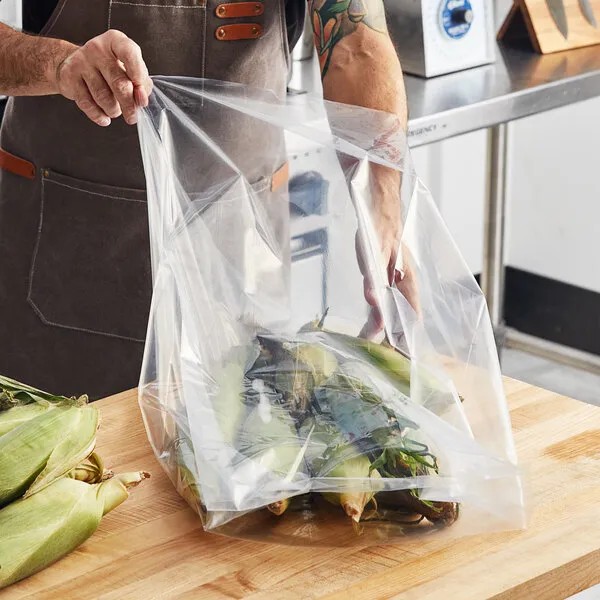
This guide covers the complete technology landscape: from the basic principles and material science (PE, EVOH, PA, tie layers) to 3/5/7-layer structure selection, manufacturing quality control, testing methods, and a practical supplier evaluation checklist — all tailored for B2B packaging buyers.
Table of Contents
- 1. What Is Multilayer Co-extrusion?
- 2. How the Co-extrusion Process Works
- 3. Key Materials: PE, EVOH, PA, PP & Tie Layers
- 4. 3-Layer vs 5-Layer vs 7-Layer Structures
- 5. Co-extrusion vs Lamination
- 6. Manufacturing & Quality Control
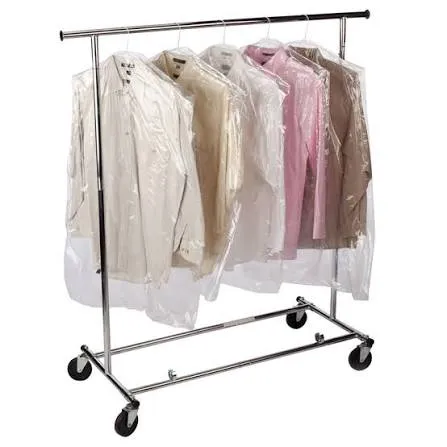
- 7. How to Choose the Right Structure for Apparel
- 8. Supplier Evaluation: 10 Technical Questions
- 9. Sustainability & Future Trends
- 10. FAQ
What Is Multilayer Co-extrusion?
Multilayer co-extrusion is an advanced film manufacturing process that combines two or more polymer materials into a single, integrated film structure during extrusion. Instead of relying on one material to provide all functions — flexibility, strength, barrier, and sealability — each layer is engineered to perform a specific role.
A typical multilayer film may include:
- Outer layer — print surface, scratch resistance, appearance
- Functional layer — barrier (EVOH) or mechanical reinforcement (PA)
- Tie layer — adhesion between incompatible materials
- Inner seal layer — heat sealing, product contact
How the Co-extrusion Process Works
The process involves four main stages:
- Material feeding – Different polymer resins (PE, EVOH, PA) are fed into separate extruders.
- Melting and plasticization – Each polymer is melted at its specific temperature (PE ~180-220°C, EVOH ~190-210°C).
- Layer combination – Molten streams meet in a feedblock or die, forming a multilayer structure (e.g., PE/Tie/EVOH/Tie/PE).
- Cooling and stabilization – The combined film is cooled and thickness is monitored for uniformity.
Key Materials: PE, EVOH, PA, PP & Tie Layers
| Material | Primary Function | Advantage | Limitation |
|---|---|---|---|
| PE (LDPE/LLDPE) | Flexibility, sealing | Low cost, excellent sealability | Limited barrier |
| HDPE | Stiffness, strength | Higher tensile strength | Less flexible |
| PP | Clarity, rigidity | Excellent transparency, heat resistance | Lower flexibility |
| EVOH | Oxygen barrier | Outstanding gas barrier | Moisture-sensitive, higher cost |
| PA (Nylon) | Mechanical strength | High puncture & tear resistance | Higher cost |
| Tie Layer | Adhesion | Bonds incompatible polymers | Adds complexity |
3-Layer vs 5-Layer vs 7-Layer Structures
| Structure | Typical Configuration | Best For | Relative Cost (vs single PE) |
|---|---|---|---|
| 3-Layer | PE / PE / PE (or PE/recycled/PE) | Basic garment packaging, domestic shipping | 1.0× – 1.3× |
| 5-Layer | PE / Tie / EVOH or PA / Tie / PE | Export packaging, premium garments | 1.5× – 2.5× |
| 7-Layer | PE/Tie/PA/Tie/EVOH/Tie/PE | High-performance, specialty applications | 3.0× – 5.0× |

Co-extrusion vs Lamination: What's the Difference?
| Feature | Co-extrusion | Lamination |
|---|---|---|
| Manufacturing stage | During film extrusion | After film production |
| Bonding method | Polymer fusion (tie layers) | Adhesive bonding |
| Structure control | High precision | Depends on materials |
| Typical use | High-volume engineered films | Multi-material combinations |
For apparel bags, co-extrusion is generally preferred for its consistency and scalability.
Manufacturing & Quality Control
Professional co-extrusion manufacturers control these key quality parameters:
| Parameter | Why It Matters | Typical Target |
|---|---|---|
| Layer thickness tolerance | Affects cost and performance | ±5% (good); ±3% (excellent) |
| Seal strength | Prevents bag opening | ≥2.5 N/15mm (PE seals) |
| Tear resistance | Handling and shipping durability | Measured per ASTM D1922 |
| Layer adhesion (tie layer) | Prevents delamination | Peel strength test per ASTM D813 |
How to Choose the Right Structure for Apparel
5-Step Decision Framework:
- Define product risks – Export? High value? Moisture-sensitive?
- Analyze current failures – Tearing? Sealing? Appearance issues?
- Match structure to application – Use table below.
- Calculate total cost – Unit price × volume + failure rate × product value.
- Select supplier with verified capability – Use the questionnaire.
| Application | Recommended Structure | Key Reason |
|---|---|---|
| Basic domestic T-shirts | 3-layer PE | Cost-efficient, sufficient protection |
| Export garments (ocean freight) | 3-5 layer PE (enhanced) | Improved tear/moisture resistance |
| Premium retail brand | 5-layer with optimized outer layer | Better print quality and appearance |
| High-value/technical garments | 5-7 layer with PA/EVOH as needed | Maximum protection |
Struggling to Choose the Right Multilayer Structure?
Our technical team can review your product and supply chain to recommend an optimized layer design — balancing performance, cost, and sustainability. Free consultation and sample evaluation.
Request a Packaging Consultation →💬 Response within 2-4 hours. B2B technical support.
Supplier Evaluation: 10 Technical Questions to Ask
10 Must-Ask Questions for Multilayer Co-extrusion Suppliers
- What co-extrusion equipment do you operate (brand, age, max layers)?
- What is your layer thickness control tolerance? (Look for ±5% or better.)
- Do you have online thickness monitoring and layer distribution inspection?
- Can you provide Technical Data Sheets (TDS) and MSDS for all materials?
- What seal strength and tear resistance test data can you share?
- Have you developed custom multilayer structures for apparel brands? (Request examples.)
- Can you provide pre-production samples for line testing?
- What quality certifications do you hold (ISO 9001, GRS, etc.)?
- How do you handle batch-to-batch consistency and material traceability?
- Do you offer mono-material (recyclable) multilayer options?
Sustainability & Future Trends
Multilayer packaging faces recycling challenges due to mixed materials. The industry is responding with:
- Mono-material PE structures – All-PE films that are mechanically recyclable while maintaining performance via MDO (Machine Direction Orientation) technology.
- Chemical recycling – Breaking down mixed plastics into monomers for repolymerisation (scaling up).
- Design for recyclability – Aligning with guidelines like Ceflex and RecyClass.
Ask your supplier: “What recyclable multilayer options do you offer?” – this will be a key differentiator in the coming years.
Frequently Asked Questions
What is multilayer co-extrusion technology?
It's a process that combines two or more polymers into a single film during extrusion, where each layer serves a specific function (sealing, barrier, strength, appearance).
What materials are used in multilayer packaging films?
Common materials: PE (flexibility/sealing), EVOH (oxygen barrier), PA/Nylon (strength), PP (clarity), and tie layers (adhesion).
How many layers do I need for garment packaging?
For most garments: 3-layer PE is sufficient. For export or premium: 5-layer with enhanced PE or added barrier. 7-layer is rarely needed.
Is co-extrusion better than lamination?
Neither is universally better. Co-extrusion offers better consistency and material efficiency for high-volume films; lamination is better when combining different substrate types (e.g., film + foil).
Are multilayer films recyclable?
Traditional mixed-material films are difficult to recycle. However, mono-material PE multilayer structures are increasingly available and designed for recyclability.
Conclusion: Make Informed, Capability-Based Decisions
Multilayer co-extrusion is a powerful technology that enables packaging manufacturers to engineer films with balanced performance, cost, and sustainability. For apparel buyers, understanding this technology is not about becoming a film engineer — it's about asking the right questions, evaluating supplier capability, and avoiding unnecessary complexity.
The best packaging structure is the one that matches your product requirements, supply chain conditions, and brand goals — not the one with the most layers. Use the 5-step decision framework, the 10-question supplier checklist, and the red flags provided to make confident sourcing decisions.
Ready to Source Multilayer Packaging with Confidence?
Talk to our packaging specialists for a technical review of your current packaging, a recommendation on the optimal layer structure, and a no-obligation sample evaluation.
How to Identify Genuine Compostable Packaging: A B2B Buyer's Verification Guide
Multilayer Co-extrusion Technology: A Complete Guide for Apparel Packaging Buyers
Related Article