English
 简体中文
简体中文

The Development of the Times -- Plastics
The first fully synthetic plastic is from Leo Hendrik Baekeland, an American Belgian. On July 14, 1907, he registered a patent for phenolic plastic.Baekeland, the son of a shoemaker and a maid, was born in Ghent, Belgium, in 1863. In 1884, at the age of 21, Baekeland received a doctor's degree from Ghent University. At the age of 24, he became a professor of physics and chemistry at the Belgium Bruges Higher Normal College. In 1889, having just married the daughter of a college tutor, Baekeland won another travel scholarship to engage in chemical research in the United States.
Encouraged by Professor Charles Chandler of Columbia University, Baekeland stayed in the United States and worked for a photography supplier in New York. This led him to invent Velox photographic paper a few years later, which can be developed in light rather than in the sun. In 1893, Baekeland resigned and founded Nepera Chemical Company.
Under the impact of new products, Eastman Kodak, a photographic equipment manufacturer, could not bear it. In 1898, after two negotiations, Kodak purchased the patent right of Velox photographic paper at a price of 750000 US dollars (equivalent to 15 million US dollars in 2013). However, Kodak soon found that the formula did not work. Baekeland replied that it was normal. Inventors would omit one or two steps in patent documents to prevent infringement. Kodak was told that they bought patents, but not all knowledge. After paying another 100000 dollars, Kodak knew that it was in a solution.
After digging the first barrel of gold, Baekeland bought a mansion overlooking the Hudson River in Yanks near New York, transformed a barn into a fully equipped private laboratory, and cooperated with others to build a test factory in Brooklyn. At that time, the budding power industry contained a huge market for insulating materials. The first temptation Baekeland smelled was the soaring price of natural insulating material shellac, which had been produced by South Asian cottage industries for centuries. After investigation, Baekeland took the search for a substitute for shellac as his first business goal. At that time, chemists began to realize that many natural resins and fibers that can be used as coatings, adhesives and fabrics are polymers, i.e. macromolecules with repetitive structures, and began to look for ingredients and methods that can synthesize polymers.
The difference is that celluloid comes from chemically treated collodion and other cellulose containing plant materials, while phenolic plastic is the first fully synthetic plastic in the world. Baekeland named it "Bakelite" after himself. He is lucky that his British counterpart Sir James Swinburne only submitted his patent application one day later than him, otherwise phenolic plastic might be called "Swinburne" in English. On February 8, 1909, Baekeland disclosed the plastic at a meeting of the New York Branch of the American Chemical Society.

As a scientist, Baekeland has earned both fame and wealth. He has more than 100 patents and numerous honorary positions. After his death, he also ranks in the Science and Business Hall of Fame. He has both the business acumen rarely seen by scientists and the dullness of too many scientists. Apart from movies and cars, his biggest hobby is to wear shirts and shorts to linger on the yacht "Ion". However, it is said that he only has a suit and always wears a pair of old sneakers. In order to change his clothes, his wife, an artist, picked out a $125 British blue twill serge suit in the clothing store, paid the shopkeeper $100 in advance, and asked him to display the suit in the window with a $25 tag. That night, Baekeland learned from his wife that it was a good thing, cheap and beautiful, and bought it the next day. On his way home, he met his neighbor, Samuel Antmeyer, a lawyer. Baekeland's new clothes were immediately bought by the other party for 75 dollars, which became a proud example of his shrewdness to his wife.

In 1939, when Baekeland retired, his son, George Washington Baekeland, had no intention of going into business, and the company sold to Union Carbide for $16.5 million (equivalent to $200 million today). In 1945, one year after Baekeland's death, the annual output of plastics in the United States exceeded 400000 tons. In 1979, it surpassed the representative of the industrial age - steel. In the exhibition at the Science Museum in London, Hugh Karak, the great grandson of Baekeland, holds a 1930s urea formaldehyde plastic phone in one hand and displays a mobile phone made of biodegradable plastic in the other.
Application and Development of Plastics
The rapid development of plastic industry has also brought a series of social problems caused by waste plastics and waste plastics. The application of plastic products has gone deep into every corner of the society. From industrial production to food, clothing, housing and transportation, plastic products are everywhere. People began to find that plastic waste had quietly poured into us, seriously affecting our health and living environment. For example, some agricultural land began to reduce production due to the impact of waste mulch. The "white pollution" caused by waste plastic began to give people a headache. The incorruptible and non decomposable lunch boxes could not be effectively recycled, and domestic plastic waste could not be disposed of. The sharp increase of plastic waste and the social and environmental problems caused by it have been placed in front of people and places where people all over the world live.
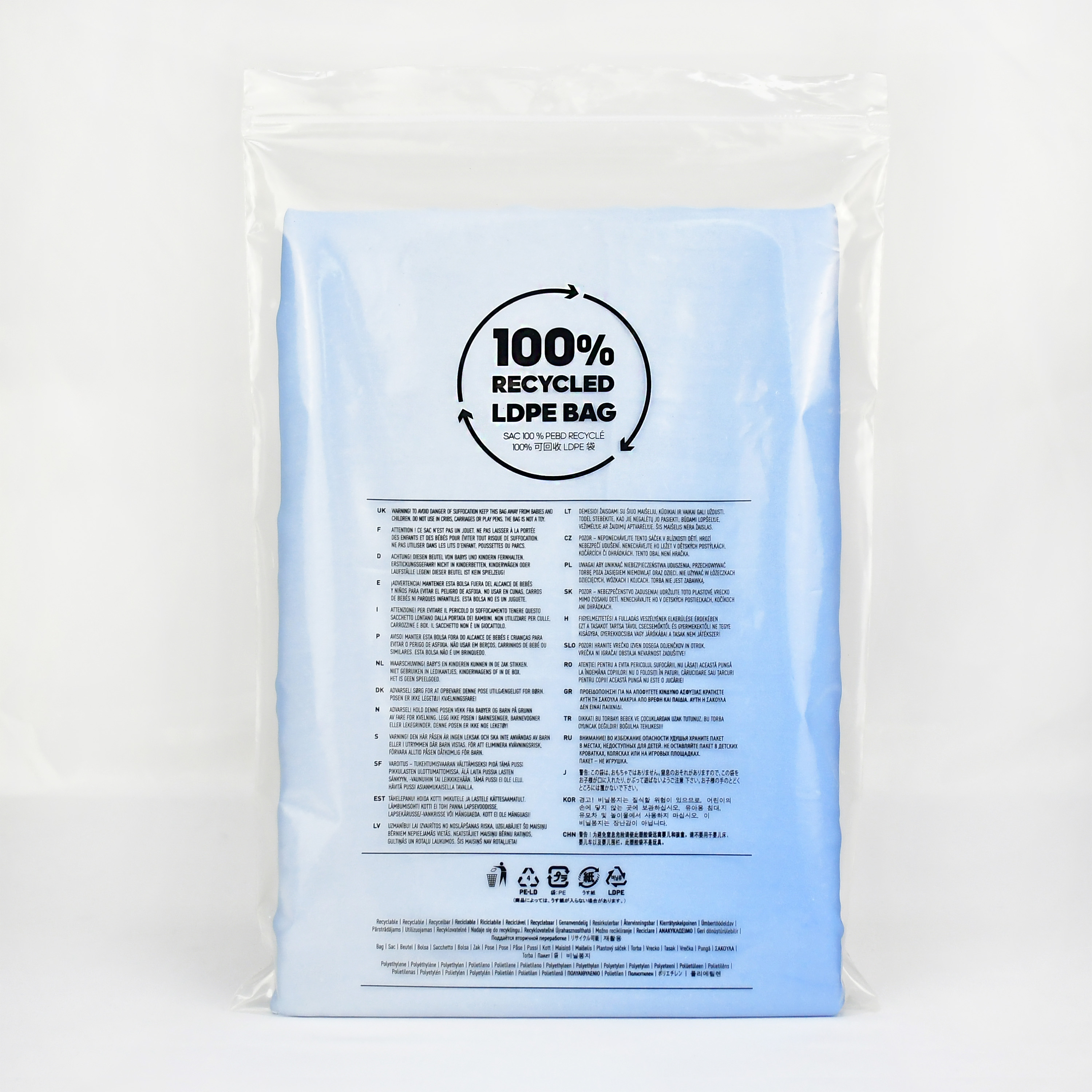
Therefore, the development of biodegradable corn starch bags, biodegradable bags and recyclable bags also shows the progress of the times.
Plastics for the development of machinery
The huge market of plastics has promoted the development of plastic machinery industry. Plastic machinery industry is widely used in packaging, agriculture, construction, automobile and other fields. With the continuous development of domestic petrochemical industry, China's plastic machinery industry has gradually formed an independent industrial sector, and has begun to take shape. China's plastic machinery industry is developing very fast, basically achieving leapfrog development, and the industrial scale is also expanding.
The development potential of China's plastic machinery industry is very great, with great stamina, especially those models with high technology content, good performance and relatively moderate price. In particular, super large, precise and special injection molding machines, low temperature and high power single screw extruders, multi-layer co extrusion blow molding machines used to produce high impermeability and heat resistance packaging materials, and blow molding machines used to produce industrial parts (auto parts, etc.) all have good prospects for development.
Nowadays, the demand and consumption of plastic products in the market have changed a lot, but plastic machinery is still the most concerned by major manufacturers and consumers. At present, the independent innovation ability of China's plastic machinery industry is relatively weak. There are few types of high-end and personalized products, and the industry concentration is relatively low. However, the plastic processing industry has a good development prospect, which has played a great role in promoting the rapid development of China's plastic machinery manufacturing industry. The development potential of China's plastic machinery industry is full.