English
 简体中文
简体中文
Replacing degradable plastic bags may be a better way to be environmentally friendly
27/06/2022
"Life is like saving plastic bags. No matter what kind of takeaway bag, grocery shopping bag, or clothes bag, it will be accumulated. When one day, when there is something you don't know what to put in it, you will open the cabinet where you are saving plastic bags. There's a bag for you."
The original intention of plastic bags is to protect trees
In 1866, Max Schuschny invented plastic. In 1866, John Wesley Hyatt happened to knock over the collodion and found that it would become a tough and elastic material after freezing, thus inventing the plastic "Celluloid" (Celluloid). On October 24, 1902, the Austrian scientist Max Schuchny invented the plastic bag.
In 2005, the British "Guardian" named the plastic bag as the worst invention of mankind. Before that, Mr. Shushny, the inventor of the plastic bag, believed that the plastic bag he invented had a negative impact on the environment and committed suicide, becoming the first scientific martyr in the plastic industry, plastic industry and plastic science. Who would have thought that the original intention of the invention of plastic bags is to replace cloth bags and paper bags that require a lot of green resources to prepare?
"Degradable plastic" attracts global attention
In fact, only a small number of people reuse plastic bags. In Western countries, the home of plastic bags, plastic bags are widely abused because of their convenience and cheapness. In my country, the annual production of plastic products can reach 4 million tons. Converted to plastic bags, an average of 3 billion plastic bags per day. Although it can be used multiple times, the stability of plastic means it can take hundreds of years for it to disappear.
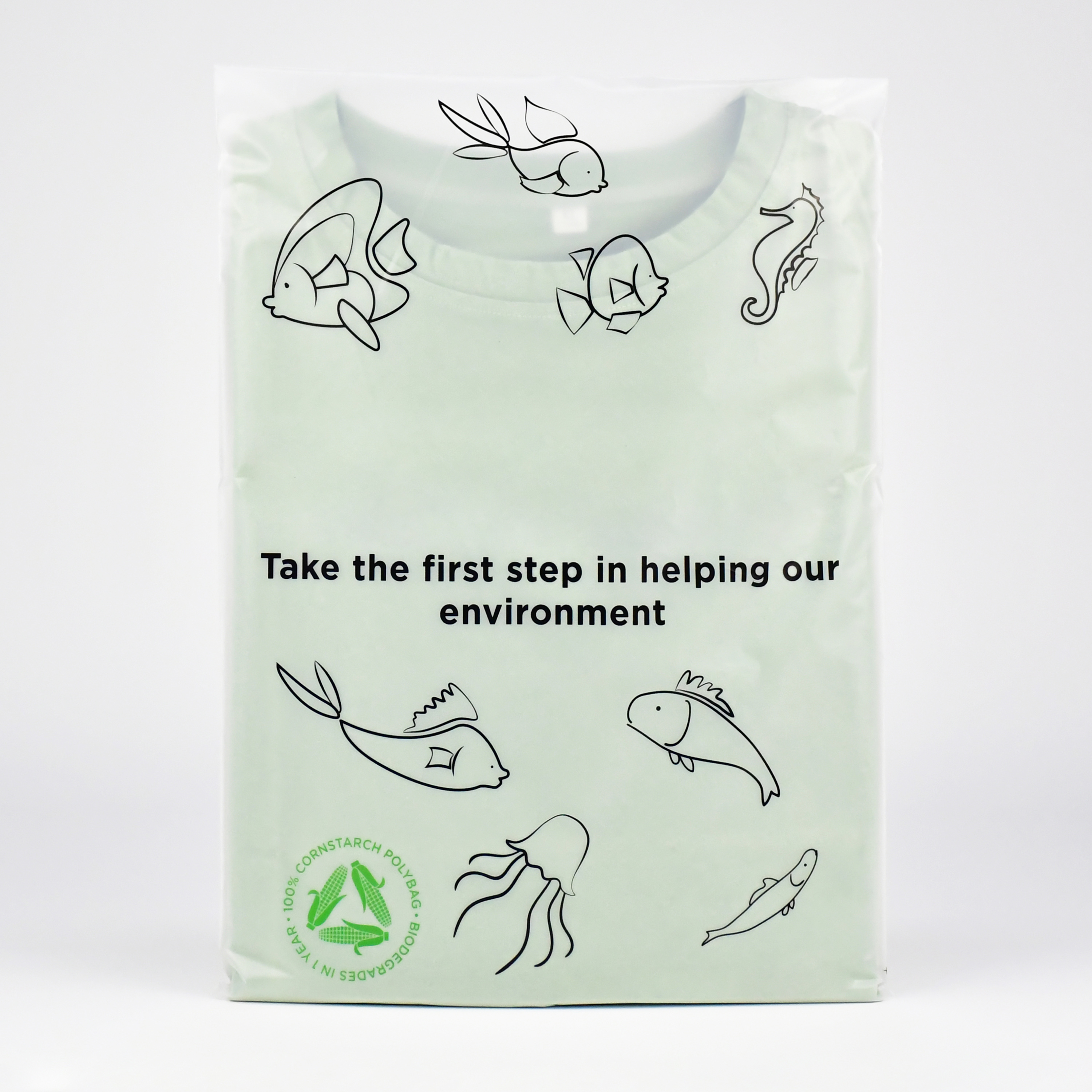
Plastic researchers have finally found a solution: fully biodegradable plastics. The so-called plastic degradation, in fact, is to change the long carbon chains of plastics into individual carbon chains and carbon molecules. This carbon exists in molecular form and turns into carbon dioxide in the presence of oxygen, methane in the absence of oxygen, and then into the natural carbon cycle.
Plastic bags made from fully biodegradable plastics will degrade and convert into carbon dioxide and water in less than a year under certain conditions. Although the joy of "hoarding plastic bags" is gone, it is more green and environmentally friendly.