Recyclable and non recyclable plastics
2022-12-07

Recyclable and non recyclable plastics
Nowadays, plastic pollution, like climate change, has become a serious environmental problem threatening human survival. The research results in recent years show that a large number of plastic wastes discarded directly without treatment will not only cause serious environmental pollution, but also form countless micro plastic particles under the action of external forces of nature. And because they are difficult to degrade, they will exist in the food chain for a long time in this form, and eventually enter our bodies through drinking water and food, directly endangering human health.As far as plastics are concerned, they can be recycled in theory. The reason why some plastic products are excluded from the actual recycling operation is often limited by processing technology and economic conditions.
The plastic products on the market can be divided into thermosetting (can not be melted after heating) and thermoplastic (can be melted after heating) plastics according to their different processing properties. 1、 The melting characteristics of thermoplastics make it easier to be processed to achieve the purpose of recycling and reuse. Because the recycling operation is simple, the recycled plastics on the market are mainly made of this kind of plastics. 2、 However, due to the complex processing process of thermosetting plastics and the limitations of technical conditions and economic costs, many renewable resource enterprises usually do not process these plastics products for the second time.
Where has the recycled plastic gone? After understanding the difference between recyclable plastics and non recyclable plastics, let's take a look at how the plastic waste is recycled. The recycling of plastic waste can also be divided into the following two categories according to whether the chemical molecular structure of plastic changes during processing:
1、 In the process of mechanical recycling, it is only necessary to classify various plastic wastes, and then plastic them into the desired shape by heating or mechanical force. This is a very ideal recycling method and the preferred way to recycle plastic wastes.
2、 In contrast, the chemical recovery process is somewhat complicated, mainly including two options: synthesis after degradation into monomer and conversion into energy. Among them, conversion into energy includes conversion into fuel and direct combustion.
Plastics can be decomposed into corresponding monomers and then polymerized into new plastics through high-temperature degradation or reaction with specific chemicals.
Although this operation seems troublesome, after the process of "plastic monomer plastic", all aspects of recycled plastics can be comparable to those of nascent plastics. Direct incineration is the simplest way to convert plastic waste into energy, but it also generates a large number of toxic gases and solid particles that pollute the environment. Therefore, when conditions permit, people usually choose to isolate the plastic waste from oxygen for high-temperature treatment, so that polymer compounds can be cracked into gaseous or liquid organics that can be used as fuel, thus improving the combustion efficiency.
What are the difficulties in plastic recycling?
Although there are so many ways to recycle plastic waste, only about 21% of plastic waste in the world has been recycled. So, what is the reason why so many plastic wastes cannot be effectively treated? Let's take a look at the difficulties in the actual implementation of plastic recycling.
Let's start with the simplest mechanical recycling. Many little friends must say that it is difficult to recycle mechanically! However, things are not as simple as imagined.

Plastic is a general term for a large class of macromolecular compounds, and a plastic product often uses many kinds of plastics. If different types of plastics are put together in the processing process, the performance of the final product will inevitably be affected. Therefore, the processing has not started yet. It is enough to make a headache just to classify waste plastics accurately.
Do you think you can breathe a sigh of relief after distinguishing different kinds of plastics? I'm afraid it's too early to be happy.
Each batch of plastic products should add chemical additives with different compositions and proportions according to different product requirements. Although there is no interference from other types of plastics in the recycled raw materials at this time, how to remove the interference from the original additives is still a very difficult problem. Even if all the steps are completed, the chemical structure of the recycled plastic products is likely to be affected by the mechanical force and high temperature treatment before, and the performance is also greatly reduced.
Since mechanical recycling is very difficult, let's take a look at chemical recycling. Many plastic products with stable performance often need a complex set of chemical reactions to finally decompose into monomers, while plastics that are easy to decompose often affect people's daily use because of their unsatisfactory performance. To solve this problem, many scientists are caught in a dilemma.
However, the direct pyrolysis of plastics to fuel needs to be carried out at high temperature, which itself requires a lot of energy. Until the method of low-temperature pyrolysis is found, this recovery method cannot be widely used. Although there are many technical difficulties to be solved in the process of plastic recycling, its potential is still huge. Professional data shows that every successful recycling of 1 ton of plastic waste can save 130 million kilojoules of energy for mankind. Therefore, while we hope to make further progress in plastic recycling technology, we should also seriously treat the garbage classification in daily life. This will not only facilitate the smooth progress of plastic recycling, but also do our part to protect the environment!
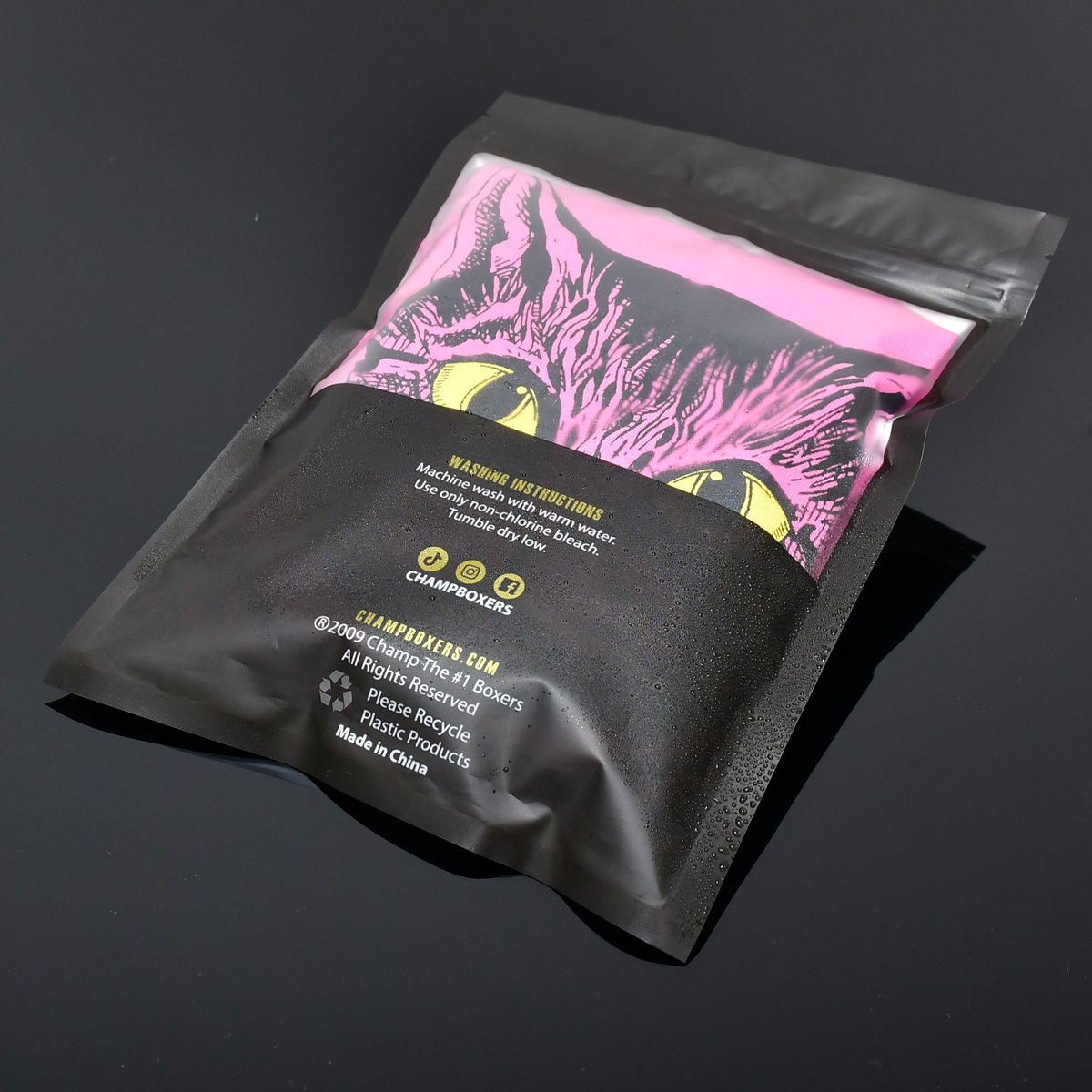
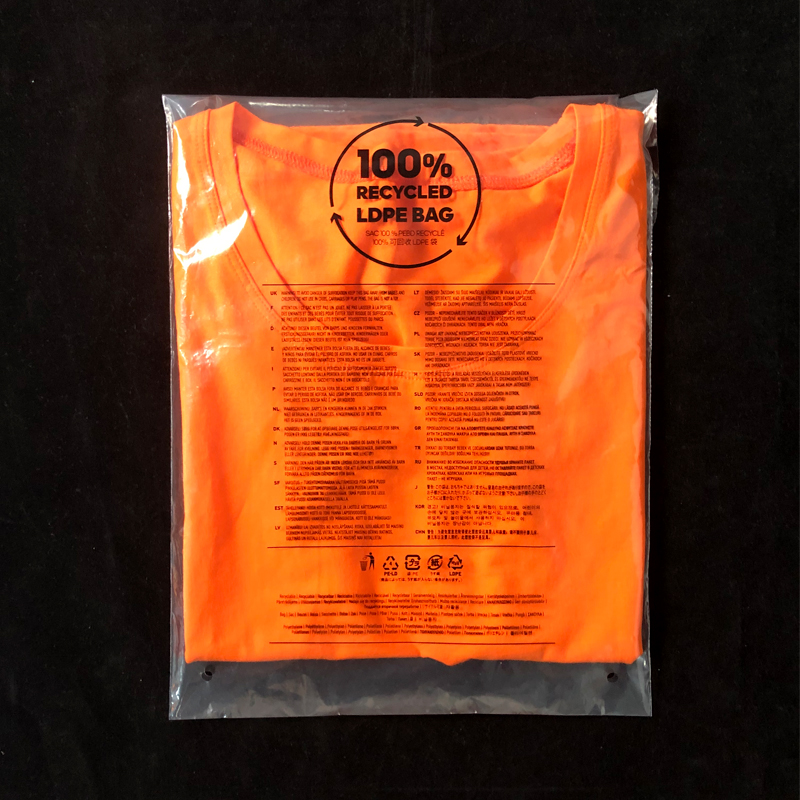

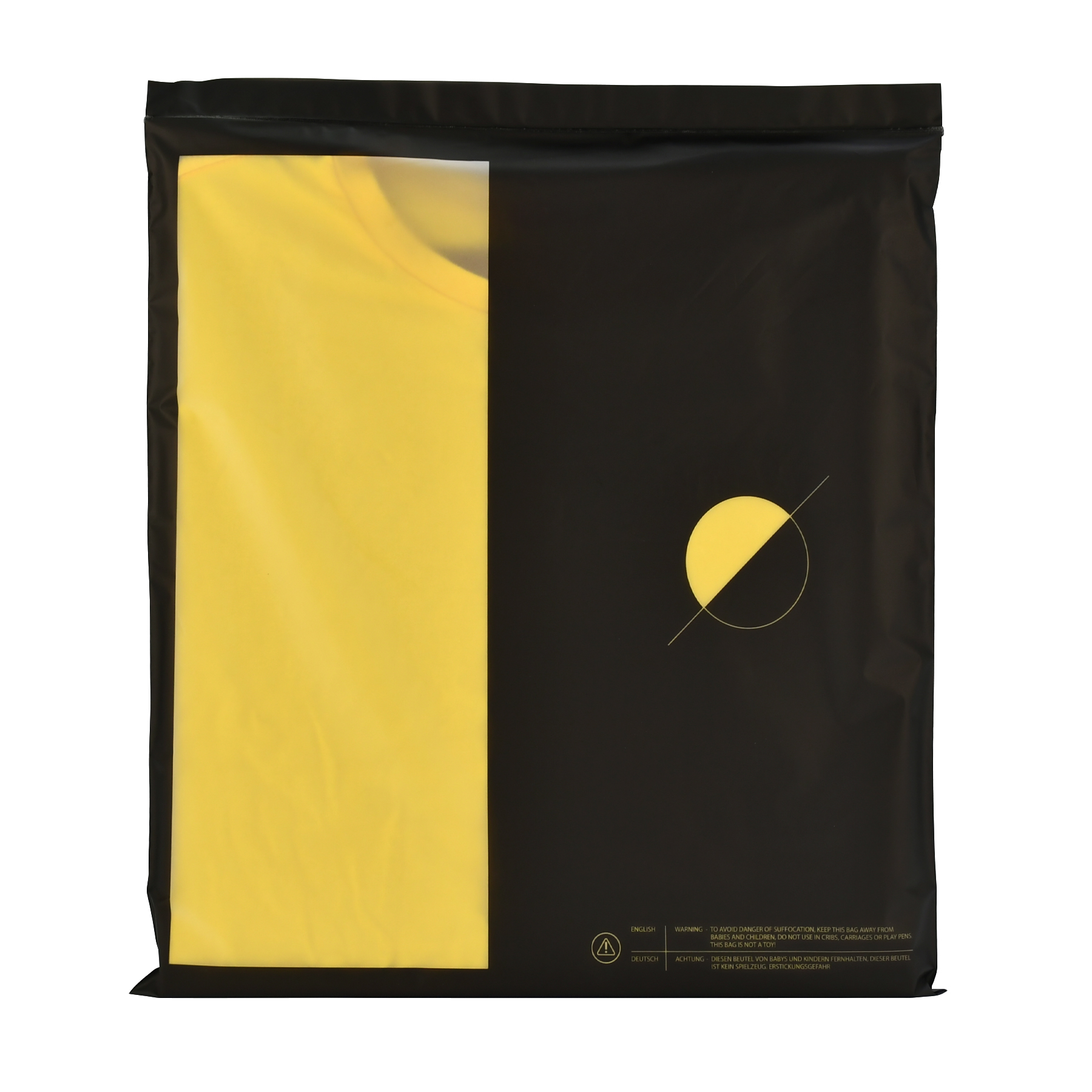

Use of plastic bags
Plastic packaging takes the road of green and sustainable development
Related Article

EU PPWR 2026: A Practical Compliance and Procurement Guide for Apparel, Footwear & Luggage Packaging
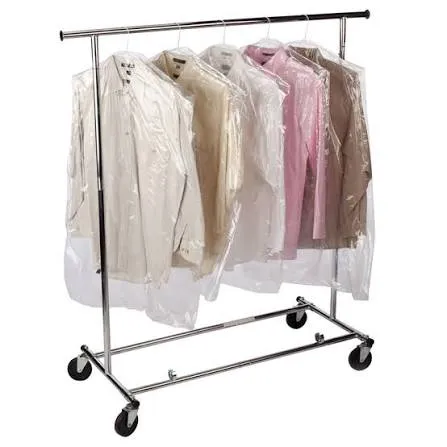
Understand multilayer co-extrusion for garment packaging: 3 vs 5 layers, material selection (PE, PA, EVOH), performance benefits, cost considerations, and supplier evaluation.
Multilayer Co-Extrusion in Garment Packaging: A Complete B2B Guide