English
 简体中文
简体中文

Plastics
Plastics are polymer compounds (macroolecules) made from monomers by addition polymerization or polycondensation reaction polymerization. Their anti deformation ability is medium, between fiber and rubber. They are composed of synthetic resin and fillers, plasticizers, stabilizers, lubricants, pigments and other additives.The main component of plastics is resin. Resin refers to polymer compound that has not been mixed with various additives. The term resin was originally named after the lipids secreted by animals and plants, such as rosin, shellac, etc. Resin accounts for 40%~100% of the total weight of plastic. The basic properties of plastics mainly depend on the nature of resin, but additives also play an important role. Some plastics are basically composed of synthetic resin without or with little additives, such as organic glass.
Plastic raw material is defined as a kind of synthetic or natural macromolecular polymer, which can be kneaded into various shapes at will and finally can keep the shape unchanged.
Plastics are important organic synthetic polymer materials, which are widely used. However, the "white pollution" caused by waste plastics is becoming more and more serious. If we can understand the composition and classification of plastics in detail, it will not only help us to use plastic products scientifically, but also help us to classify and recycle plastics, and effectively control and reduce the "white pollution".
Most plastics are light, chemically stable and will not rust; Good impact resistance; It has good transparency and wear resistance;
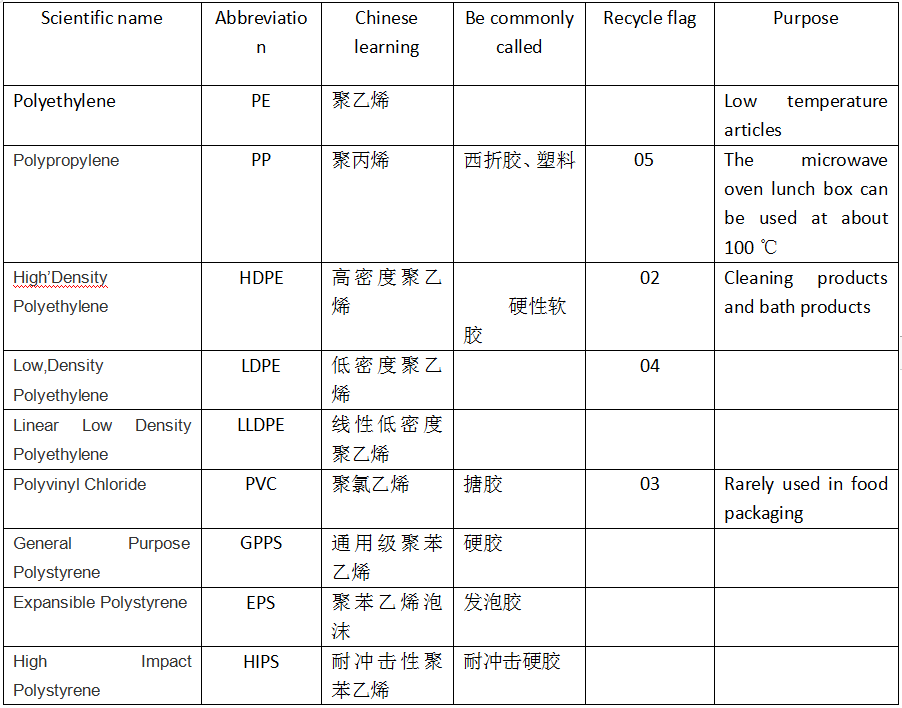

Most plastics have poor low temperature resistance, become brittle and easy to age at low temperatures;
Some plastics are soluble in solvents.
Plastics can be divided into thermosetting and thermoplastic. The former cannot be reshaped for use, while the latter can be re produced. The physical elongation of thermal plasticity is relatively large, generally 50%~500%. The force does not change linearly at different elongation.
The different properties of plastics determine their use in life in industry. With the progress of technology, research on the modification of plastics has never stopped. It is hoped that in the near future, the modified plastics can be used more widely, even can replace steel and other materials and no longer pollute the environment.
molecular structure
There are basically two types: the first is linear structure, and polymer compounds with this structure are called linear polymer compounds; The second is the body structure. Polymers with this structure are called body polymer compounds. Some polymers have branched chains, which are called branched polymers and belong to linear structures. Although some polymers have cross-linking between molecules, there is less cross-linking, which is called network structure and belongs to body structure.
Two different structures show two opposite performances. Linear structure, heating can melt, less hardness and brittleness. The body structure has high hardness and brittleness. Plastics are polymers of both structures. Thermoplastic plastics are made of linear polymers, and thermosetting plastics are made of body polymers.
Material properties
Chemical corrosion resistance
(2) Glossy, partially transparent or translucent
(3) Most of them are good insulators
Light and solid
Easy processing, mass production and low price
(6) Wide range of uses, multiple effects, easy coloring, and partial high temperature resistance
advantage
1. Most plastics have strong corrosion resistance and do not react with acids and alkalis.
2. Low plastic manufacturing cost.
3. Durable, waterproof and light.
4. It is easy to be molded into different shapes.
5. It is a good insulator.
6. Plastics can be used to prepare fuel oil and fuel gas, which can reduce the consumption of crude oil.
shortcoming
1. When recycling waste plastics, it is very difficult to classify, and it is not economical.
2. Plastic is easy to burn and produces toxic gas when burning. For example, toluene is produced when polystyrene is burned. A small amount of this substance can cause blindness, vomiting and other symptoms when inhaled. PVC combustion can also produce hydrogen chloride toxic gas. In addition to combustion, it is a high-temperature environment, which can cause the plastic to decompose into toxic components, such as benzene.
3. Plastics are made from petroleum refining products, and petroleum resources are limited.
4. Plastic can rot after being buried underground for hundreds of years.
5. The heat resistance of plastics is poor and easy to age.

The plastic we usually use is not a single component, it is made of many materials. Among them, macromolecular polymer (or synthetic resin) is the main component of plastics. In addition, in order to improve the performance of plastics, various auxiliary materials such as fillers, plasticizers, lubricants, stabilizers, colorants, antistatic agents should be added to macromolecular compounds to become plastics with good performance.
Plastic additives, also known as plastic additives, are some compounds that must be added to improve the processability of polymers (synthetic resins) or to improve the performance of the resin itself. For example, plasticizer added to reduce the molding temperature of PVC resin and make products soft; Another example is to add foaming agent to prepare foamed plastics with light weight, vibration resistance, heat insulation and sound insulation; The thermal decomposition temperature of some plastics is very close to the molding processing temperature, so they cannot be molded without adding heat stabilizer. Therefore, plastic additives play a particularly important role in plastic molding.
synthetic resin Synthetic resin is the main component of plastics, and its content in plastics is generally 40%~100%. Because of the large content and the nature of resin, people often regard resin as a synonym of plastic. For example, PVC resin and PVC plastic, phenolic resin and phenolic plastic are confused. In fact, resin and plastic are two different concepts. Resin is a kind of raw polymer compound. It is not only used to make plastics, but also raw material of coatings, adhesives and synthetic fibers. In addition to a few plastics containing 100% resin, most plastics need to add other substances besides the main component resin. filler

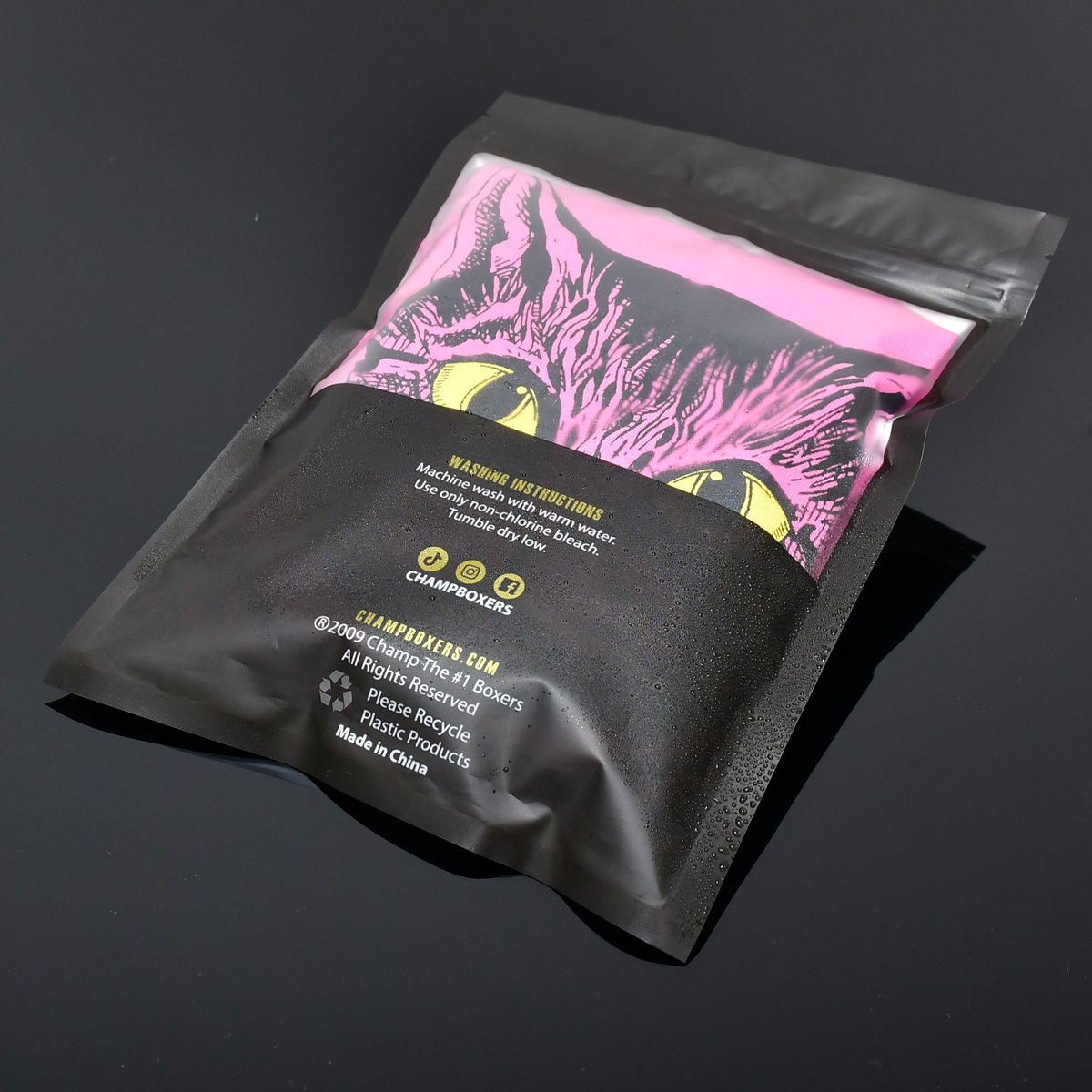
Fillers, also called fillers, can improve the strength and heat resistance of plastics and reduce costs. For example, the addition of wood flour to phenolic resin can greatly reduce the cost, making phenolic plastic one of the cheapest plastics, and significantly improve the mechanical strength. Fillers can be divided into organic fillers and inorganic fillers. The former includes wood powder, rags, paper and various fabric fibers, while the latter includes glass fiber, diatomite, asbestos, carbon black, etc. The content of filler in plastics is generally controlled below 40%. Plasticizer

Plasticizer, or plasticizer, can increase the plasticity and softness of plastics, reduce brittleness, and make plastics easy to process and shape. Plasticizers (plasticizers) are generally high boiling point organic compounds that are miscible with resins, non-toxic, odorless, light and heat stable, and the most commonly used are phthalates. For example, when producing PVC plastics, if more plasticizers are added, soft PVC plastics can be obtained. If no or less plasticizers are added stabilizer

Stabilizer mainly refers to the reagent that can keep the stability of polymer plastics, rubber, synthetic fibers, etc., and prevent them from decomposition and aging. In order to prevent the synthetic resin from being decomposed and destroyed by light and heat in the process of processing and use, and to extend its service life, a stabilizer should be added to the plastic. Stearate and epoxy resin are commonly used. The amount of stabilizer is generally 0.3-0.5% of that of plastics. Colorant
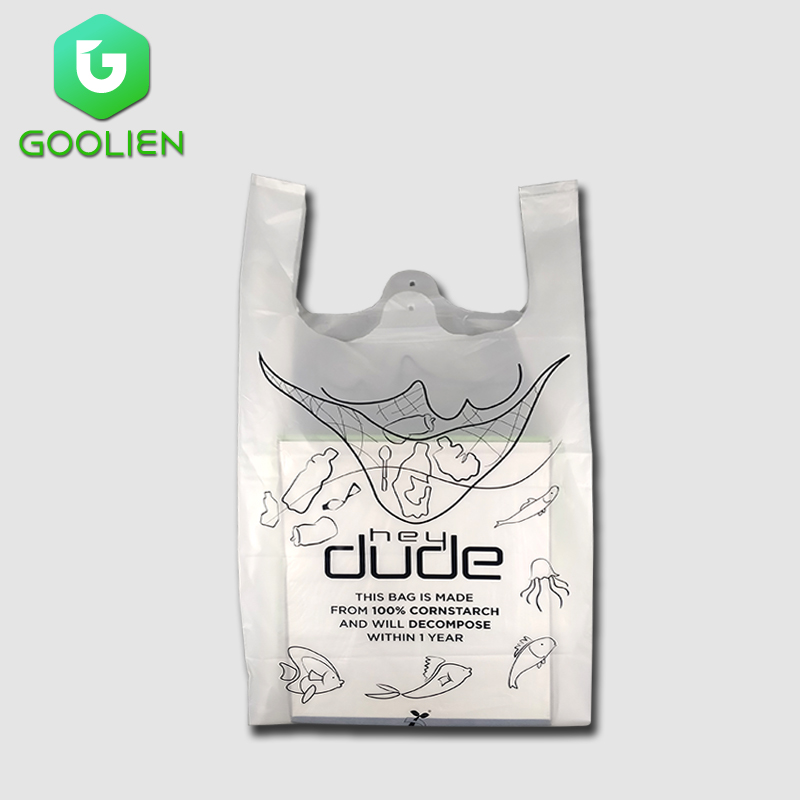
Colorants can make plastics have various bright and beautiful colors. Organic dyes and inorganic pigments are commonly used as colorants. The natural color of synthetic resin is mostly white and translucent or colorless and transparent. Colorants are often used in industrial production to increase the color of plastic products. lubricant
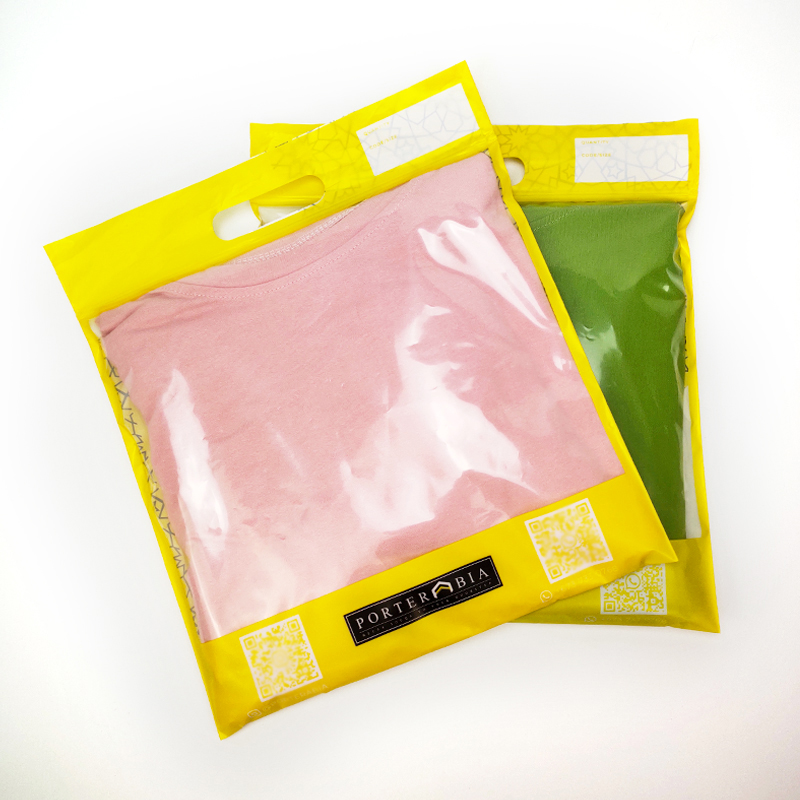
The function of the lubricant is to prevent the plastic from sticking to the metal mold during molding, and to make the plastic surface smooth and beautiful. Common lubricants include stearic acid and its calcium magnesium salts. Antioxidant

Prevent plastic from yellowing and cracking due to thermal oxidation during heating molding or high temperature use.
In addition to the above additives, flame retardant, foaming agent, antistatic agent, conductive agent, magnetic conductor, compatibilizer, etc. can also be added into the plastics. In order to meet different use requirements. Antistatic agent

Plastic is a poor conductor of electricity, so it is easy to carry static electricity. Antistatic agents can give plastic a light to medium conductivity, thus preventing the accumulation of static charges on products.