English
 简体中文
简体中文
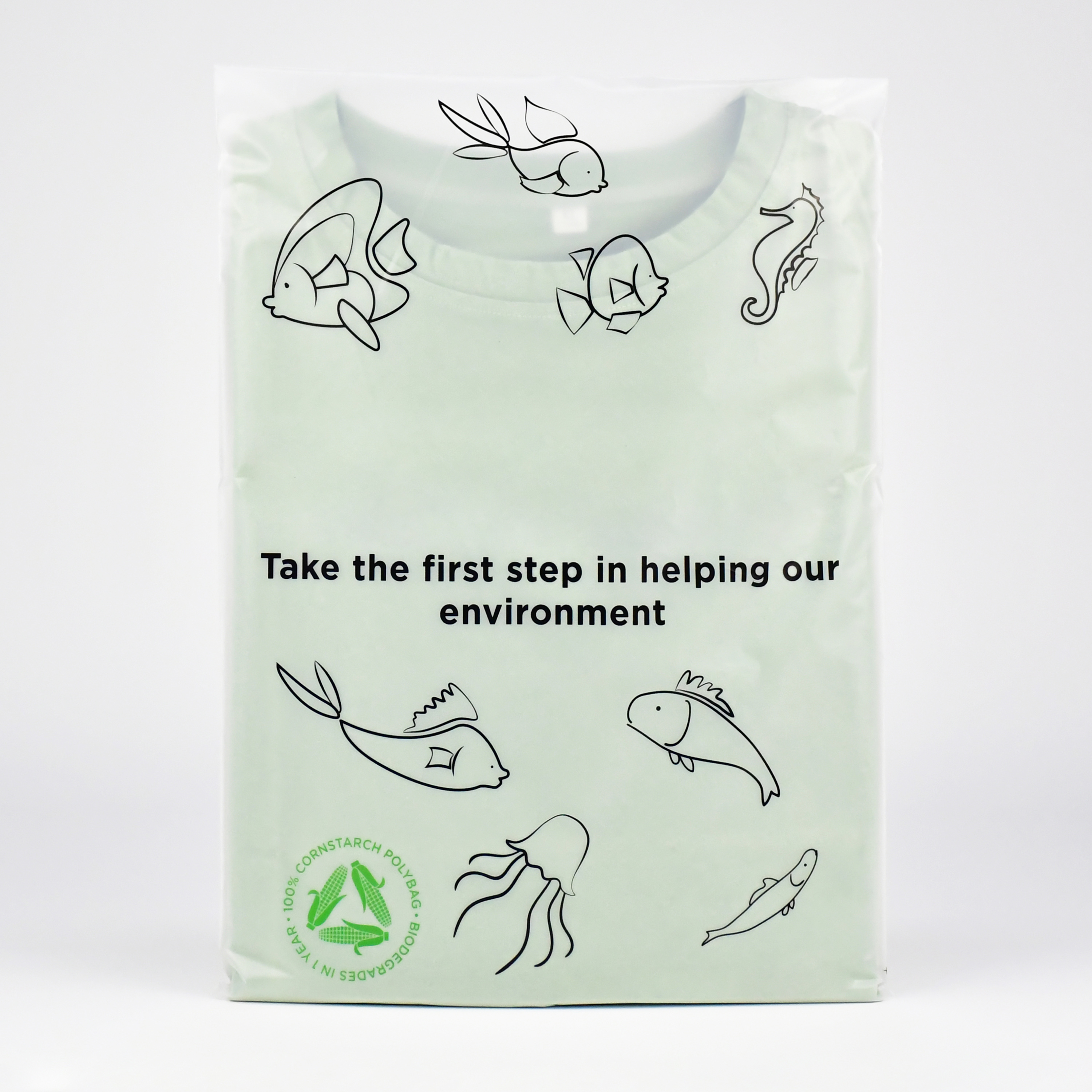
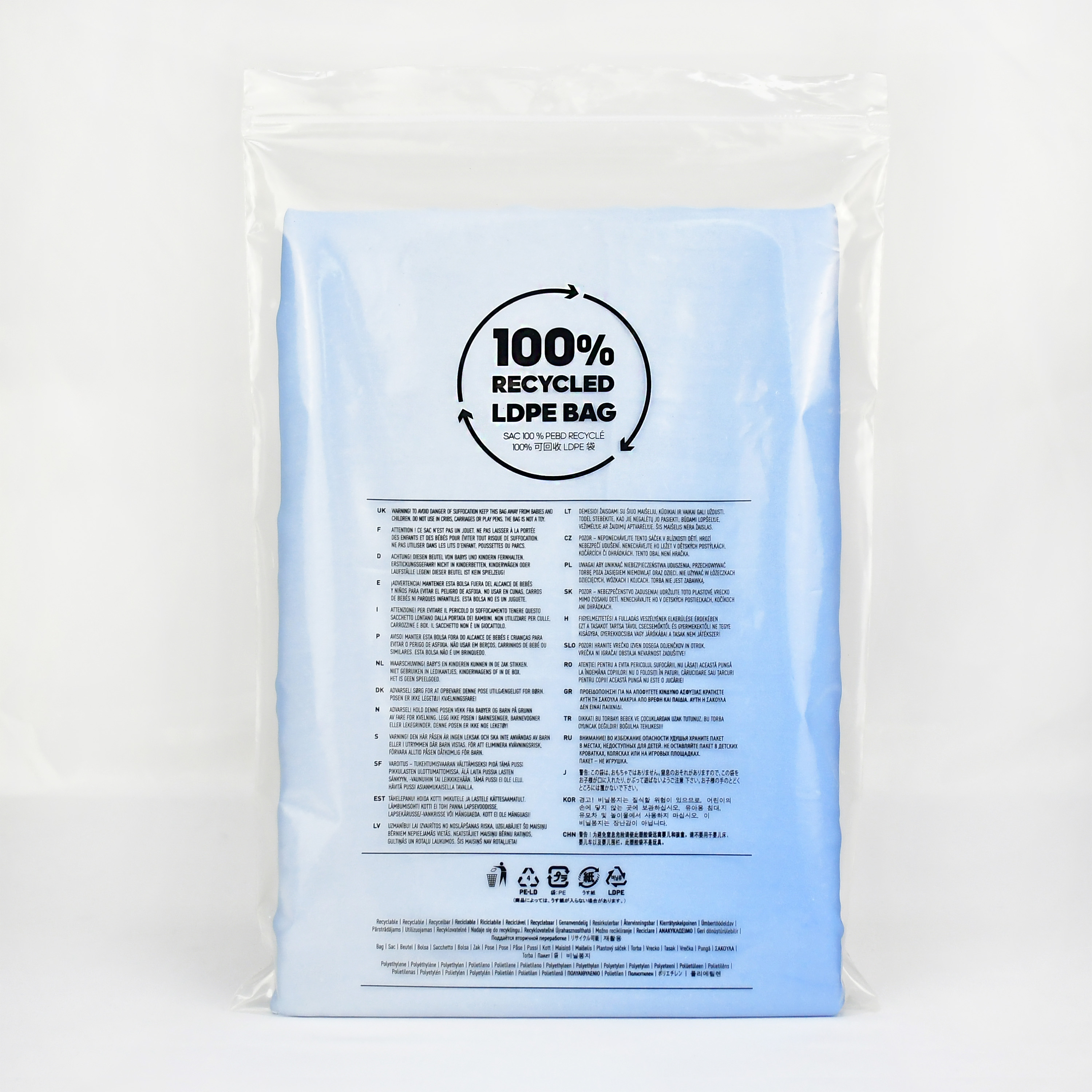
By the end of 2023, the use of non-degradable plastic bags will be banned in China's provincial bazaars
27/06/2022
In order to achieve the reduction of plastic products at the source, our province will establish a reporting system for the use and recycling of disposable plastic products, and urge and guide operators of commodity retail, e-commerce, catering, and accommodation to implement their main responsibilities. At the end of this year, the consumption of non-degradable disposable plastic tableware for food delivery in the built-up areas of districts and cities in the province dropped by 20%. All hotels, hotels and other places in the province will no longer actively provide disposable plastic products, but can provide related services by setting up self-service purchase machines and providing refillable detergents. By the end of 2023, the use of non-degradable plastic bags will be banned in the bazaars in the built-up areas of districts and cities in the province. Our province will play an exemplary role in public institutions and take the lead in reducing the use of single-use plastic products. For example, in the reception and training venues affiliated to the government, explore and carry out pilot projects of direct drinking water purifiers to replace plastic bottled water.
Our province has stepped up efforts to classify, collect and process plastic waste recyclables. Promote the integration of urban renewable resource recycling sites and domestic waste sorting sites, and rationally arrange domestic waste sorting and collection facilities and equipment in large communities, office buildings, shopping malls, hospitals, schools, venues and other places, and improve the standardization level of plastic waste recycling. At the same time, encourage e-commerce platforms (including takeaway platforms), express delivery companies, sanitation units, recycling companies, etc. to carry out multi-party cooperation, and increase efforts to standardize the recycling of plastic waste such as express packaging and takeaway lunch boxes.
Promote the orderly development of the biodegradable plastics industry. By the end of this year, the production capacity of biodegradable plastic raw materials will be increased by 200,000 tons. At the same time, enterprises that produce fully biodegradable plastic products and recycling of renewable resources will be included in strategic emerging industries, and preferential support will be given in terms of project approval, land, environmental impact assessment, and electricity prices.