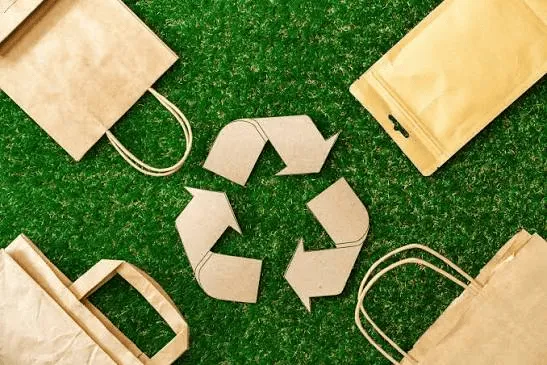
Plastic bag GRS material production process
2022-08-01

Material Handling, Recycling and Input at GRS
following are specific to the GRS, and are important in defining the
verification requirements for the 


input materials for recycling:
Material Collection
Material Collection refers to the point in the recycling lifecycle when a Reclaimed Material is collected
after its original use has ended (i.e.: it would have otherwise gone into the waste stream).
Entities involved in Material Collection may include, but are not limited to:
- Individuals who collect Post-Consumer Materials for sale to brokers
- Government organizations (e.g.: municipalities) that offer curbside recycling or operate transfer
- Brokers that purchase Pre/Post-Consumer Material from individuals, municipalities, or
- Commercial operations that collect their own Pre-Consumer Material from
- Commercial operations that collect Post-Consumer Material (e.g.: retail stores)
Material Concentration
Material Concentration refers to the point in the recycling lifecycle when a waste material receives
primary handling. This may include, but is not limited to, sorting, screening, basic contaminant removal,
or baling. Material is still unprocessed at this stage, meaning it has not been physically or chemically
altered beyond basic handling (e.g.: screening, crushing, or washing).
For example:
- Government organization (e.g.: municipality)
- Non-profit organization
- Business entity (e.g.: brokers)
Material Recycling
Material Recycling refers to the point in the recycling lifecycle when a Reclaimed Material is processed
into a Recycled Material.Global Recycled Standard
GlobalRecycled.org
Post-Consumer Material
Material generated by households or by commercial, industrial, and institutional facilities in their role as
end-users of the product that can no longer be used for its intended purpose. This includes returns of
materials from the distribution chain.1
Pre-Consumer Material
Material diverted from the waste stream during the manufacturing process. Excluded is the reutilization of
materials such as rework, regrind or scrap generated in a process and capable of being reclaimed within
the same process that generated it.2
Reclaimed Material
Material that would have otherwise been disposed of as waste or used for energy recovery, but has instead
been collected and reclaimed as a material input, in lieu of new primary material, for a recycling process.4
Recycled Content
Proportion, by mass, of Recycled Material in products or packaging. Only Pre-Consumer and
Post-Consumer Materials shall be considered as Recycled Content.
Recycled Material
Material that has been reprocessed from Reclaimed Material by means of a manufacturing process and
made into a final product or into a component for incorporation into a product.5
Safety Data Sheet (SDS)
A document accompanying a chemical product that contains information on potential hazards (e.g. health,
environmental) and how to work safely with the product.
The acronyms below are used throughout the Standard:
CCS: Content Claim Standard
GRS: Global Recycled Standard
CB: Certification Body
Certification and recycling requirements for GRS
Introduction of recycling eco bag GRS
Related Article
EU PPWR 2026: A Practical Compliance and Procurement Guide for Apparel, Footwear & Luggage Packaging

Understand multilayer co-extrusion for garment packaging: 3 vs 5 layers, material selection (PE, PA, EVOH), performance benefits, cost considerations, and supplier evaluation.
Multilayer Co-Extrusion in Garment Packaging: A Complete B2B Guide