English
 简体中文
简体中文

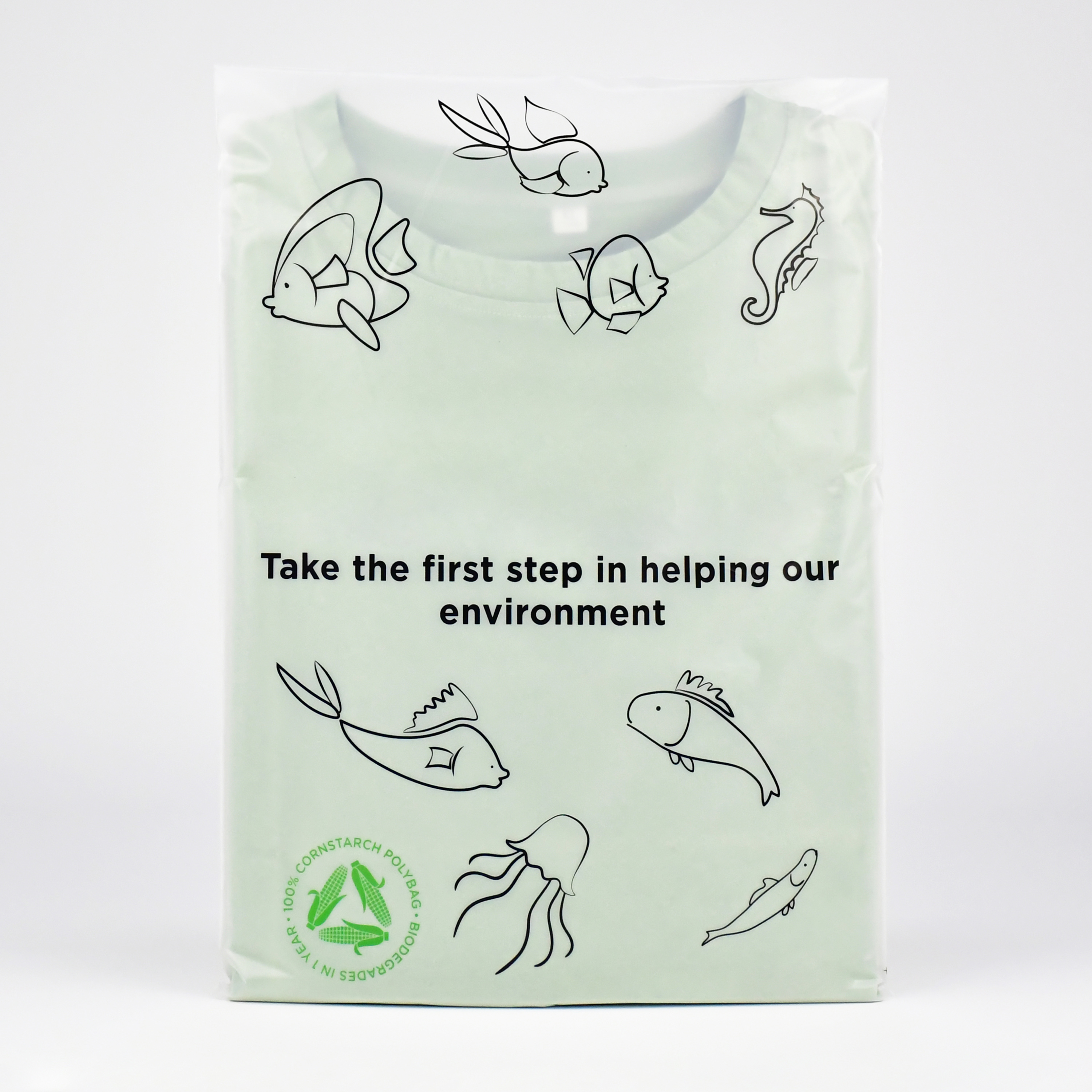
PLA Fully Biodegradable Bag Degradable Plastic Bag Zipper Bag Self-adhesive Bag Clothing Bag
Author : wing Update Time:May 21 , 2024
【 Abstract 】 :
The so-called full biodegradable packaging bag, as the name suggests, is a plastic packaging bag made of compostable biodegradable plastic by processing. The whole biodegradable packaging bag can be decomposed into carbon dioxide, water and other small molecules in a certain time under the action of natural bacteria, fungi and other microorganisms, and does not produce any toxic residues in the degradation process.
The so-called full biodegradable packaging bag, as the name suggests, is a plastic packaging bag made of compostable biodegradable plastic by processing. The whole biodegradable packaging bag can be decomposed into carbon dioxide, water and other small molecules in a certain time under the action of natural bacteria, fungi and other microorganisms, and does not produce any toxic residues in the degradation process.
The so-called full biodegradable packaging bag, as the name suggests, is a plastic packaging bag made of compostable biodegradable plastic by processing. The whole biodegradable packaging bag can be decomposed into carbon dioxide, water and other small molecules in a certain time under the action of natural bacteria, fungi and other microorganisms, and does not produce any toxic residues in the degradation process.
At present, plastic pollution is becoming increasingly serious, and the application of green environmental protection bags has been implemented in many countries.


The Difference Between Ordinary Plastic And Fully Biodegradable Plastic Bags
1. The international use of full biodegradable plastic bags status
France: France began on July 1, 2016, a total ban on plastic bags with a thickness of less than 50 microns, promoting the use of biodegradable plastic bags.
Italy: On January 1, 2011, the national ban on the use of fully biodegradable plastic bags to replace ordinary plastic bags.
The United Kingdom: The national implementation of kitchen waste classification and composting treatment, the use of fully biodegradable bags.
Germany: Traditional plastic bags levy a green point tax, that is, 1.27 euros/kg, completely biodegradable plastic bags are exempt.
Belgium: A tax reduction of 3 euros per kilogram for fully biodegradable plastic bags.
The Netherlands: Packaging plastic tax 0.4339 euros/kg, fully biodegradable plastic tax reduction 0.36 euros/kg.
How did the full biodegradable bags pushed by all countries "grow" out? How did it "disappear"? Follow the steps of Goolien Packaging, a professional flexible packaging manufacturer, to unlock the mystery of the "origin" of the full biodegradable bag.
2. Where do biodegradable plastic bags come from?
Full biodegradable plastic bags use biological base as a substrate. The raw material is made from starch or corn flour and is a renewable resource that can be completely decomposed. In addition, some modified starch materials with good ductility, elongation at break, heat resistance and impact properties make the whole biodegradable plastic bags have excellent packaging functions. Widely used in clothing, clothing, jewelry, food and other industries.
3, where the whole biodegradable plastic bags go?
Fully biodegradable bags break down into carbon dioxide, water and other small molecules that exist in nature. It takes about 180 days to decompose.
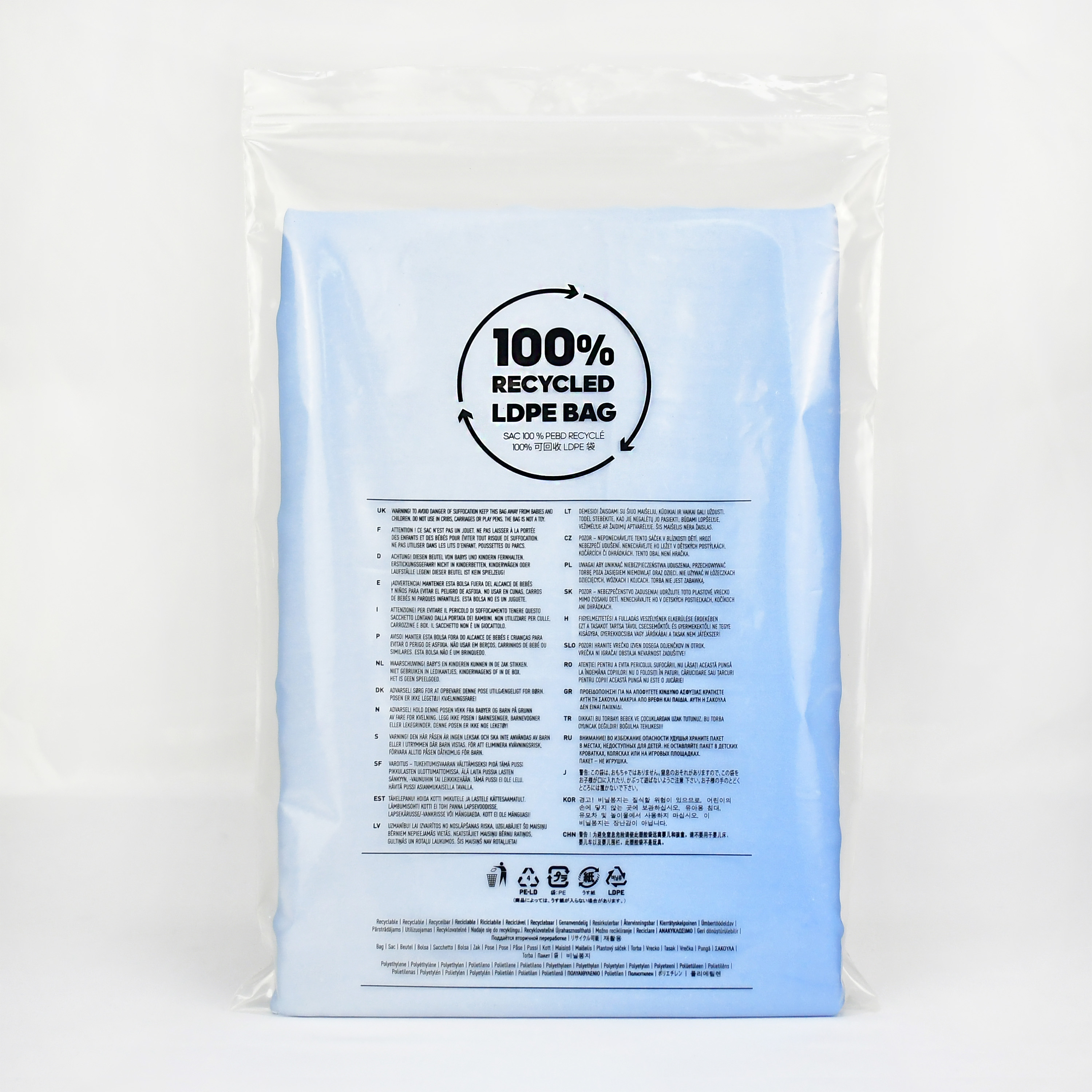
The development of full biodegradable packaging bags is the trend of The Times, and traditional plastic products will eventually be replaced by degradable products. The full biodegradable plastic bags of Dongguan Goolien Packaging Technology Co., Ltd. have undergone multiple tests and have a variety of industry qualification certifications. At the same time, Goolien packaging also has significant achievements in the field of recycling packaging bags and degradable packaging bags, and has obtained TUV, GRS, ECO, D2W and other international certifications.