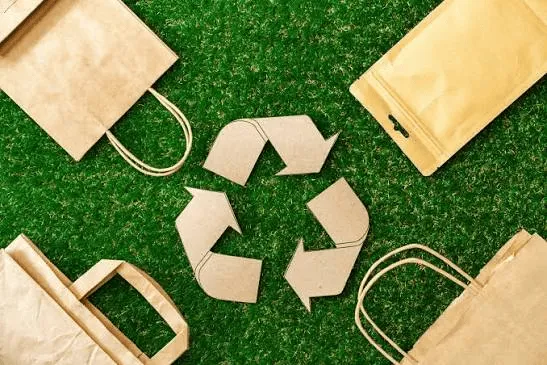
Packaging solutions for energy saving and emission reduction
2024-07-03

Packaging solutions for energy saving and emission reduction
Author : wing Update Time:July 3, 2024
We can introduce plastic ziplock bags from the following aspects, to highlight its environmental characteristics, we can elaborate from the following aspects:
1. Environmental protection considerations in material selection:
Plastic ziplock bags are made of environmentally friendly grade polyethylene or other recyclable, biodegradable materials. These materials reduce their impact on the environment during the manufacturing process and can also be recycled or degraded naturally after waste through proper treatment, thus reducing the long-term burden on the environment.
Plastic ziplock bags are made of environmentally friendly grade polyethylene or other recyclable, biodegradable materials. These materials reduce their impact on the environment during the manufacturing process and can also be recycled or degraded naturally after waste through proper treatment, thus reducing the long-term burden on the environment.
2. Design concept of recycling:
The durability and easy cleaning of plastic ziplock bags are important manifestations of their environmental protection characteristics. By highlighting these properties, we can show that they can be used over and over again, reducing waste caused by frequent packaging changes. This recycling philosophy not only saves resources, but also reduces the need for landfill and incineration, with significant positive impacts on the environment.
The durability and easy cleaning of plastic ziplock bags are important manifestations of their environmental protection characteristics. By highlighting these properties, we can show that they can be used over and over again, reducing waste caused by frequent packaging changes. This recycling philosophy not only saves resources, but also reduces the need for landfill and incineration, with significant positive impacts on the environment.

3. Energy saving and emission reduction packaging solutions:
Compared with disposable packaging materials, plastic zip-lock bags can prevent air leakage and liquid leakage more effectively when preserving food, clothing and other items, thereby reducing food waste and additional packaging needs caused by packaging damage. This efficient packaging solution contributes to the goal of energy conservation and emission reduction, reducing the carbon footprint of the entire production chain.
Compared with disposable packaging materials, plastic zip-lock bags can prevent air leakage and liquid leakage more effectively when preserving food, clothing and other items, thereby reducing food waste and additional packaging needs caused by packaging damage. This efficient packaging solution contributes to the goal of energy conservation and emission reduction, reducing the carbon footprint of the entire production chain.
4. Promotion and guidance of environmental awareness:
When introducing plastic ziplock bags, we can also emphasize their use as a carrier to promote public awareness of environmental protection. By encouraging consumers to choose reusable packaging materials, properly sorting and recycling waste, we can collectively move society in a more environmentally friendly and sustainable direction.
When introducing plastic ziplock bags, we can also emphasize their use as a carrier to promote public awareness of environmental protection. By encouraging consumers to choose reusable packaging materials, properly sorting and recycling waste, we can collectively move society in a more environmentally friendly and sustainable direction.
To sum up, highlighting the environmental characteristics of plastic ziplock bags needs to be elaborated from many aspects such as material selection, recycling design, energy saving and emission reduction effects, and the promotion of environmental awareness. By introducing these aspects, we can give consumers a more comprehensive understanding of the environmental advantages of plastic ziplock bags and encourage them to choose more environmentally friendly packaging solutions.

Biodegradation principle of ziplock bag
Plastic Ziplock Bag: A More Convenient And Efficient Life Experience
Related Article

EU PPWR 2026: A Practical Compliance and Procurement Guide for Apparel, Footwear & Luggage Packaging
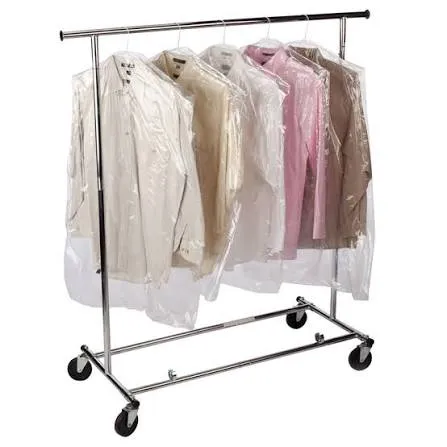
Understand multilayer co-extrusion for garment packaging: 3 vs 5 layers, material selection (PE, PA, EVOH), performance benefits, cost considerations, and supplier evaluation.
Multilayer Co-Extrusion in Garment Packaging: A Complete B2B Guide