English
 简体中文
简体中文
Notice! This bag becomes a new source of pollution
27/06/2022
△ A pile of non-woven bags hoarded in citizens’ homes
Takeaways and supermarkets have its presence
Has become an alternative to plastic bags
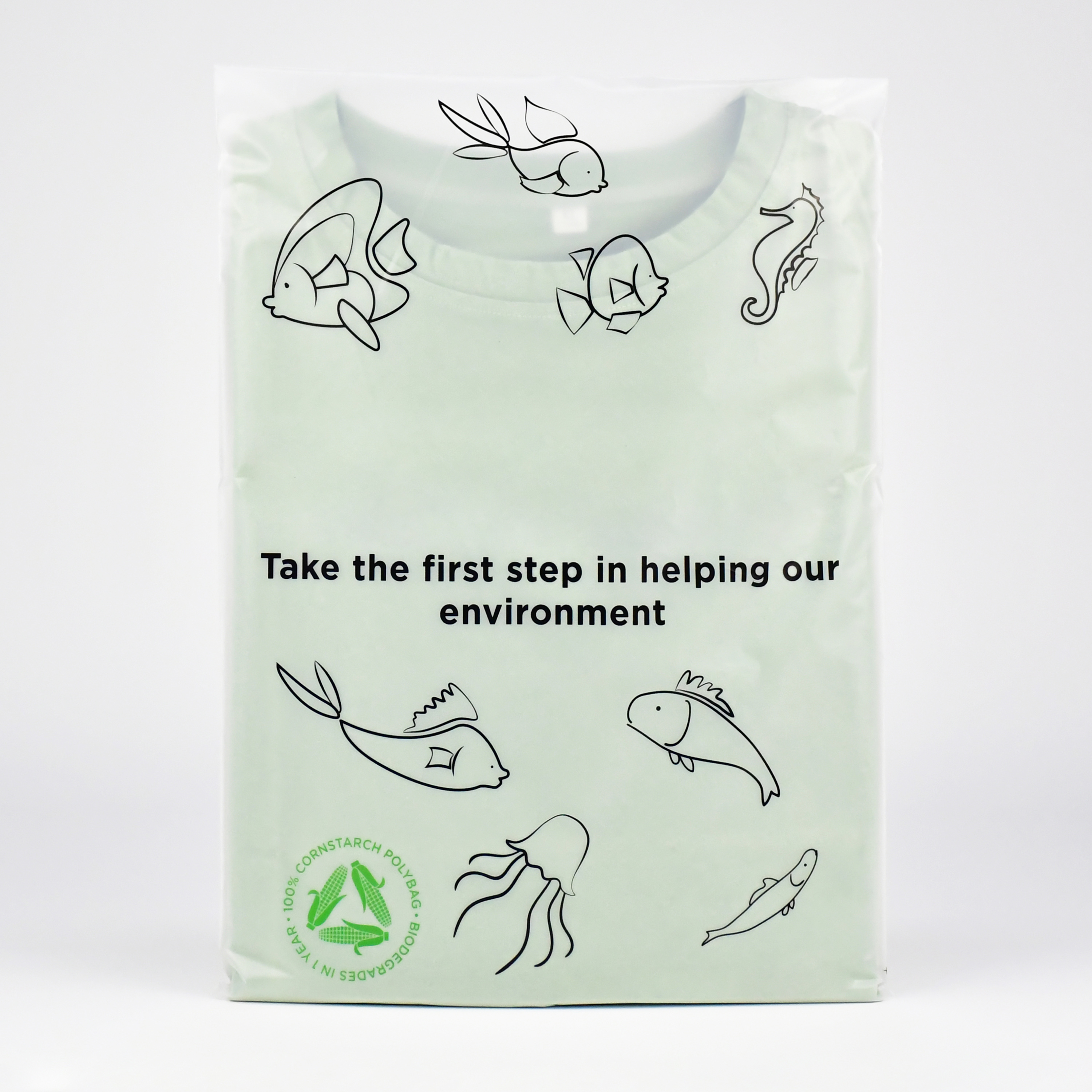
Disposable plastic shopping bags are consumables in daily life. They were once called "white pollution" because they are not degradable. After the implementation of the "Plastic Restriction Order", disposable plastic bags were gradually banned, and people began to look for various alternatives. Now, the widely used alternatives are non-woven bags, paper bags, biodegradable plastic bags.
△In front of the takeaway cabinet in an office building, there are takeaways packaged in paper bags, plastic bags, and non-woven bags.
On June 9, a reporter from Modern Express visited the market for the use of non-woven bags. Near lunch time, the reporter came to the takeaway cabinet of an office building in Xuanwu District, Nanjing. This is the busiest time for the takeaway brother, going in and out here, scanning the code in the cabinet to store meals.
The reporter noticed that most of the packaging used by merchants is degradable plastic bags, but about 15% of the merchants still use non-woven bags to pack lunch boxes. Consumers who are picking up their meals said: "The non-woven bags are usually packaged by big-name chain merchants. The packaging looks quite tall, and I order it once in a while." When the reporter asked, these take-out non-woven bags When it comes to how to deal with it, most consumers bluntly say "it's usually thrown away".
△ Non-woven bags for takeaway
In supermarkets, non-woven bags are also a favorite of consumers. In a comprehensive supermarket in Yuhuatai District, Ms. Yin, a citizen, was scanning the QR code to check out. She took out the non-woven bag she carried with her and used it to store the related items she purchased. "This bag was issued by a pharmacy. I think it is quite strong and has been used all the time." Ms. Yin admitted that there are many similar non-woven bags at home, most of which are distributed at events, and some are from merchants Giveaway.
In the streets and alleys, you can also see many citizens traveling with non-woven bags. After the implementation of the "plastic restriction order", non-woven bags have entered thousands of households and have been widely used.
Non-woven fabrics are essentially plastic
Even more difficult to degrade than plastic bags
On March 9, 2021, the "Research Report on the Consumer Side of the New Regulations on Banning and Restricting Plastics in the Yangtze River Delta" released by the Shanghai Consumer Protection Committee showed that 76.4% of the respondents said that they had non-woven bags at home, and 42.6% of the respondents It is said that "the quality is poor" and "it does not look good" so they do not use it. About 30% of the respondents are willing to use non-woven environmental protection bags.
△ Citizens carry non-woven bags
Although the non-woven bag has a large coverage, its identity has been "questioned". A few days ago, some environmentalists pointed out that non-woven bags are also plastic pollution. Is this statement correct? The Modern Express reporter found an industry expert, Yu Peng, the head of Nanjing Pengli Shaping Technology Co., Ltd. of China Shipbuilding Industry Corporation, which specializes in new polymer functional materials. He gave the reporter a more detailed explanation.
Non-woven fabrics, the standard name is non-woven fabrics. my country's national standard GB/T 5709-1997 "Textile Nonwovens Terminology" defines nonwovens as: "oriented or randomly arranged fibers, which are combined with each other by friction, cohesion, or adhesion, or a combination of these methods. Sheets, webs or batts.” In simple terms, non-woven fabrics are plastic particles that have been processed and spun into so-called “cloth”.
Yu Peng said that in the eyes of the public, "non-woven fabrics" are regarded as green and environmentally friendly materials because of the word "cloth" in their names. At present, the common biodegradable shopping bag raw materials on the market should be polybutylene terephthalate-adipate (PBAT) and polylactic acid (PLA). "But in fact, the main raw material for non-woven fabrics is polypropylene, referred to as PP material. That is to say, the essence of non-woven bags is plastic products." It seems that non-woven fabrics really have nothing to do with "cloth". .
Yu Peng also provided reporters with such a set of data, which came from the Professional Committee of Degradable Plastics of China Plastics Association. After evaluating all aspects of the production process of various shopping bags, we finally get their life cycle evaluation in the process of production and use. Modern Express reporters found that the material consumption of the non-woven bag (used once) is 24.96 kg, the energy consumption is 127.64 kg of standard coal, the greenhouse gas emission is 101.92 kg of CO2, and the solid waste generated is 34.3 grams. The four data of disposable plastic shopping bags were 3.12, 7.17, 6.08, and 4.6 respectively. If the non-woven bag is only used once, the energy consumption of a single non-woven bag is 17.8 times that of a single-use plastic bag, and the emission is 16.7 times that of a single-use plastic bag.
Not only that, Yu Peng said that the thickness of common non-woven bags in China is thin, about 0.1-1.0mm, and the durability is poor, which also leads to higher energy consumption and emissions, which is not conducive to environmental protection.
Strengthen management and publicity
Include non-woven bags into the scope of the plastic restriction order
For a long time, plastic pollution control, as a very important aspect of protecting the environment, has been regulated by a series of documents from the state to the locality.
On January 16, 2020, the "Opinions of the National Development and Reform Commission and the Ministry of Ecology and Environment on Further Strengthening the Control of Plastic Pollution" (hereinafter referred to as the "Opinions") were officially released; on September 8, 2021, the National Development and Reform Commission and the Ministry of Ecology and Environment The "14th Five-Year Plan" Action Plan for Plastic Pollution Control was issued.
According to the issued document, "degradable" is a countermeasure against single-use non-recyclable plastics. For those that are required to be degradable, only a few disposable non-recyclable plastic products have been selected as implementation objects: plastic shopping bags, express bags, straws, and lunch boxes. A wider range of disposable non-recyclable plastics will be gradually advanced when the time is ripe, and eventually full coverage will be formed.
However, in the specific implementation process, the phenomenon of non-woven fabrics being abused has aroused objections from many environmentalists. Article 3 "Promotion and Application of Alternative Products" (6) in the "Opinions" clearly states: "In shopping malls, supermarkets, pharmacies, bookstores and other places, promote the use of environmentally friendly cloth bags, paper bags and other non-plastic products and degradable shopping bags." Here The environmentally friendly cloth bags mentioned must be non-plastic products, and non-woven bags obviously do not meet this condition.
"I hope the relevant departments can strengthen the management, and at the same time, the popular science and publicity of the citizens must also keep up." Yu Peng said in an interview with a reporter from the Modern Express that the more urgent thing now is to refine the industry regulations, which do not meet the requirements. Non-woven bags are expected to be included in the scope of the plastic restriction order.