Multilayer Co-extrusion Technology: A Complete Guide for Apparel Packaging Buyers
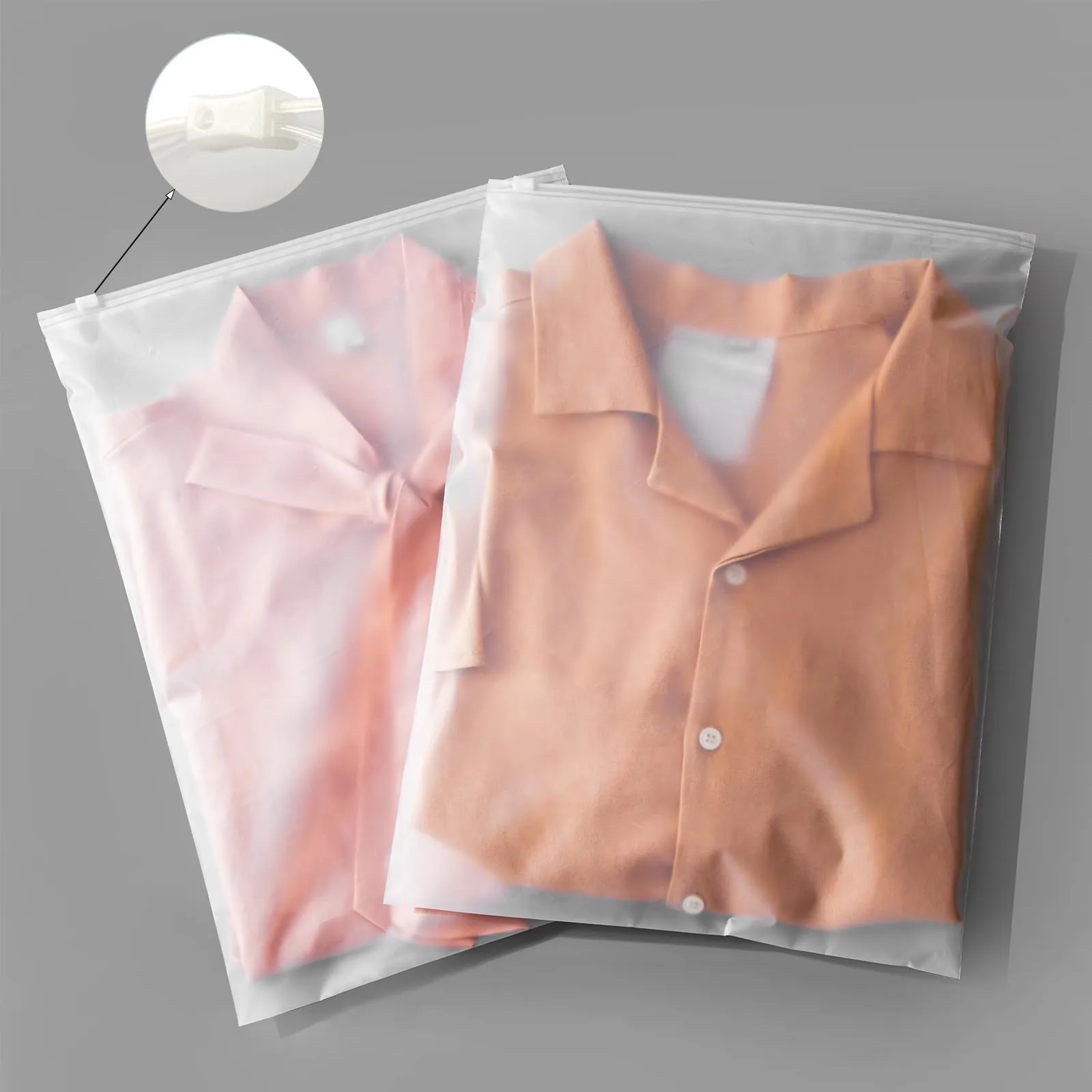
Today's packaging requirements go far beyond basic containment. A garment bag may need to provide moisture resistance for ocean freight, high-quality printing for brand presentation, reliable sealing for automated packing lines, and improved durability for warehouse handling — all while controlling material costs.
A single plastic material cannot deliver all these functions effectively. This is why packaging manufacturers use multilayer co-extrusion: a technology that combines different polymers into a single engineered film, where each layer performs a specific function.
This guide explains how multilayer co-extrusion works, the materials used, common structures (3-layer, 5-layer, 7-layer), key quality parameters, and most importantly — how buyers can evaluate supplier capability and select the right structure for their application.
Table of Contents
- 1. What Is Multilayer Co-extrusion?
- 2. How Does the Co-extrusion Process Work?
- 3. Key Materials Used in Multilayer Films
- 4. 3-Layer vs 5-Layer vs 7-Layer Structures
- 5. Co-extrusion vs Lamination: What's the Difference?
- 6. Why Multilayer Structures Are Used in Apparel Packaging
- 7. Manufacturing Process & Quality Control
- 8. How to Choose the Right Multilayer Structure
- 9. Supplier Evaluation: Technical Questions to Ask
- 10. Frequently Asked Questions
What Is Multilayer Co-extrusion?
Multilayer co-extrusion is an advanced film manufacturing process that combines two or more polymer materials into a single film during extrusion. Instead of using one material to provide all functions, each layer is engineered for a specific purpose.
A typical multilayer film may contain:
- Outer layer — Print surface, scratch resistance, appearance
- Functional layer — Barrier performance, strength, or protection
- Tie layer — Adhesion between incompatible materials
- Inner seal layer — Heat sealing, product contact
For apparel packaging, the most common structures are PE-based, with additional layers added when the application demands higher strength, better barrier, or improved appearance.
How Does the Co-extrusion Process Work?
The co-extrusion process involves several controlled stages. Each stage affects the final film quality.
Step 1: Material Selection
Engineers select polymers based on the required packaging performance — flexibility, strength, barrier, sealing, and cost. The material combination is the foundation of the entire structure.
Step 2: Individual Polymer Melting
Each polymer is fed into a separate extruder, where it is melted at its specific processing temperature. Different polymers require different temperatures — controlling this precisely is critical for layer integrity.
Step 3: Layer Combination Through the Co-extrusion Die
The molten polymers enter a specialized die system where they are combined into a multilayer structure. The die determines:
- Layer sequence
- Thickness ratio between layers
- Overall film width
Step 4: Cooling & Film Stabilization
The combined film is cooled and stabilized. Quality is monitored through thickness measurement, surface inspection, and layer adhesion testing.
Key Materials Used in Multilayer Films
| Material | Primary Function | Key Advantage | Limitation |
|---|---|---|---|
| PE (LDPE/LLDPE) | Flexibility, sealing | Low cost, excellent sealability | Limited barrier performance |
| HDPE | Strength, stiffness | Higher tensile strength | Less flexible than LDPE |
| PP | Clarity, stiffness | Excellent transparency, heat resistance | Lower flexibility |
| EVOH | Oxygen barrier | Outstanding gas barrier | Moisture-sensitive, higher cost |
| PA (Nylon) | Mechanical strength | High puncture & tear resistance | Higher material cost |
| Tie Layer | Layer adhesion | Bonds incompatible polymers | Adds complexity and cost |
3-Layer vs 5-Layer vs 7-Layer Structures
The number of layers is often overemphasized in packaging sales. More layers do not automatically mean better packaging. The right structure depends on your application.
| Structure | Typical Configuration | Best For | Relative Cost |
|---|---|---|---|
| 3-Layer | PE / PE / PE (or PE / Recycled / PE) | Basic garment packaging, domestic shipping, cost-sensitive applications | 1.0× – 1.3× (vs single-layer) |
| 5-Layer | PE / Tie / EVOH or PA / Tie / PE | Export packaging, premium garments, improved durability | 1.5× – 2.5× |
| 7-Layer | PE / Tie / PA / Tie / EVOH / Tie / PE | High-performance applications, specialty products, maximum protection | 3.0× – 5.0× |
Which Structure Should Apparel Businesses Choose?
- 3-layer PE — Sufficient for most T-shirts, casual wear, and domestic distribution
- 5-layer PE — Recommended for export shipments, higher durability needs
- 5-layer with EVOH/PA — Only when products require oxygen/odor barrier or extreme strength
- 7-layer — Niche applications with specific technical requirements
Co-extrusion vs Lamination: What's the Difference?
Both technologies create multilayer packaging, but they are fundamentally different.
| Feature | Co-extrusion | Lamination |
|---|---|---|
| Timing | Layers combined during film production | Existing films bonded together afterward |
| Bonding | Polymer fusion (with tie layers) | Adhesive bonding |
| Structure Control | Designed during extrusion | Depends on materials laminated |
| Typical Use | High-performance flexible films | Printed packaging, multi-material combos |
Why Multilayer Structures Are Used in Apparel Packaging
1. Improved Mechanical Strength
Multilayer structures can significantly improve tear resistance, puncture resistance, and overall durability — especially important for export shipments and heavy garments.
2. Better Moisture Protection
PE-based multilayer films provide reliable moisture resistance, protecting garments during ocean freight and warehouse storage.
3. Enhanced Appearance & Print Quality
Specialized outer layers provide a smooth, high-quality surface for branding, logos, and product information — critical for retail and DTC fashion.
4. Material Efficiency
Multilayer design allows manufacturers to place expensive materials only where needed, reducing overall material cost while maintaining performance.
Manufacturing Process & Quality Control
Understanding quality control helps buyers evaluate supplier reliability.
Key Quality Parameters to Monitor
| Parameter | Why It Matters | Typical Supplier Capability |
|---|---|---|
| Layer thickness control | Affects material cost and performance consistency | ±5-8% (good); ±3% (excellent) |
| Layer adhesion (tie layer integrity) | Prevents delamination during use | Measured via peel strength tests |
| Seal strength | Ensures bag integrity during packing and shipping | ≥2.5 N/15mm for PE seals |
| Film thickness consistency | Directly impacts strength and material usage | Online thickness monitoring |
How to Choose the Right Multilayer Structure
A 5-Step Decision Framework for Buyers
Step 1 — Define your product protection needs
- What garment types? Weight? Value?
- What risks does packaging need to prevent? (dust, moisture, tearing, crushing)
Step 2 — Map your supply chain conditions
- Domestic or international shipping?
- Estimated shipping duration and climate exposure?
- Storage duration and environment?
Step 3 — Identify branding and customer experience requirements
- Does the packaging need high-quality printing?
- Is packaging appearance part of the brand experience?
Step 4 — Evaluate cost vs. benefit
- Calculate total cost: (unit price × volume) + (failure rate × product value) + (customer complaint cost)
- Compare 3-layer vs 5-layer vs 7-layer options
Step 5 — Select a supplier with verified capability
- Use the Technical Questionnaire below
- Request samples and test them in your actual environment
Quick Reference: Structure Selection Guide
| Application | Recommended Structure | Key Reason |
|---|---|---|
| Basic T-shirts, domestic retail | 3-layer PE | Cost-efficient, sufficient protection |
| Export garments, standard ocean freight | 3-5 layer PE (enhanced) | Improved tear and moisture resistance |
| Premium apparel, retail brand | 5-layer with optimized outer layer | Better print quality and appearance |
| High-value/technical garments | 5-7 layer with PA/EVOH as needed | Maximum protection |
Need Help Choosing the Right Multilayer Structure?
Our technical team can analyze your packaging requirements and recommend an optimized layer design — balancing performance, cost, and sustainability. Free consultation and sample evaluation available.
Request a Packaging Consultation →💬 Response within 2-4 hours. Technical support for B2B buyers.
Supplier Evaluation: Technical Questions to Ask
Not all co-extrusion suppliers have the same capability. Use this questionnaire to evaluate potential partners.
10 Technical Questions for Multilayer Co-extrusion Suppliers
- What co-extrusion equipment do you operate? (Brand, model, age, and maximum layer capacity)
- What is your typical layer thickness control tolerance? (±5% or better is industry standard for quality production)
- Do you have online thickness monitoring and layer distribution inspection? (Critical for consistency)
- Can you provide material specifications (TDS) and safety data sheets (MSDS) for all layers?
- What seal strength testing do you perform, and what are your typical results?
- Have you developed custom multilayer structures for apparel brands before? (Request examples)
- Can you provide samples for production line testing before a full order?
- What quality certifications do you hold? (ISO 9001, GRS, etc.)
- How do you handle material traceability and batch consistency?
- Do you offer mono-material (recyclable) multilayer options?
- ❌ Supplier cannot explain the function of each layer
- ❌ No thickness or seal strength test data available
- ❌ Unwilling to provide samples for testing
- ❌ Claims "more layers is always better" without explaining why
- ❌ Cannot provide material composition or certification documentation
Frequently Asked Questions
What is multilayer co-extrusion technology?
It is a manufacturing process that combines two or more polymer materials into a single film during extrusion. Each layer provides a specific function — such as sealing, strength, barrier, or print surface.
What materials are used in multilayer packaging films?
Common materials include PE (flexibility, sealing), PP (clarity, stiffness), EVOH (oxygen barrier), PA/Nylon (mechanical strength), and tie layers (adhesion between incompatible materials).
What is the difference between 3-layer, 5-layer, and 7-layer films?
More layers allow for more specialized functions — such as adding barrier or strength layers. However, more layers are not always necessary. For standard apparel packaging, a 3-layer PE structure is often sufficient. Additional layers are only needed for export, premium, or high-protection applications.
Is co-extrusion better than lamination?
Neither is universally better. Co-extrusion is generally preferred for high-volume, consistent-performance applications like apparel bags. Lamination is more suitable when combining different substrate types (e.g., film + foil).
How should apparel businesses choose between single-layer and multilayer packaging?
Choose single-layer for basic, cost-sensitive applications with short supply chains. Choose multilayer when you need improved strength, barrier, appearance, or protection for export or premium products.
Are multilayer films recyclable?
Recyclability depends on the material structure. Traditional mixed-material multilayer films are more difficult to recycle. However, mono-material PE multilayer structures are increasingly available and designed for recyclability.
What equipment do professional co-extrusion manufacturers use?
High-quality co-extrusion lines typically come from German manufacturers (Windmöller & Hölscher, Reifenhäuser), Italian manufacturers (Macchi), or Japanese manufacturers (Mitsubishi). Ask your supplier about their equipment brand — it's a strong indicator of capability.
Conclusion: Making a Capability-Based Decision
Multilayer co-extrusion is a powerful technology that enables packaging manufacturers to engineer films with balanced performance, cost, and functionality. For apparel buyers, understanding this technology is not about becoming a film engineer — it's about asking the right questions, evaluating supplier capability, and avoiding unnecessary complexity.
The best packaging structure is not the one with the most layers. It is the one that matches your product requirements, supply chain conditions, and brand goals while using materials efficiently.
By using the 5-step decision framework, the technical questionnaire, and the supplier red flags outlined in this guide, apparel buyers can make more informed packaging decisions — and partner with suppliers who deliver consistent quality, not just sales pitches.
Ready to Source Multilayer Packaging with Confidence?
Talk to our packaging specialists for a technical review of your current packaging, a recommendation on the optimal layer structure, and a no-obligation sample evaluation.
Multilayer Co-extrusion Technology for Plastic Packaging Bags: Complete B2B Guide
Fully Biodegradable Bags: Complete Guide to Applications, Materials & Selection for Apparel Packagin
Related Article