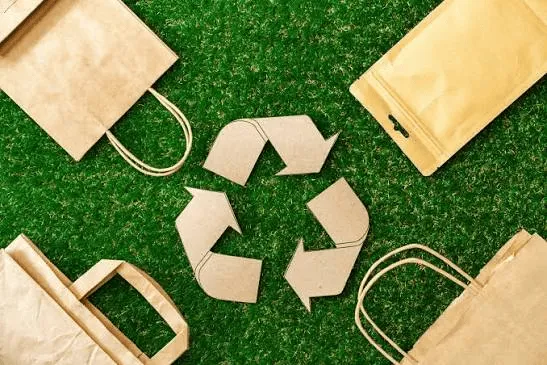
Brief Introduction of Triangular Plastic Ware
2023-01-10

Brief Introduction of Triangular Plastic Ware
PETPolyethylene terephthalate (polyester)
"No. 1" PET is commonly used in mineral water bottles, carbonated beverage bottles, etc.
Use: Heat resistant to 65 ℃, cold resistant to - 20 ℃. It is only suitable for filling warm or frozen drinks. If it is filled with high-temperature liquid or heated, it is easy to deform, and substances harmful to human body will melt out. Moreover, scientists found that after 10 months of use, No. 1 plastic may release the carcinogen DEHP, which is toxic to the testes.
Therefore, when the drink bottle is used up, throw it away, and do not use it as a water cup or a storage container to carry other items, so as to avoid causing health problems.
Note: Do not recycle hot water in beverage bottles. Do not put it in the car to bask in the sun; Do not contain alcohol, oil and other substances.
HDPE

"No.2" HDPE is commonly used for packaging of cleaning products and bath products.
Use: It can be reused after careful cleaning, but these containers are usually not easy to clean. The original cleaning products remain and become a hotbed of bacteria. You'd better not recycle them. Do not use it as a water cup or as a storage container for other items.
Note: It is difficult to clean thoroughly, and it is recommended not to recycle
PVC
polyvinyl chloride
"No. 3" PVC is commonly used in: common raincoats, building materials, plastic films, plastic boxes, etc. Rarely used in food packaging.
Use: This material has good plasticity and low price, so it is widely used. It can only resist heat at 80 ℃, and it is easy to produce harmful substances at high temperatures, even toxic substances will be released during manufacturing. If it enters the human body with food, it may cause breast cancer, congenital defects of newborns and other diseases. Containers of this material have been less used for packaging food. If used, never let it get hot. It is difficult to clean and easy to remain. Do not recycle. Don't buy any drinks.
Note: It cannot be used for food packaging.
LDPE
low density polyethylene
"No.4" LDPE is commonly used for: fresh-keeping film, plastic film, etc.
Use: The heat resistance is not strong. Generally, the qualified PE fresh-keeping film will melt when the temperature exceeds 110 ℃, leaving some plastic agents that cannot be decomposed by the human body. The oil in food can also easily dissolve the harmful substances in the fresh-keeping film. Therefore, when food is put into the microwave oven, the wrapped plastic wrap should be removed first. Harmful substances are produced at high temperature, which may cause breast cancer, congenital defects of newborns and other diseases after entering the human body with food.
Note: Use the microwave oven to heat, do not wrap food with plastic wrap.
PP
polypropylene
"No. 5" PP is commonly used in soymilk bottles, yogurt bottles, juice drink bottles, microwave oven lunch boxes.
Use: The common melting point is up to 167 ℃, which is the only plastic box that can be safely put into the microwave oven. It can be reused after careful cleaning. Special attention should be paid to some microwave oven lunch boxes. The box body is indeed made of No. 5 PP (special PP for microwave oven can withstand 120 ℃ and - 20 ℃). However, due to the high cost, the cover is generally made of No. 1 PET instead of special PP. Since PET cannot withstand high temperature, it cannot be put into the microwave oven together with the box body. To be on the safe side, remove the cover before putting the container into the microwave oven.
Note: Remove the cover when putting into the microwave oven.
PS
polystyrene
"No. 6" PS is commonly used for bowl packed instant noodles boxes and fast food boxes.
Don't use the microwave to cook instant noodles
Use: It is heat-resistant and cold resistant, but cannot be put into the microwave oven to avoid releasing chemicals due to high temperature (it will be released when the temperature is 70 ℃). And it can not be used to contain strong acid (such as orange juice), strong alkaline substances, because it will decompose into polystyrene which is bad for human body and easy to cause cancer. Therefore, you should try to avoid packing hot food in fast food boxes.
Note: Do not use the microwave to cook instant noodles.
PC
Other plastics
"No.7" PC is often used in other categories: water bottles, cups and milk bottles.
Use: A kind of material widely used, especially in milk bottles, is controversial because it contains bisphenol A. Lin Hanhua, an associate professor in the Department of Biology and Chemistry of City University of Hong Kong, said that theoretically, as long as BPA is converted into plastic structure 100% during the process of making PC, it means that the products have no BPA, let alone release it. However, if a small amount of bisphenol A is not converted into the plastic structure of PC, it may be released into food or drink. Therefore, it is important to be careful when using this plastic container.
Cleaning measures for bisphenol A
The higher the temperature is, the more bisphenol A is released and the faster the speed is. Therefore, PC water bottle should not be used to hold hot water to avoid increasing the release rate and concentration of bisphenol A (if any). If your water bottle is numbered 7, the following methods can reduce the risk:
● Do not heat when using.
● Do not use dishwasher or dish dryer to clean the kettle.
● Keep the kettle out of direct sunlight.
● Before the first use, wash with baking soda powder and warm water, and dry naturally at room temperature. Because bisphenol A will release more in the first use and long-term use.
● If the container is damaged, it is recommended to stop using it, because if there are slight pits on the surface of plastic products, it is easy to hide bacteria.
● Avoid repeated use of aged plastic appliances.

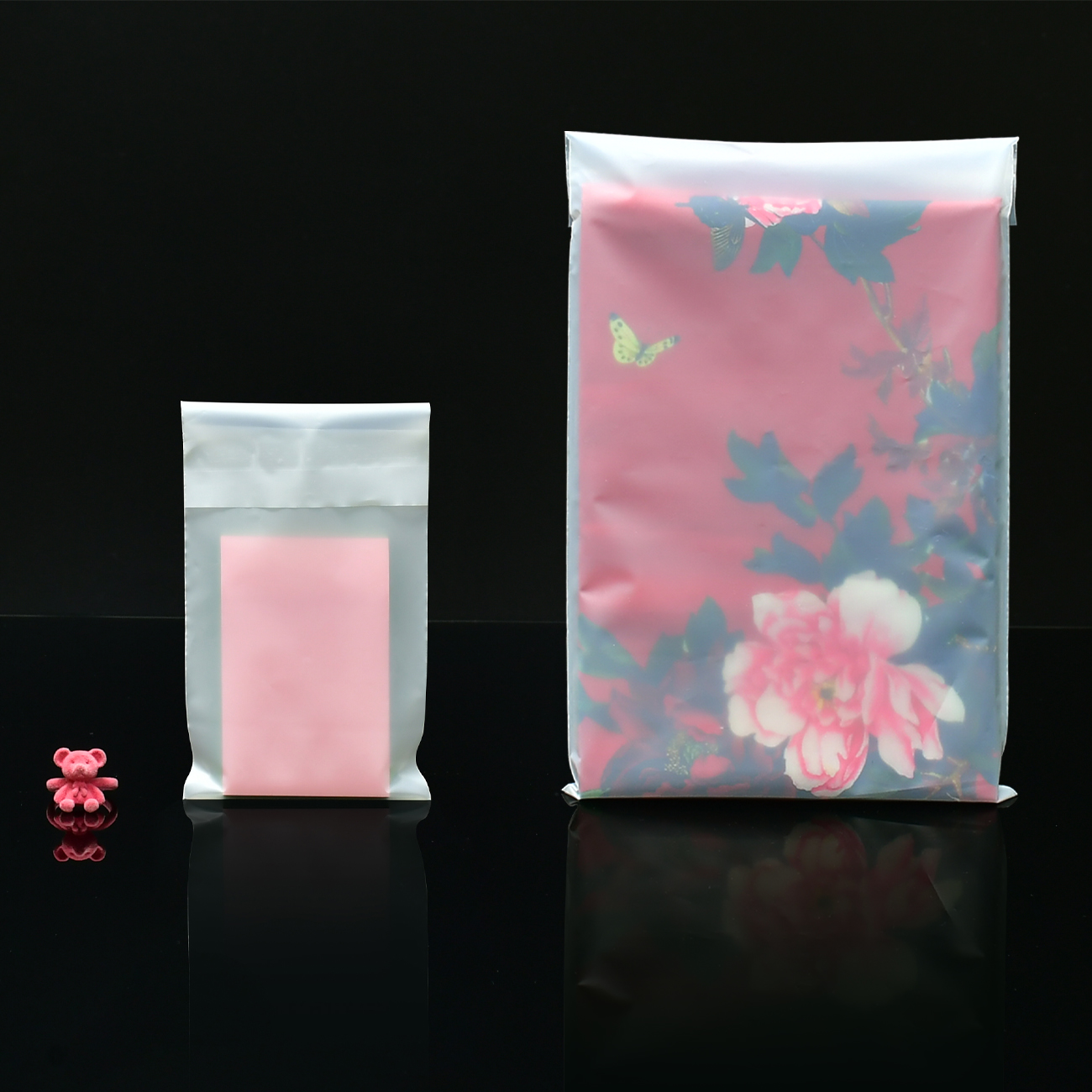
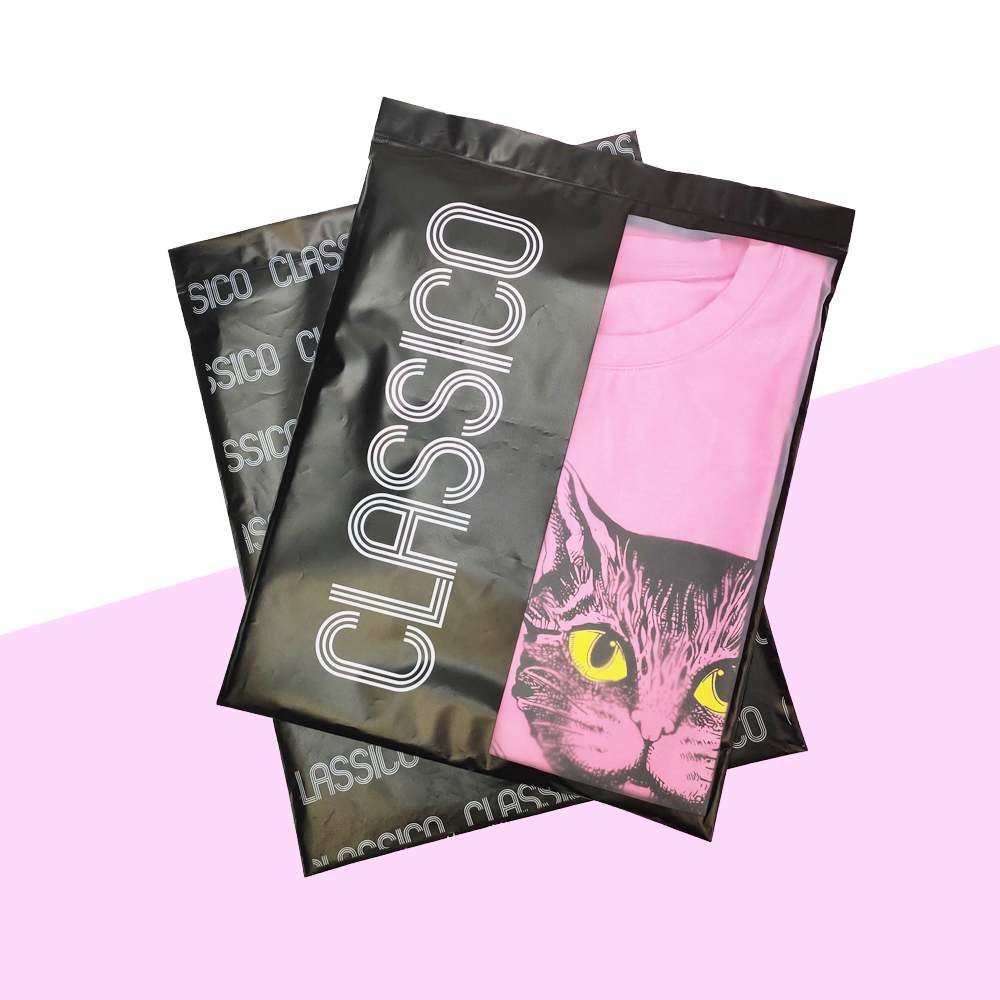
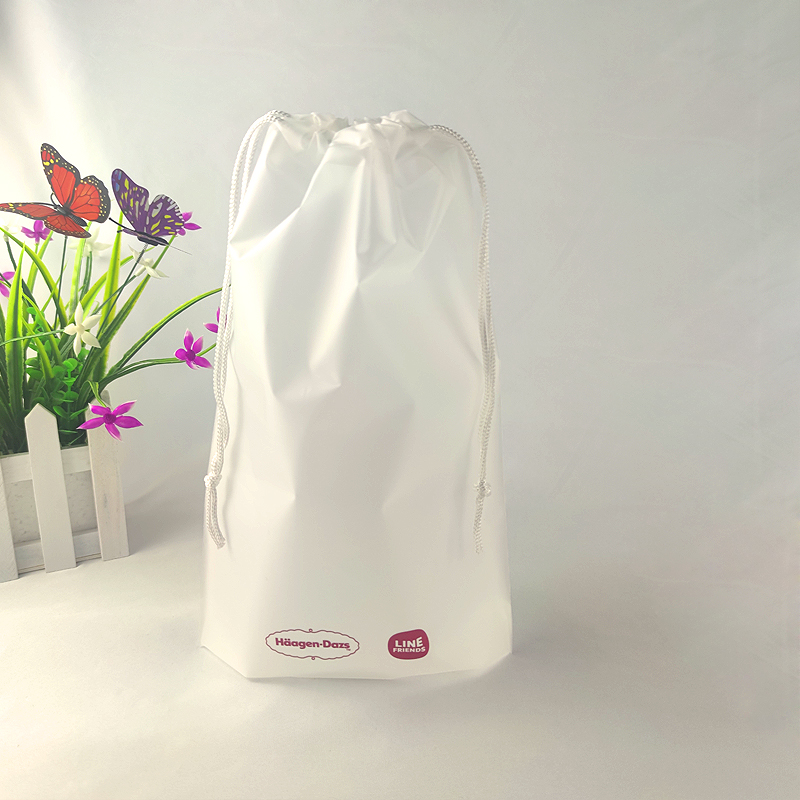
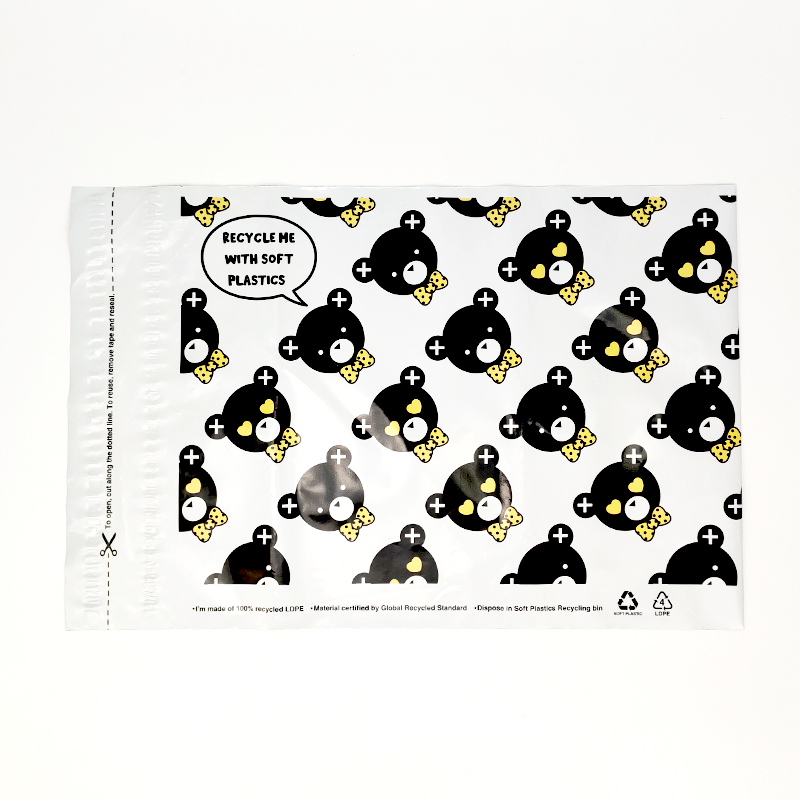
Main materials of the company: GRS recycled environmental protection clothing bags, oxidation biological degradation bags, landfill degradation bags, PLA+PBAT compost degradation bags, LDPE/PP/OPP/HDPE, etc.
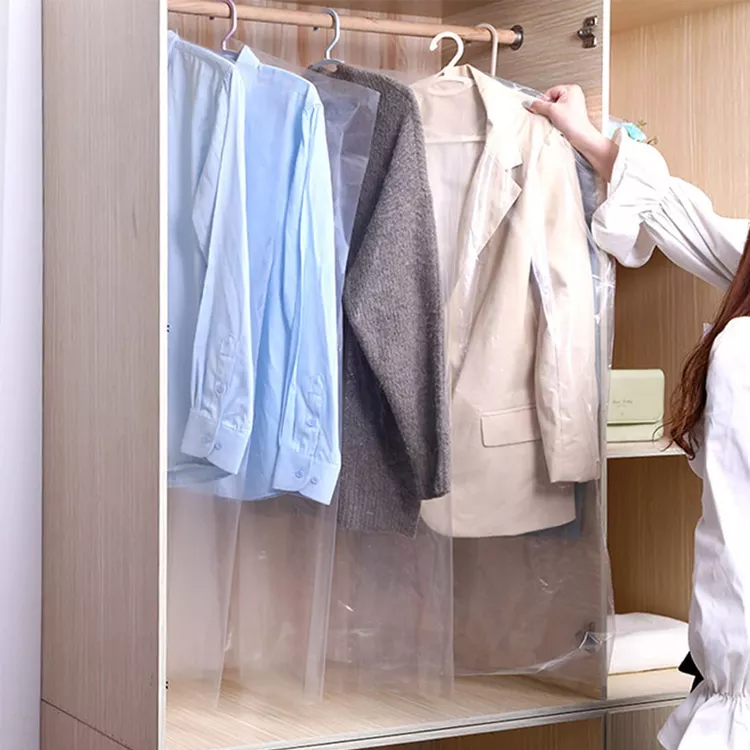
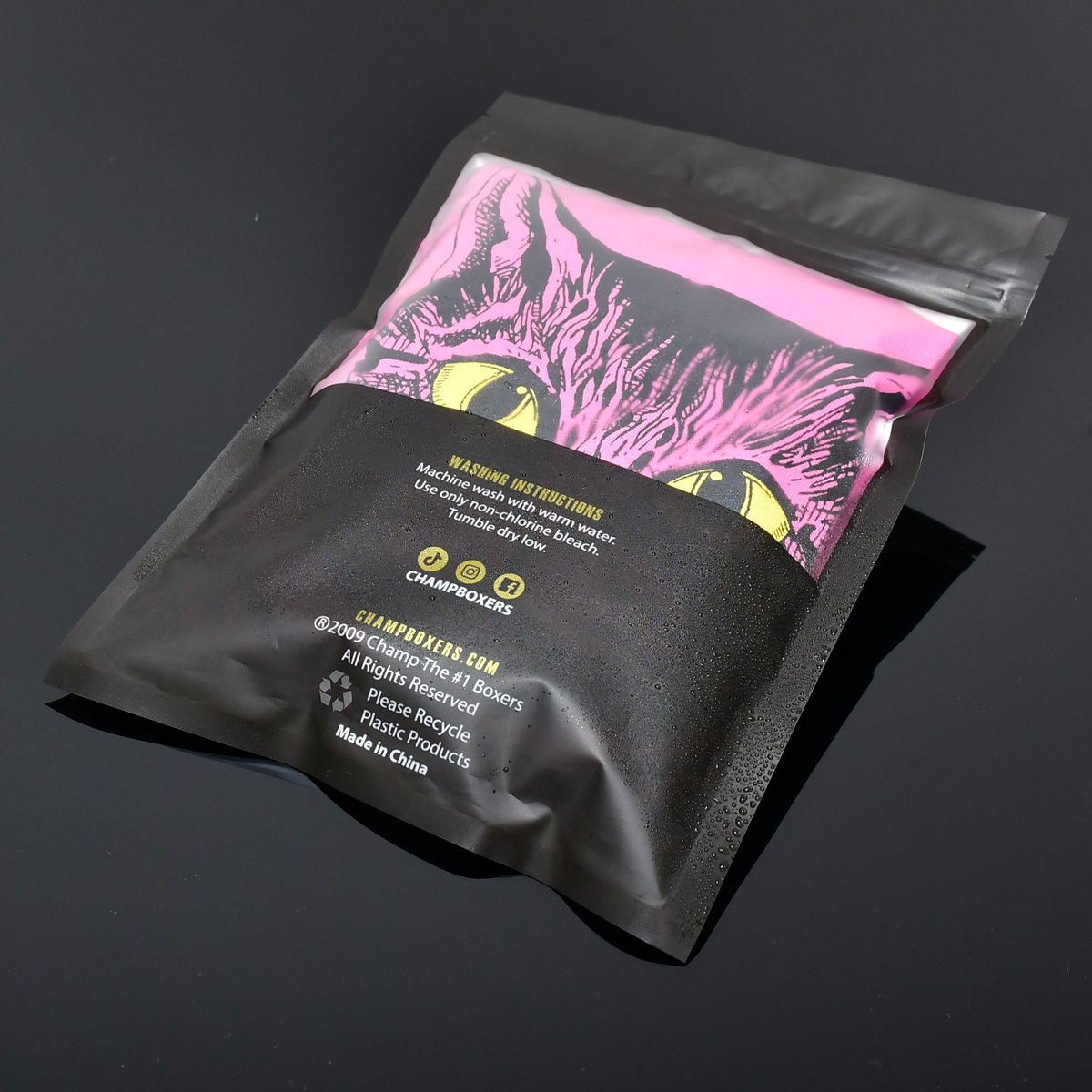
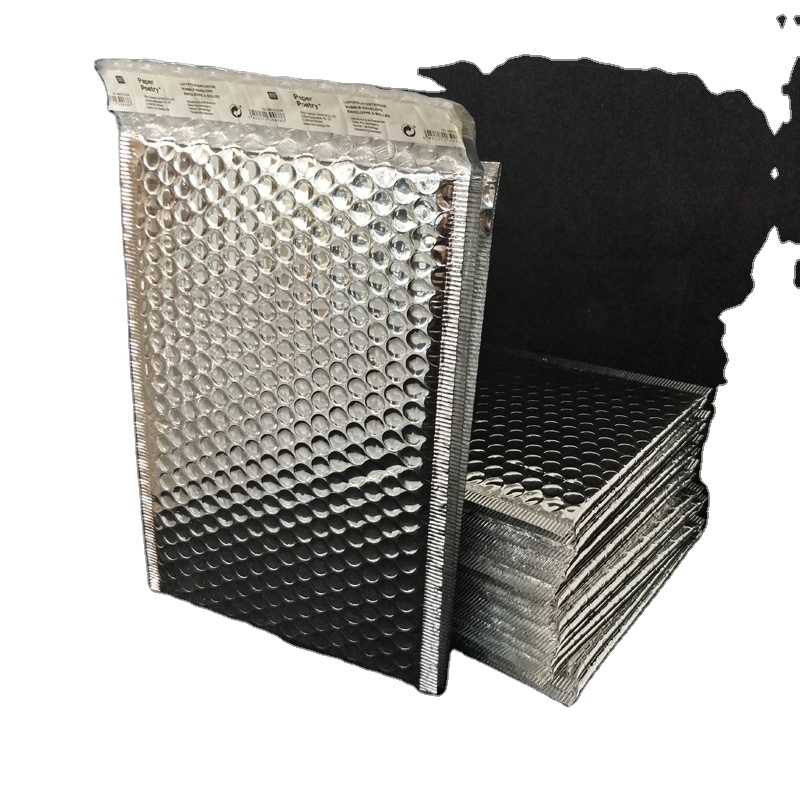
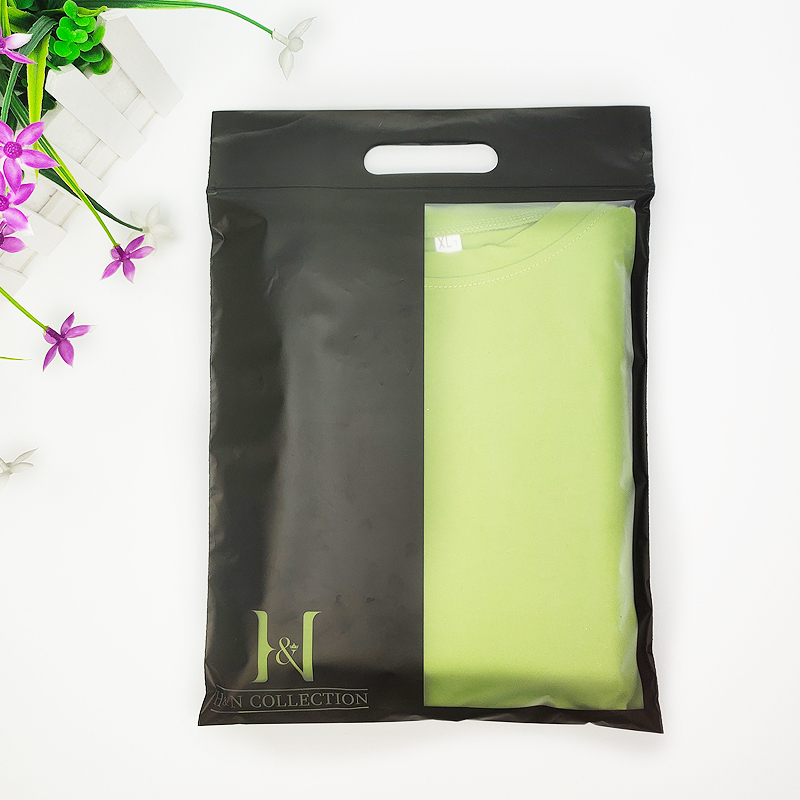
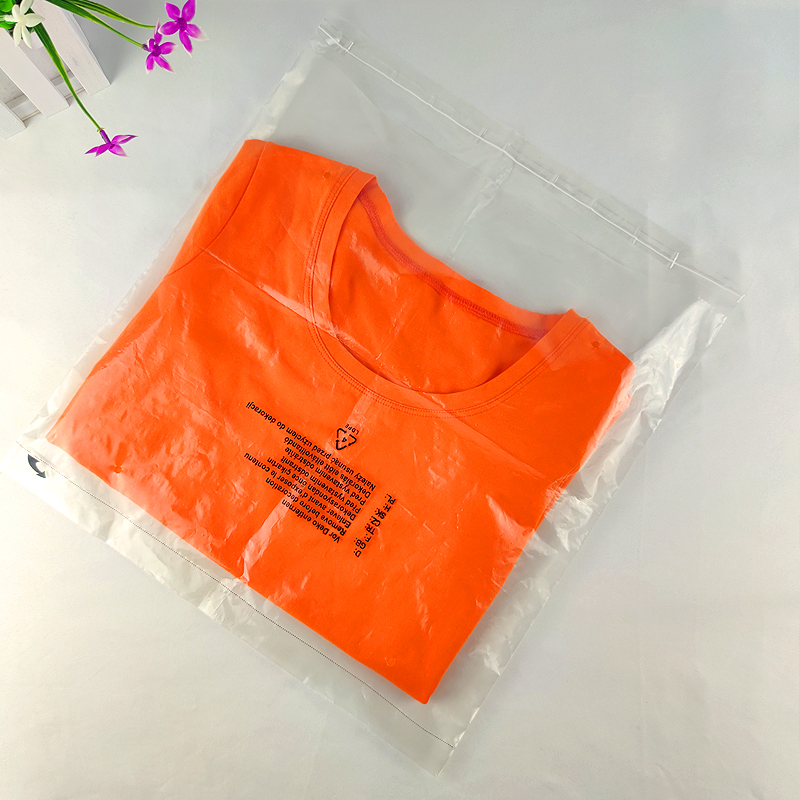
Main bag types: flat bag, self-adhesive bag, bone bag, zipper bag, pillow bag, organ bag, coat hanging bag, shopping bag, hand bag, composite bag, express bag, etc.
The company has passed ISO19001, BSCI, GRS, TUV, SGS and other relevant certification tests. In order to adapt to the development of the market and improve the competitiveness of the industry, the company adheres to the principle of "quality first, customer first", and provides customers at home and abroad with high-quality products and services that meet international requirements.

Plastics also need "sustainable development"
Plastic evolution
Related Article

EU PPWR 2026: A Practical Compliance and Procurement Guide for Apparel, Footwear & Luggage Packaging
Understand multilayer co-extrusion for garment packaging: 3 vs 5 layers, material selection (PE, PA, EVOH), performance benefits, cost considerations, and supplier evaluation.
Multilayer Co-Extrusion in Garment Packaging: A Complete B2B Guide