English
 简体中文
简体中文

Biodegradation Principle Of Ziplock Bag
Author : wing Update Time:July 4, 2024
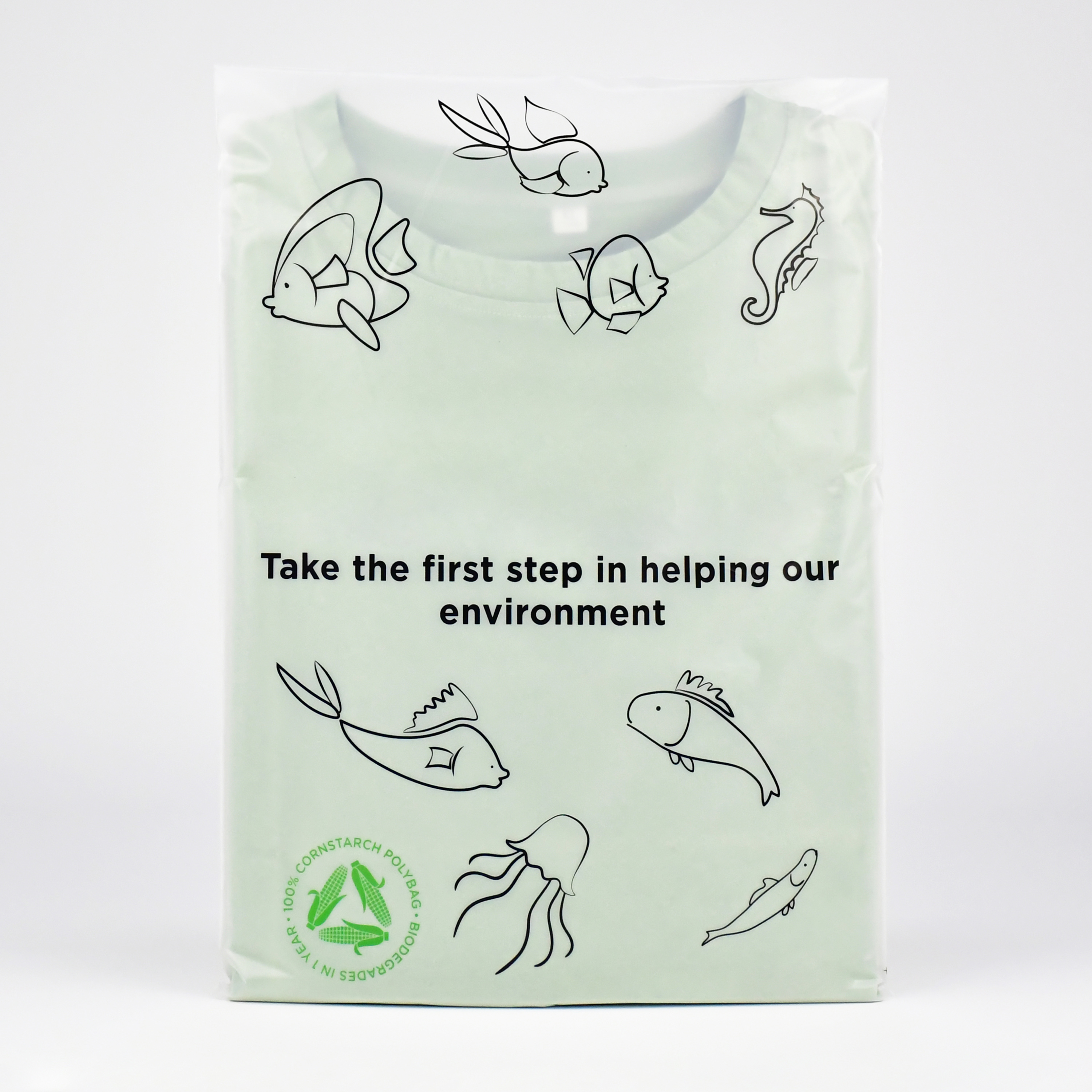
When introducing the principle of biodegradation of ziplock bags, we first need to make it clear that not all ziplock bags are biodegradable, but there are fully biodegradable ziplock bags. The following is a specific description of the biodegradation principle of the fully biodegradable ziplock bag:
1. Material composition
The whole biodegradable zip-lock bag is mainly made of polylactic acid (PLA) and polyadipic acid/butylene terephthalate (PBAT) and other biodegradable raw materials. These raw materials are derived from renewable resources, such as plants such as corn, which are sustainable and environmentally friendly.
2. Biodegradation process
Microbial action:
In the compost environment or natural environment, there are a large number of microorganisms, such as bacteria, fungi and so on. These microorganisms are able to secrete specific enzymes that have a degrading effect on biodegradable materials such as PLA and PBAT.


Enzymatic hydrolysis:
The enzymes secreted by microorganisms can recognize and attach to the molecular chains of PLA and PBAT, and gradually decompose the high-molecular weight polymer into low-molecular weight fragments through biochemical reactions such as hydrolysis.
Degradation products:
After microbial degradation, PLA and PBAT will eventually be broken down into carbon dioxide (CO₂) and water (H₂O). These degradation products are common substances in nature and can be absorbed by biological combined cycle processes without causing pollution to the environment.
3. Degradation time
Fully biodegradable zip-lock bags in a composting environment can usually complete the degradation process within 180 days. This time period is based on actual test and experimental data, ensuring the rapid degradation ability of the zip-lock bag under specific environmental conditions.
4. Summary
The biodegradation principle of the whole biodegradable self-sealing bag mainly depends on the degradability of its material and the degradation of microorganisms. Through the decomposition of biodegradable materials such as PLA and PBAT by enzymes secreted by microorganisms, the zip-lock bag can be completely degraded into harmless substances such as carbon dioxide and water in a relatively short time. This degradation process not only meets environmental requirements, but also helps to reduce the impact of "white pollution" on the environment.
It should be noted that although the full biodegradable ziplock bag has significant environmental advantages, it still needs to pay attention to the correct classification and recycling treatment in the actual use process to ensure that it can fully play the potential of biodegradation.