English
 简体中文
简体中文

In the past half century, the production of plastics has increased more than 20-fold, and they are lightweight and durable, low cost and versatile, and have become a ubiquitous product. Plastic is found in every corner of the world, including the deepest part of the ocean floor, the summit of Mount Everest and the polar ice caps.
Plastic is harmful to the environment because it is difficult to degrade. Is it possible to change the material formula so that it will eventually degrade under certain environmental conditions after waste? Biodegradable plastics are therefore highly sought after and have high hopes. But can biodegradable plastics cure plastic pollution?


"The main premise for promoting the use of bio-based plastics is that food security must be a priority. In addition to the issue of where the raw materials come from, the cost of biodegradable plastics is still higher than that of ordinary plastics. While continuing to innovate biodegradable plastics technology, we should strengthen the recycling of traditional plastics, give full play to their value, and gradually move towards an environmentally friendly sustainable development path." Xu Zhonghua said.
Biodegradable plastics, the End of plastic pollution?
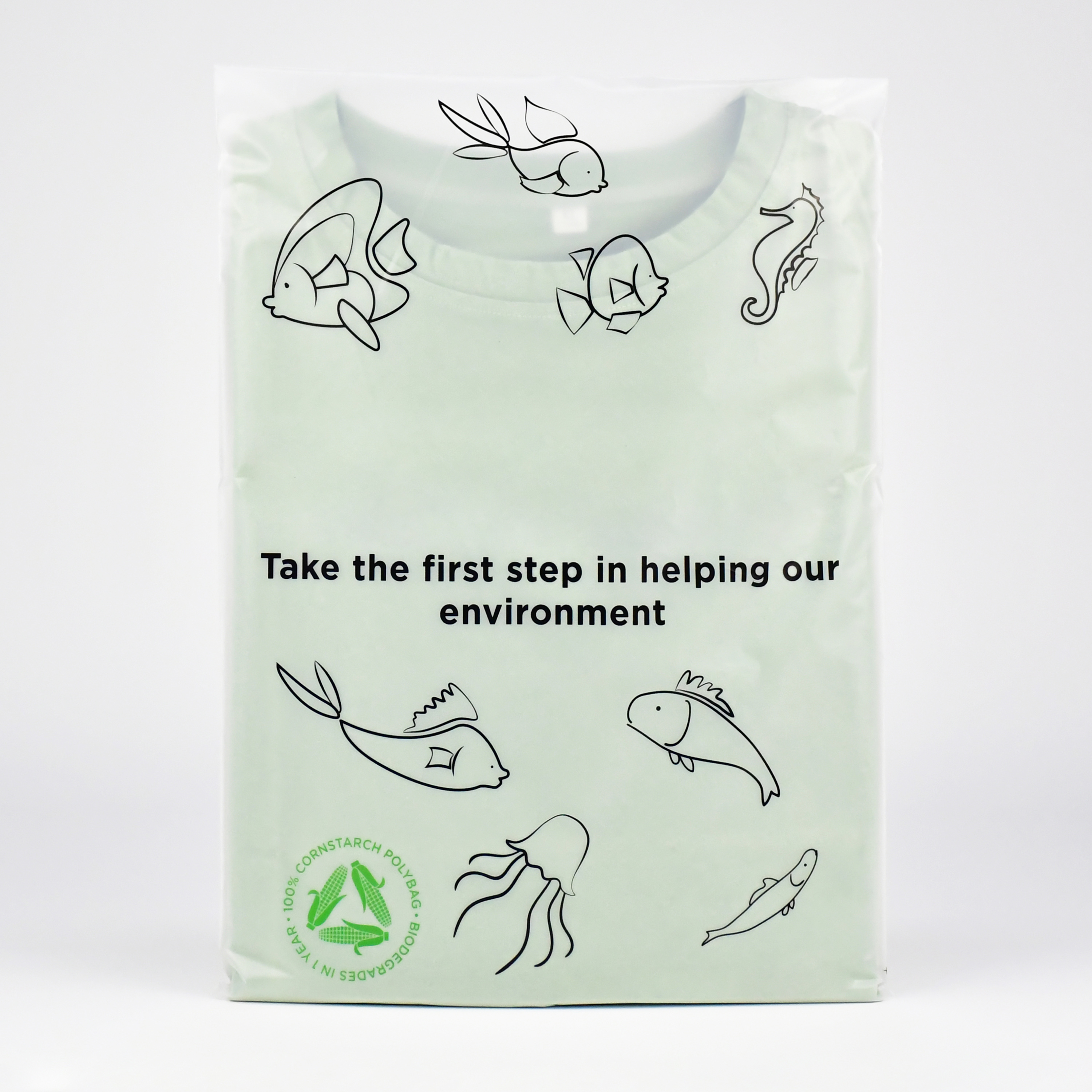
The vast majority of fossil-based plastics cannot be degraded, meaning they can persist in nature for hundreds or even thousands of years. Since the 1980s, scientists have begun to study whether plastics can be degraded and disappeared by microorganisms in an active environment. Polylactic acid (PLA) products derived from crops such as corn are by far the most successful biodegradable plastics. As an all-bio-based material, PLA is fully recyclable and biodegradable. It can be recycled mechanically or chemically, or in some cases, used as a fertilizer by composting.
In addition to its well-known status as a multinational oil and gas giant, Total entered the field of biodegradable bio-based materials and biofuels early on. In 2007, Total and Galactic established Futerro, a joint venture in Belgium, to explore the production of PLA bioplastics from renewable plant resources. In 2018, Total and Dutch partner Corbion launched a PLA plant in Thailand to produce bio-based polymers from non-GMO sugarcane. With an annual capacity of 75,000 tons, the plant is the second largest PLA plant in the world.

Total Thailand's PLA factory uses non-GMO sugarcane as raw material to produce bio-based polymers.
Xu Zhonghua introduced that there are several development directions for biodegradable plastics: in addition to PLA that can completely degrade into carbon dioxide and water under specific conditions, there are destructive biodegradable plastics that promote degradation through additives, and photo-degradable plastics that have photocatalytic agents and other auxiliaries attached to the high molecular chains of traditional plastics.
With the rise of global anti-plastic campaigns, the appearance of "biodegradable plastics" in the market has been mistaken by many as a "savior". When throwing away this plastic, people seem to feel at ease, as they imagine that these plastics will eventually decompose in the environment and will not cause harm. However, it is worth noting that biodegradable plastics also need to be recycled and disposed of in a specific way, and should not be discarded carelessly.
One of the root causes of the plastic dilemma is that people's requirements for materials change throughout the entire life cycle of a plastic product. "During use, the strength, thermal resistance, and moisture resistance of plastics must meet certain conditions. Even biodegradable plastics must be decomposed under specific temperature, humidity, and microbial conditions after disposal, and will not 'disappear' naturally in the environment otherwise. Otherwise, they cannot achieve their intended use functions at room temperature."
Biodegradable plastics based on biological materials are not all-purpose. Xu Zhonghua said that when the Total's PLA plant in Belgium was first established, it also faced many difficulties in promoting its products, and even now, the entire biodegradable plastics industry still faces a series of common challenges. For example, the cost is higher than that of ordinary plastics, and the range of use of bio-based materials has been narrowed down.

"At the current stage, it is more suitable for specific fields related to food and medicine. Perhaps we can develop plastics made from carbon dioxide in the future, which will eventually decompose into gas. But before the technology can break through further, we still have a long way to go before we can fully rely on biodegradable plastics."
China is the world's largest plastic producer and consumer. In 2019, China produced 63 million tons of waste plastic and recycled 18.9 million tons. In recent years, China's plastic pollution control system has been continuously upgraded, from the ban on "foreign garbage" to the new "limit plastic" regulation.
In 2007, China's official first issued the "limit plastic" regulation, the core of which was to ban the production, sale and use of thin plastic shopping bags nationwide from June the following year, and implement a paid use system for plastic shopping bags. The implementation of the "limit plastic" regulation for more than a decade has been controversial. But it cannot be denied that with the rapid rise of e-commerce, express delivery and takeaway industries, the main battlefield of disposable plastic packaging materials has switched, and consumption has increased instead of decreasing. In 2019, 70.8 million parcels were delivered to the whole country every hour. According to an environmental organization, the total length of adhesive tape used by the domestic express industry in 2018 exceeded 39.8 billion meters. These plastic tapes can be wrapped around the earth nearly 1,000 times, while the figure was only 425 times in 2015. 99% of the plastic waste from express delivery will be mixed into household waste and ultimately incinerated or buried.
In early this year, the upgraded "limit on plastic bags" jointly issued by the National Development and Reform Commission and the Ministry of Ecology and Environment set a clear timetable, integrating the policy measures of reducing plastic use and recycling into the entire process and all links of plastic product production, circulation, use, recycling, and disposal.
"Plastic is a friend of human beings, not an enemy. It has provided a lot of support and convenience for the development and progress of human society," Xu Zhonghua said. To achieve efficient recycling of plastic under the limit on plastic bags, the most important thing is for everyone to participate. The management of waste plastic is not only the responsibility of manufacturers, scientists, or plastic product users. The public doing a good job of waste classification can greatly reduce the challenges in the plastic recycling process.
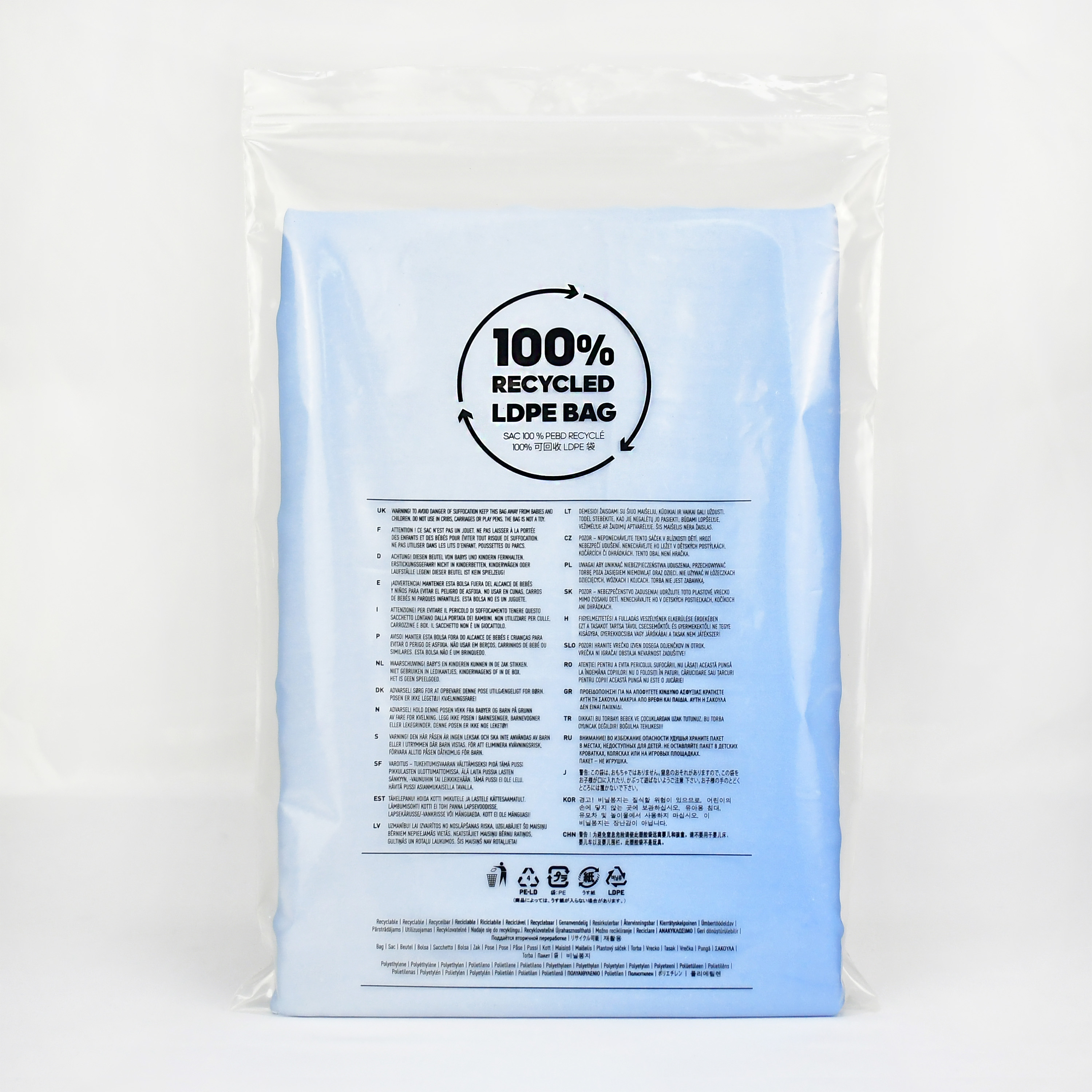
In February 2019, Total acquired Synova, a French plastic recycling company. By combining its expertise in polymer technology with Synova's recycling expertise, Total increased the supply of recycled polypropylene for automotive applications. Synova can produce 20,000 tons of polypropylene per year by recycling plastic. Another important reason for limiting plastic use is to save the oceans. Each year, more than 8 million tons of plastic waste flows into the ocean globally.

According to the 2019 China Marine Ecological Environment Status Bulletin issued by the Ministry of Ecology and Environment, through monitoring of marine litter in 49 regions across the country, as well as monitoring of 15 points along the nearshore sections of the Bohai Sea and East China Sea, it was found that the proportion of plastic-type litter in floating debris on the sea surface and beach litter was 84.1% and 81.7%, respectively; the proportion of plastic-type litter in subsea debris was the highest, at 92.6%, mainly consisting of fishing ropes, plastic ropes, plastic fragments, and plastic bags.
In addition, the density of microplastics floating on the sea surface in the monitoring sections of the Bohai Sea and East China Sea was 0.82 per cubic meter and 0.25 per cubic meter, respectively, mainly consisting of lines, fibers, and fragments, with the main components being polyethylene, polyethylene terephthalate, and polypropylene. Microplastics refer to the countless fragments and particles of plastic waste that have dissolved in the sea water, as well as the plastic microbeads added to personal care and cosmetic products.
Globally, according to the "Ocean Atlas" published by the Heinrich Boll Foundation in Germany, only 20% of the marine plastic waste comes from the ocean (mainly from ships), while the remaining 80% comes from land. Large floating plastic groups have formed in the Pacific and Atlantic, with areas larger than some countries. For larger pieces of marine plastic, the current main method is still salvage, but the salvage process will generate new pollution. The invisible pollution is more deadly. Marine microplastics that adsorb heavy metals or other organic pollutants may pass through the food chain and enter the human body. Xu Zhonghua called on people to pay attention to the fact that marine microplastic pollution, in a sense, is like the novel coronavirus. It drifts with ocean currents and occurs in one place, but the harm will not only stay in one place, but is a global crisis. "Global cooperation is needed for marine microplastic governance."
It is reported that Total is one of the founding members of the Alliance to Eliminate Plastic Waste, an alliance with nearly 30 industry members across the entire plastic value chain. The alliance has committed to investing $1.5 billion to develop solutions to reduce plastic pollution in the environment, especially in the ocean.