English
 简体中文
简体中文





| Material | Shelf Life | Degradation Time | Degradation Mode | Products After Degradation |
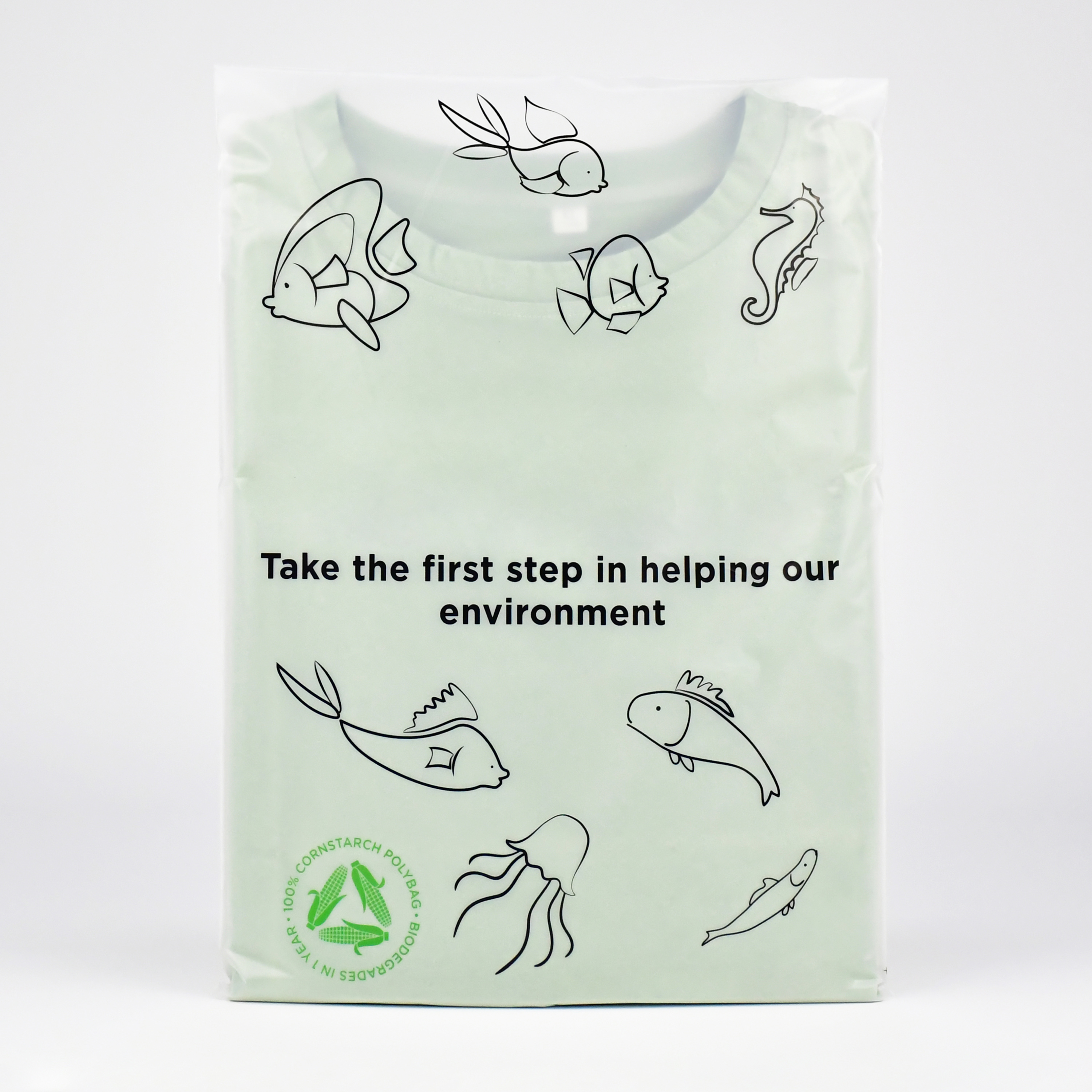
| PLA+PBAT+Corn Starch | 10-15 months | 4-6 months in the soil | Home/dust composted | H2O+CO2 ( degradation ) |
| LDPE/HDPE/CPE+D2W | 18-24 months | Decay after 18 months Become plastic pellets in 24 months | OXO-Biodegradable plastic | H2O+CO2+Plastic particles |
| LDPE/HDPE/CPE+EPI | ||||
| LDPE/HDPE/CPE+BDP | No time limit | 1-5 years under anaerobic conditions | Under anaerobic conditions | CO2 methane and biomass |
| LDPE/HDPE/CPE+ECO | ||||
| Green PE | Non -degradable | Reduce CO2 content in the air | 100% recycle | Green polyethylene |
| GRS PE | Non -degradable | Recycle | Global recycling standards | Recycle |
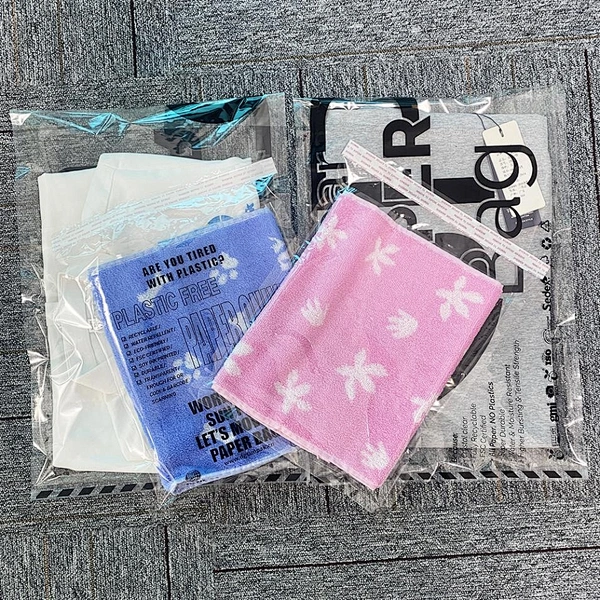
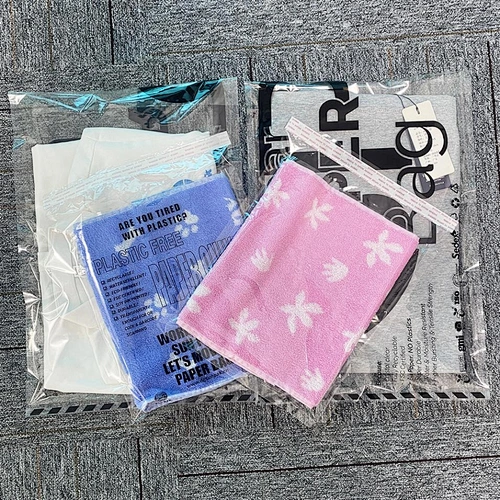
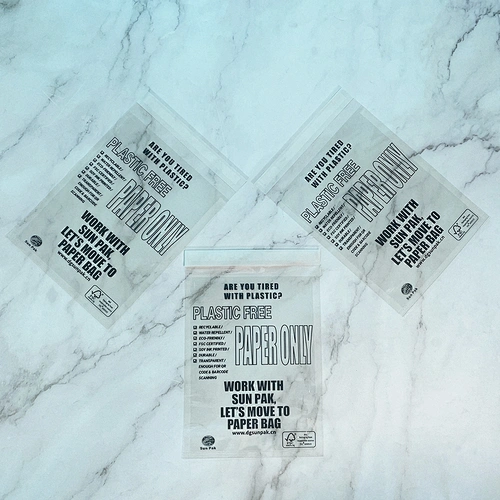
Cellulose Film Cellulose Film Transparent Paper Bag Changing Lives
transparent cellulose film cellulose film cellulose film packaging biodegradable cellulose film cellophane cellulose regenerated cellulose film transparent cellulose film
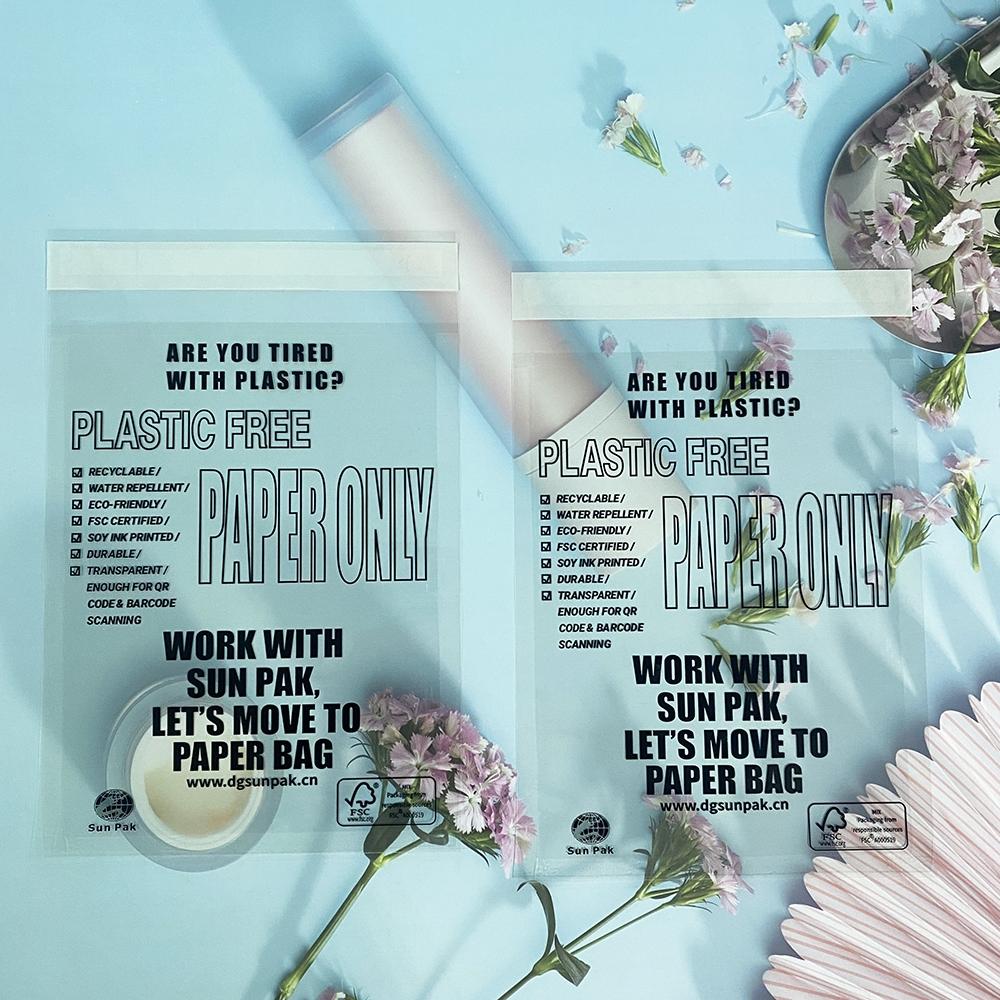
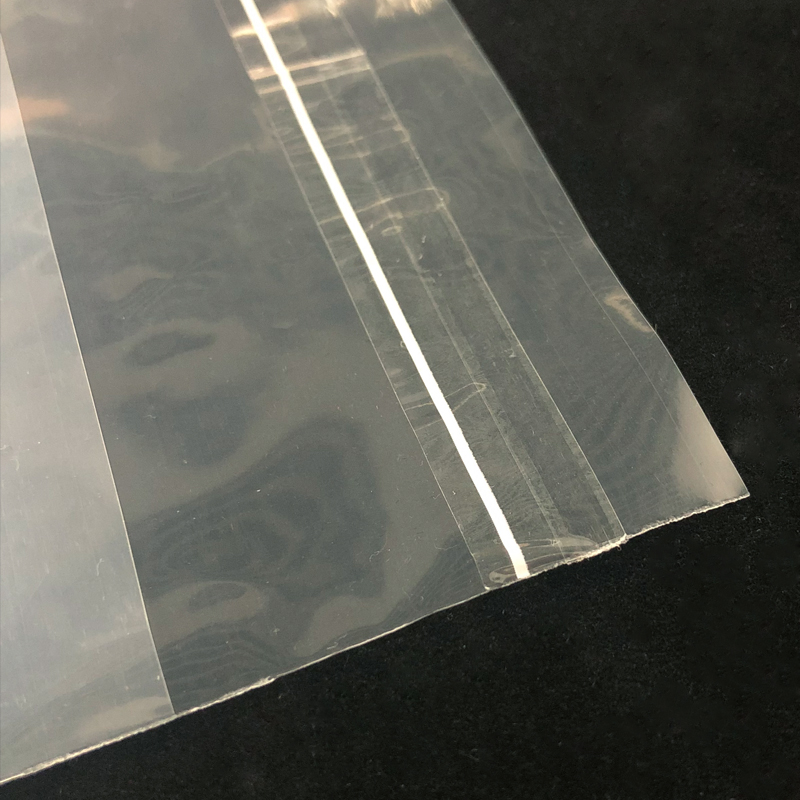
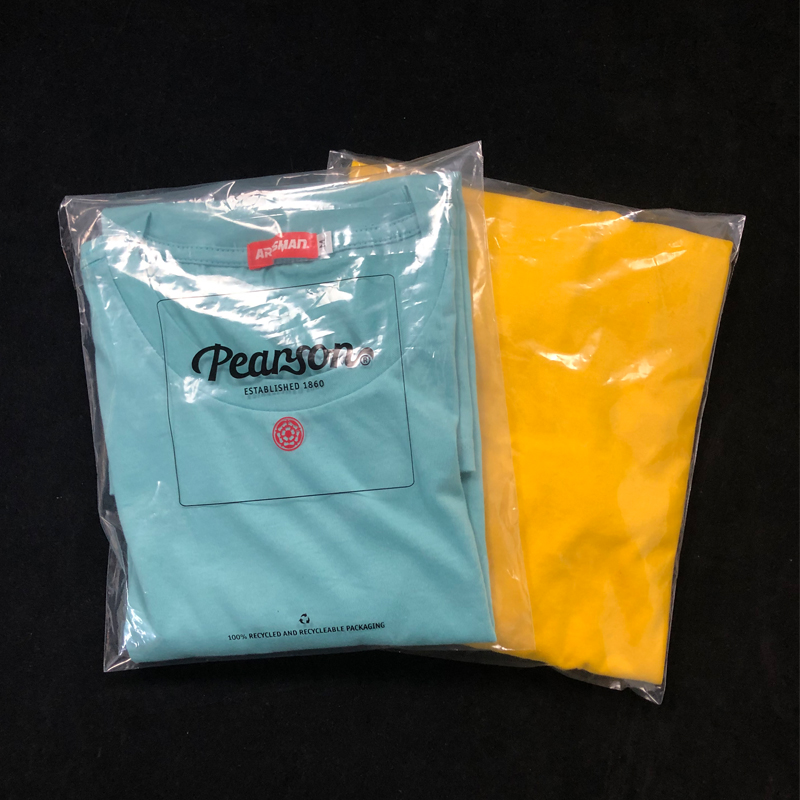
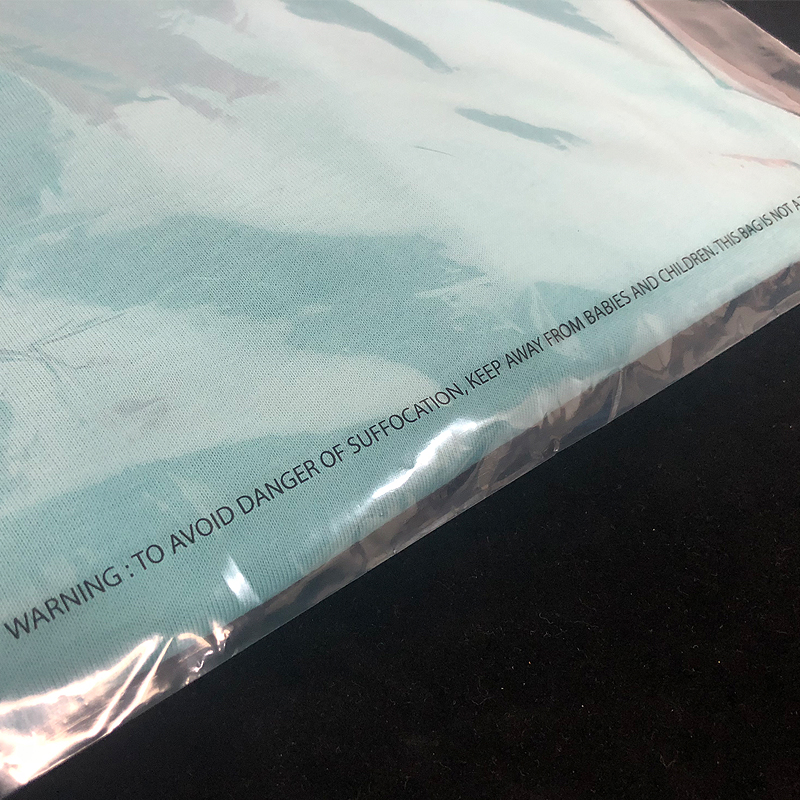
Discovered in 1833, cellulose is a substance that resides within the cell walls of plants. It consists of long-chain glucose molecules, making it a polysaccharide. When the hydrogen bonds of several cellulose chains join together, they form a substance called microfibril, which is very inflexible and tough. The rigidity of these microfibers makes cellulose a new excellent environmental protection product in the production of packaging bags. |
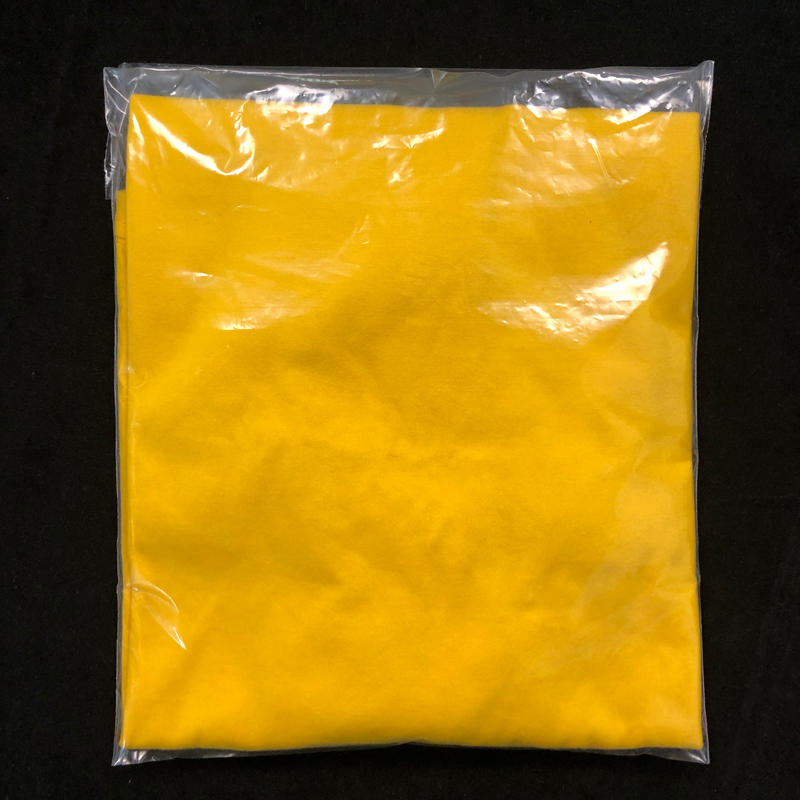
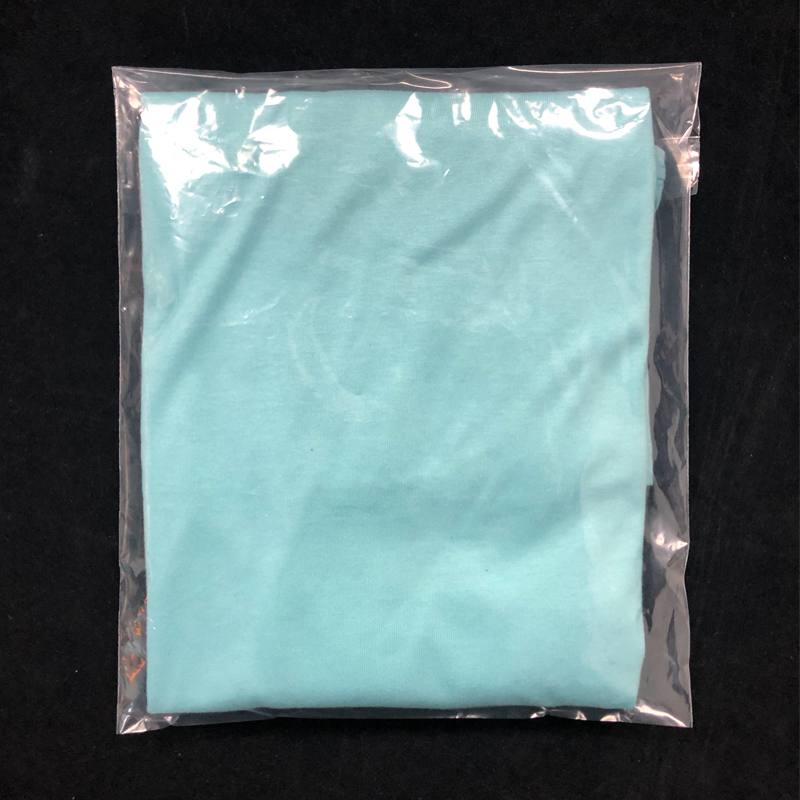
Our company's main products: flat bags, T-shirt bags, handbags, mailing bags, die-cut shopping bags, garbage bags, clip-sealed bags,plastic zip bag, self-adhesive bags, self-sealing bags, anti-static bags slider bags,plastic bags ,biodegradable plastic bags,ziplock bags,friendly bags and other industrial packaging.
Cellophane is made from cellulose derived from cotton, wood or other sustainably harvested natural sources. It is originally a white dissolved pulp with a cellulose content of 92-98%. The protocellulose pulp is then converted into cellophane in the following four steps.
1. The cellulose is dissolved in alkali (alkaline ionic salts of alkali metal chemicals) and aged for a few days, this dissolution process is called mercerization.
2. Carbon disulfide is applied to mercerized pulp to form a solution called cellulose xanthate or viscose.
3. Add the solution to a mixture of sodium sulfate and dilute sulfuric acid, which will turn the solution back into cellulose.
4. The cellulose membrane is washed three more times. The sulfur is first removed, then the film is bleached, and finally glycerin is added to improve durability.
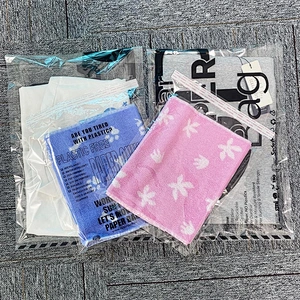
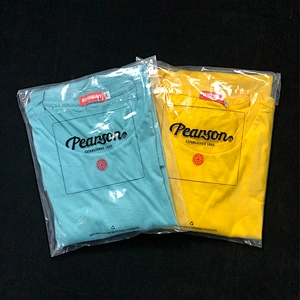
The end result is biodegradable cellophane, which is used in the packaging industry such as clothing, toys, electronics, home, gifts, greeting cards, and food.